


Today is National Food Bank Day. The day we honor food banks and all the great work they do helping communities. A food bank is a non-profit hunger relief charity that collects and distributes food to those in need. There are roughly 200 food banks in operation in the US that feed 4.2 million Americans. The first ever in the world was called St. Mary’s Food Bank (still open to this date). It was established in the United States in 1967. The concept went global in the 80s. Today, they play a pivotal role in our food supply system. Many people donate their uneaten food to these places to help others, but not all donations can be given out. Here are some tips you need to remember when donating items to them.
Expiration Dates

Some food banks take in all food, whether expired or not, but there are some strict rules they need to follow. The first thing they check is the packaging. If it is damaged or opened, then most likely won’t risk it. Perishable items like milk would be rejected if expired. If it appears moldy or rotten, then no. Anything that if expired would risk a person’s health like expired medicine or baby formula is a no-go. Most, however, won’t take it at all because they don’t want to take that chance. If you have expired goods that look great, call the food bank you plan to drop them off at and ask ahead. If it is a food bank that doesn’t take expired products, then they will throw it away.
More than Food

Despite the name, food banks do take in other things that are useful to those in need. They can take in cleaning products such as detergent, dish soap, all-purpose cleaning spray. Toiletries such as soap, shampoo, and toilet paper. Feminine hygiene products are sought after regularly. Also, baby supplies for struggling parents. Some low-income people have service animals that need food. My local food bank gives out children's books to families with kids. Some might even have a free closet for coats and clothing items. Almost all food banks have a wish list on hand, so if you have something you want to donate to them, you can call and ask if they would take it.
Rejectables

Despite your best wishes, there are things that food banks won’t accept. Anything that comes in a glass jar because it puts people at risk of getting cut if it breaks in transport. Bulk bags of rice, sugar, and flour won’t be accepted because they have no way of distributing it evenly among people. Some food banks will deny items that contain sugar like candy. You might think it is sweet to bake a huge batch of cookies, brownies, or loaves of bread, but this will make you sour when it is rejected for safety. This rule also applies to leftovers. If the item requires special equipment to eat it, then no. This also applies to their most popular donated items, cans. Unless you are donating a can opener stick to pull tab ones.
Cash Instead Of Cans

All food banks need money to maintain operations. By donating money to the food bank, it will allow them to purchase items they desperately need. This also gives them room to branch out to other areas, like a clothing closet or a baby supply room. Local farms often offer them steep discounts on fresh produce. By giving cash, they can reach out to wholesalers and get more goods at a cheaper rate than you could at your local grocery store. They have utilities like everyone else and still need to pay those bills. If bringing food in from a food drive, they’ll need to pay for fuel and a truck driver. If something breaks, it’ll need to be repaired. Being a charity, cash donations are tax write-offs.
Donating Yourself
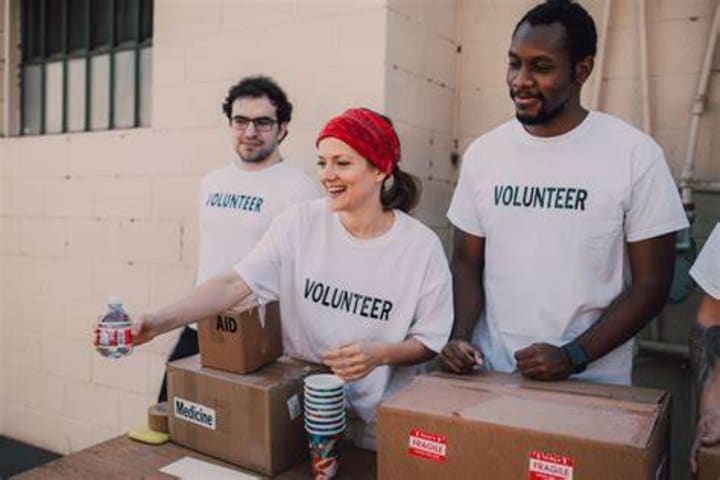
Even if you have nothing to spare, you can still donate to your local food bank. Food banks run on volunteers to handle, package, and distribute the goods to others. Volunteering is very beneficial to your self-esteem, making you feel better about helping others in your community. It is a rewarding way to help communities grow. By volunteering, you can learn new skills that could lead down more promising career paths like forklift driving. Food banks are great for the environment as they cut down on food waste and increase sustainability. It can also help with your mental health by reducing stress and raising your dopamine levels. Knowing you helped others at the end of the day is no greater feeling in the world.
About the Creator
M.L. Lewis
Welcome to my little slice of pie. This blog will primarily focus on prepping and homesteading skills with a sprinkle of fiction every now and then.
Keep reading
More stories from M.L. Lewis and writers in Feast and other communities.
Sales For Filet-O-Fish Sandwiches Are On The Rise At McDonald's During Lent
During the Lenten season, McDonald’s restaurants worldwide are seeing a familiar seasonal shift. Even though the Filet-O-Fish sandwich is on the menu year-round, managers say they sell more during Lent when people eat fish, especially on Fridays.
By Margaret Minnicks6 days ago in Feast
Astragalus: An Ornamental, Supportive, and Culinary Herb
Astragalus Root/Milkvetch Astragalus is a popular remedy for various ailments today. Commonly found in health food stores and herbal shops in the form of tinctures, grounded encapsulated powders, or as part of an herbal infusion, or sometimes added to teas, astragalus usually makes the list for its purported immune-system and energy-supporting benefits.
By J. Chaunceyabout 19 hours ago in Feast
Pearl
1980 something. we all hung out at Pearl and you and i were nothing special, or so i thought. i mean we all danced, drenched in our own sweat, our own saline solution of fear, too many beers, shots, laughter, tears, fucks in the bathroom and i don't know when we began to be afraid. do you?
By ROCK aka Andrea Polla (Simmons)3 days ago in Fiction


Comments
There are no comments for this story
Be the first to respond and start the conversation.