
Decoding Food Labels: How to Make Informed Choices for a Healthier You
Unveiling the Secrets of Food Labels: Empowering You to Make Healthier Choices
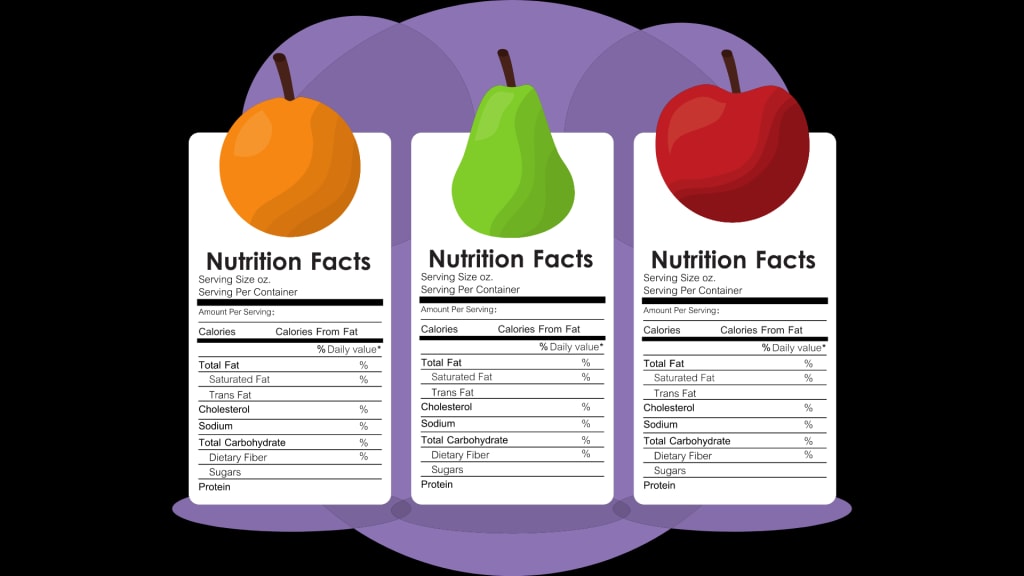
In today's bustling world, it can be challenging to make healthy food choices. With countless options lining the shelves of grocery stores, it's essential to equip yourself with the knowledge to navigate through the maze of food labels. Understanding how to decode food labels empowers you to make informed decisions about what you consume, leading to a healthier and happier you. So, let's delve into the world of food labels and discover the key information you need to know.
Serving Size: The first step in deciphering a food label is to check the serving size. This information tells you the recommended portion size for the product. Pay attention to serving sizes, as the nutritional values listed on the label are based on these serving sizes.
Calories: The calorie count indicates the amount of energy you will obtain from consuming the specified serving size. Be mindful of your daily calorie intake and consider how the product fits into your overall dietary goals.
Nutrients: Food labels list various nutrients, including fats, carbohydrates, proteins, vitamins, and minerals. Pay attention to the types and quantities of these nutrients. Aim to consume foods that are rich in beneficial nutrients and lower in harmful ones, such as trans fats or added sugars.
Ingredient List: The ingredient list provides valuable insight into what the product contains. Ingredients are listed in descending order by weight, meaning the first ingredient is present in the largest amount. Look out for hidden sugars, artificial additives, and preservatives. Choose products with recognizable, whole-food ingredients.
Added Sugars: Excessive sugar consumption has been linked to various health issues. Be cautious of products with high amounts of added sugars. Check the ingredient list for alternative names of sugar, such as corn syrup, dextrose, or sucrose. Opt for products with little to no added sugars or choose natural sweeteners like honey or maple syrup.
Sodium: Excess sodium intake can contribute to high blood pressure and other health concerns. Keep an eye on the sodium content of processed foods, as they tend to be higher in sodium. Aim for products with lower sodium levels or opt for fresh and minimally processed alternatives.
Fiber: Adequate fiber intake is essential for a healthy digestive system and can help maintain a feeling of fullness. Look for products that are rich in dietary fiber to support overall wellness. Whole grains, fruits, and vegetables are excellent sources of fiber.
Allergens: If you have food allergies or sensitivities, carefully review the label for any allergens that may be present. Common allergens like nuts, gluten, dairy, or soy are typically highlighted on the label to ensure consumer awareness.
Organic and Non-GMO: If you prefer organic or non-GMO products, look for specific labels or certifications indicating these attributes. Organic products are produced without synthetic pesticides or fertilizers, while non-GMO products are free from genetically modified organisms.
Be Mindful of Marketing Claims: Food labels often feature marketing claims such as "low fat," "gluten-free," or "natural." While these claims can be helpful, it's essential to examine the entire label and ingredient list to ensure the product aligns with your health goals.
Decoding food labels is an empowering skill that allows you to take control of your dietary choices. By understanding the information provided, you can make conscious decisions to support your health and well-being. Here are some additional tips to help you make informed choices:
Emphasize Whole Foods: Whenever possible, prioritize whole, unprocessed foods. Fresh fruits and vegetables, lean proteins, whole grains, and healthy fats should form the foundation of your diet.
Cook at Home: Prepare meals at home using fresh ingredients. This way you have full control over the ingredients and can make healthier choices. Experiment with different recipes and flavors to create delicious and nutritious meals.
Plan Ahead: Take some time to plan your meals and snacks for the week. This can help you avoid impulsive food purchases and opt for healthier options. Prepare meals in advance or pack nutritious snacks to have on hand when hunger strikes.
Read Beyond the Label: While food labels provide valuable information, they don't tell the whole story. Educate yourself about nutrition and learn to recognize nutritious foods by their natural state. Fresh fruits, vegetables, and lean proteins are generally healthier options compared to heavily processed and packaged foods.
Listen to Your Body: Pay attention to how different foods make you feel. Notice if certain ingredients or additives affect your energy levels, digestion, or overall well-being. Your body knows best, so listen to its signals and adjust your food choices accordingly.
Seek Expert Advice: If you have specific dietary concerns or health conditions, consult with a registered dietitian or nutritionist. They can provide personalized guidance and help you develop a nutrition plan that suits your individual needs.
Practice Mindful Eating: Slow down and savor your meals. Engage your senses by noticing the colors, textures, and flavors of the food you eat. Chew slowly and pay attention to your body's hunger and fullness cues. This mindful approach to eating can enhance your enjoyment of food and promote healthier habits.
Remember, making informed choices about your food goes beyond reading labels. It's about developing a balanced and sustainable approach to nutrition. Strive for variety, moderation, and a focus on whole, nutrient-dense foods. Celebrate the nourishing power of food and the positive impact it can have on your health and well-being.
By decoding food labels and incorporating healthier choices into your diet, you can take significant steps towards a healthier you. Empower yourself with knowledge, embrace a balanced approach to eating, and enjoy the journey to optimal well-being. Your body and mind will thank you for it!
About the Creator
Keep reading
More stories from Carmen Galloway and writers in Feast and other communities.
Healthy Snacking Made Easy: 15 Quick and Nutritious On-the-Go Options
In today's fast-paced world, finding healthy snacks that are both convenient and nourishing can feel like a challenge. It's all too easy to reach for processed snacks that are high in sugar, unhealthy fats, and empty calories. But fear not! With a little planning and creativity, you can enjoy delicious and wholesome snacks that will keep you energized throughout the day. In this article, we present you with 15 quick and nutritious on-the-go options to make healthy snacking a breeze. Get ready to discover new flavors, satisfy your cravings, and fuel your body with these inspiring snack ideas.
By Carmen Galloway3 years ago in Feast
The food business is undergoing a transformation thanks to gene-edited fungus, which is being considered as a beef substitute.
Compared to the strain now in use, a gene-edited fungus has created meat-like protein that grows more quickly and uses a lot less sugar. These improvements bring one of the earliest meat alternatives in the world closer to competing with animals in terms of scale and efficiency.
By Francis Dami3 days ago in Feast




Comments
There are no comments for this story
Be the first to respond and start the conversation.