
Cultural Shifts and Digital Influencers: The Power of the Online Voice
How Social Media Influencers Are Reshaping Global Culture, Trends, and Identity in the Digital Age
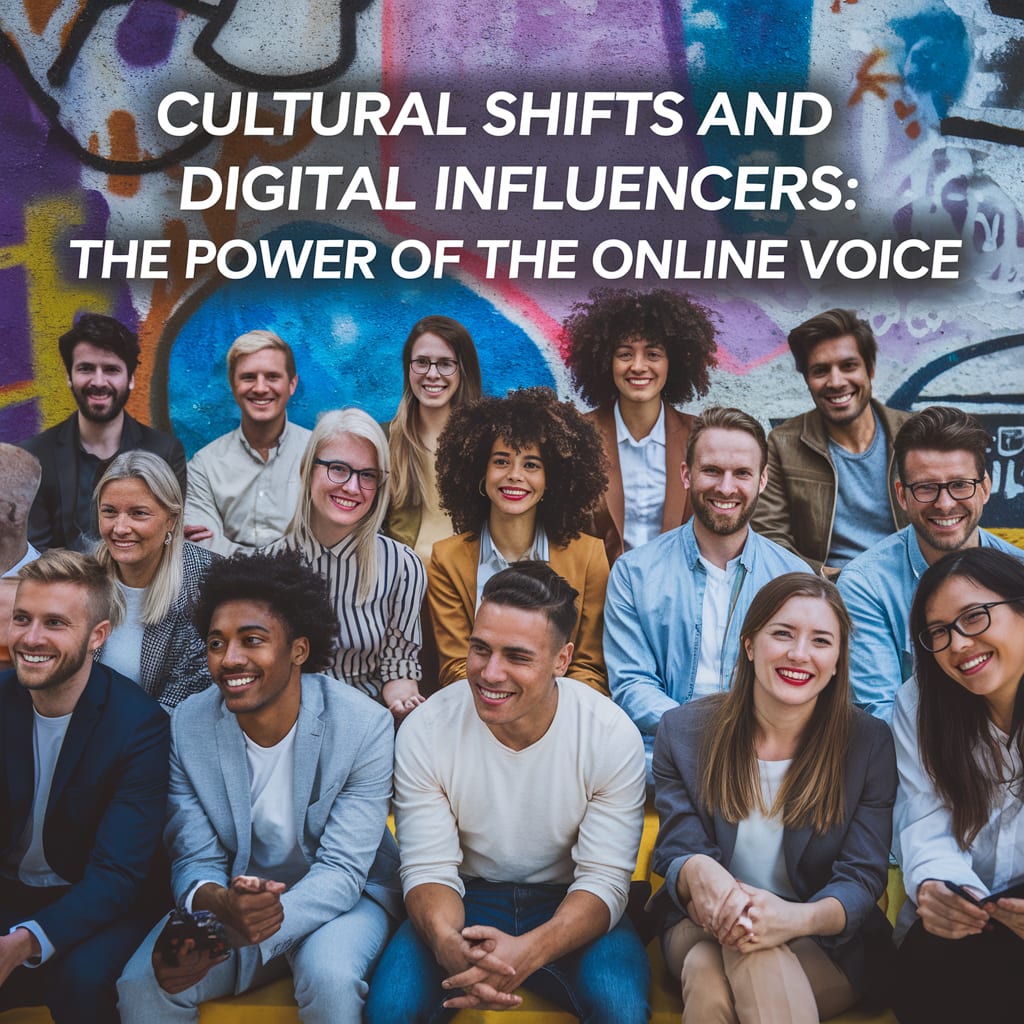
The digital revolution has transformed almost every aspect of human life, from how we communicate to how we work, shop, and entertain ourselves. One of the most fascinating and impactful developments in recent years has been the rise of digital influencers—individuals who have built large followings online and wield significant cultural, social, and even political influence. These digital personalities are at the heart of major cultural shifts, redefining how people relate to fame, fashion, values, identity, and even truth.
Digital influencers, often found on platforms like Instagram, YouTube, TikTok, and X (formerly Twitter), have created a new kind of celebrity—one that doesn’t require traditional media, movie roles, or music hits. With just a smartphone and internet connection, influencers can build a global audience and shape public opinion on a scale that rivals mainstream celebrities, brands, and even politicians.
From Celebrities to Everyday Stars
What makes digital influencers unique is their accessibility and authenticity—or at least the appearance of it. Unlike traditional celebrities, influencers often appear more relatable and interactive. They respond to comments, share personal stories, and create content from their bedrooms or kitchens, not TV studios. This intimacy builds trust and fosters parasocial relationships, where followers feel a deep emotional connection to someone they’ve never met.
This shift has given rise to “micro-influencers” and “nano-influencers”—everyday individuals with smaller, niche audiences who are seen as credible and trustworthy. Their influence may be limited in scale but is often deeper in impact, especially in tight-knit communities.
Cultural Shifts Fueled by Influencers
Influencers don’t just sell products—they sell lifestyles, values, and identities. From beauty standards to political activism, they are shaping how people think, feel, and behave.
Changing Beauty and Fashion Norms:
Influencers have disrupted traditional fashion industries. Rather than relying on magazines or runways, people now turn to influencers for style inspiration. Diversity in body types, skin tones, and gender representation is more visible, driven by voices that challenge narrow beauty standards.
Redefining Work and Success:
The influencer economy has created new career paths and changed how success is measured. Young people today are inspired by YouTubers, Twitch streamers, and TikTok creators. The idea that one can build a brand and career independently online reflects a shift in values toward personal freedom, creativity, and entrepreneurship.
Driving Social and Political Movements:
Influencers have also become powerful voices in activism. From climate change to racial justice and mental health awareness, digital creators can mobilize large audiences for social change. Movements like #BlackLivesMatter and #MeToo were amplified by influencers who helped spark global conversations.
Consumer Behavior and Marketing:
Brands have adapted to the influencer era by shifting advertising dollars to influencer partnerships. Influencers can generate massive sales through product reviews, tutorials, and affiliate marketing. Their recommendations often carry more weight than traditional ads because they feel organic and personal.
The Double-Edged Sword of Influence
While influencers bring fresh voices and perspectives, their growing power comes with risks.
Misinformation and Fake News:
With little editorial oversight, influencers can unintentionally or deliberately spread false information. Health, politics, and science are especially vulnerable to misrepresentation in influencer-driven content.
Toxic Culture and Pressure:
The pressure to appear perfect online can harm both creators and followers. Unrealistic beauty standards, curated lifestyles, and constant comparisons can lead to anxiety, depression, and low self-esteem, especially among teenagers.
Commercialization of Authenticity:
As influencer marketing grows, it can blur the line between genuine opinion and paid promotion. When everything becomes content and every post has a price, audiences may struggle to know what is real and what is sponsored.
Regulation and Responsibility
Governments and platforms are beginning to address these challenges. Disclosure laws now require influencers to tag sponsored content, and some countries are introducing influencer licensing and ethics codes. At the same time, platforms like Instagram and YouTube are improving algorithms and tools to filter out harmful or misleading content.
Influencers themselves are also taking more responsibility. Many now openly discuss mental health, body image, and digital detoxes. A new wave of "slow influencers" and "ethical influencers" are promoting transparency, sustainability, and intentional living—further reflecting cultural shifts.
Conclusion
Digital influencers are more than trendsetters—they are cultural architects in a world increasingly shaped by social media. They reflect our evolving values and push boundaries in fashion, activism, communication, and identity. As with any powerful force, they must be approached with both appreciation and caution. In an era where followers equal influence, understanding how digital personalities shape culture is essential—not just for marketers and media, but for society as a whole.
As the digital landscape continues to evolve, so too will the role of influencers. The challenge lies in leveraging their power for good—promoting authenticity, equity, and responsible influence in a world that never stops scrolling.
About the Creator
Keep reading
More stories from Anwar Jamil and writers in Feast and other communities.
Education and Future Skills: Preparing for a Changing World
In a world shaped by rapid technological advancements, shifting job markets, and global interconnectivity, education is no longer just about memorizing facts and passing exams. It has become a critical tool for preparing young minds to face an uncertain but opportunity-filled future. As automation, artificial intelligence (AI), and globalization reshape the nature of work and life, the education system must evolve to focus not just on knowledge, but on future-ready skills that promote adaptability, innovation, and lifelong learning.
By Anwar Jamil7 months ago in Education
Cricket powder cinnamon banana bread
I lived in Mexico for some years, many Moons ago, twice. It was there when I saw for the first time fried crispy crickets (known as chapulines in Mexico) tacos seasoned with lime, garlic, salt, and chile. Cricket tacos are a traditional delicacy which is especially popular in the Oaxaca region of Mexico. You can find them as a street food optionat outdoor markets in Mexico (look for chapulines) or at speciality restauants in the U.S. (just make sure the crickets are for human consumption).
By Susan Fourtané 25 days ago in Feast
Food Processing Automation Market Size and Forecast, 2025–2033
Introduction The global food industry is undergoing a historic transformation as automation reshapes how food is processed, packaged, and distributed. Rising consumer demand for processed and ready-to-eat products, strict food safety regulations, labor shortages, and the push for operational efficiency are accelerating the adoption of automated technologies across the value chain.
By Marthan Sir5 days ago in Feast
A Failed Artist, A Disillusioned Poet, An Underpaid Game Show Host
I took my son and niece to Gori, a small town in Georgia where Joseph Stalin was born. They talked me into visiting the Stalin's Museum, the largest in the post-Soviet space. I had resisted going there because I just can't stand the monster and know enough about him, or so I thought.
By Lana V Lynx6 days ago in FYI


Comments
There are no comments for this story
Be the first to respond and start the conversation.