
China Snacks Market Trends & Summary
A Rapidly Transforming Industry Driven by Urbanization, E-Commerce, and Health-Conscious Consumers

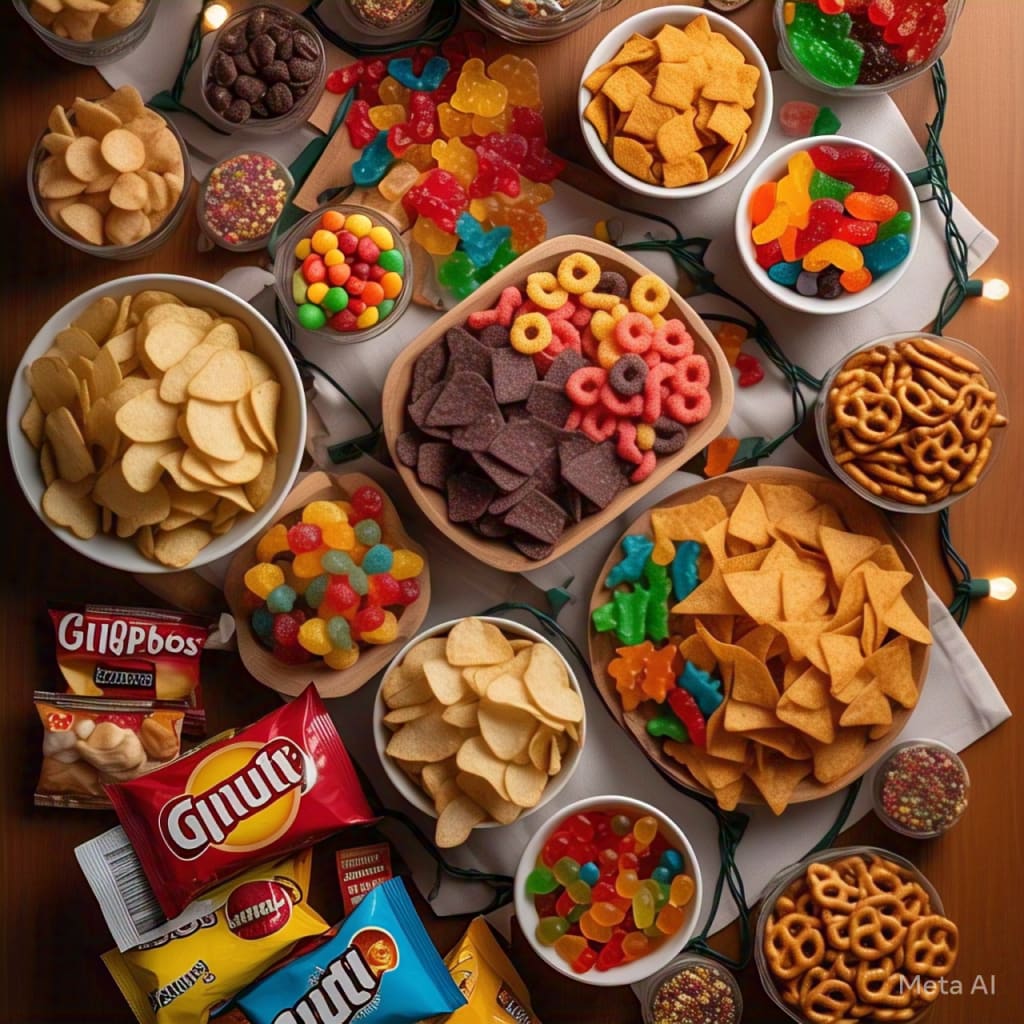
China’s snacks market is undergoing one of the most significant transformations in the global food and beverage industry. According to Renub Research, the China snacks food market is projected to reach approximately US$ 206.20 Billion by 2033, rising from US$ 131.10 Billion in 2024, reflecting a CAGR of 5.16% during 2025–2033. This steady expansion is powered by a dynamic blend of rising incomes, shifting lifestyles, digital commerce innovation, and evolving consumer preferences for convenient, premium, and healthier snack offerings.
As China continues to modernize, snack consumption is no longer limited to occasional indulgence. It has become a daily essential for busy professionals, students, and families who prioritize convenience and variety. From traditional Chinese treats to global snacks, the market has expanded in both depth and breadth.
This comprehensive editorial dives into the major trends, market dynamics, emerging challenges, and future opportunities shaping the China snack food market.
Understanding the China Snack Market Landscape
Snacks are small, ready-to-eat food items consumed between meals, often chosen for convenience, taste, and energy. The market includes a variety of products—from chips and nuts to biscuits, crackers, candy, and dried fruits. As the industry evolves, brands are expanding into baked, gluten-free, sugar-free, organic, and protein-rich options to meet the growing demand for healthier alternatives.
In China, snack consumption is on the rise due to:
Urbanization
Higher disposable incomes
Hectic lifestyles
The rise of e-commerce
Changing dietary preferences
While traditional snacks such as mooncakes, hawthorn flakes, and dried seafood still have a strong presence, younger consumers are increasingly gravitating toward global flavors and innovative formats. This generational shift is reshaping the entire snack ecosystem.
Key Trends Driving Growth in China’s Snack Market
1. Health Consciousness Becomes a Central Force
China’s consumers today are more health-aware than ever. Rising cases of obesity, diabetes, and lifestyle-related disorders have fueled demand for:
Low-calorie snacks
Organic and non-GMO ingredients
High-protein bars and nut mixes
Baked alternatives to fried snacks
Functional snacks enhanced with superfoods
A report by Glanbia Nutritionals indicates that 71% of Chinese consumers feel strongly influenced by claims of “natural characteristics,” compared to only 43% globally in 2021. This shift highlights China’s rapid adoption of nutritional lifestyles.
Brands are responding with product launches centered on:
Reduced sugar
Clean labels
High-fiber options
Probiotic snacks
Health is no longer a niche preference—it’s becoming mainstream.
2. E-commerce is Reshaping China’s Snack Distribution
China is the world’s largest e-commerce market, and snacks have emerged as one of its fastest-growing categories.
Platforms such as:
Alibaba’s Tmall
JD.com
Pinduoduo
allow consumers to access local and international snack brands without stepping into physical stores. Flash sales, social commerce, and livestream shopping further amplify interest.
According to the National Bureau of Statistics, China recorded online retail sales of 14 trillion yuan (US$1.92 trillion) in the first 11 months of 2023, marking an increase of 7.4% year-over-year.
This rapid digitalization, accelerated during the pandemic, has permanently altered consumer purchasing behaviors. Today, even rural consumers enjoy greater access to premium snacks through fast delivery services.
3. Urbanization and Lifestyle Shifts Expand Snack Consumption
Urbanization remains a major catalyst for China’s snacking boom. As of 2023, China’s urbanization rate reached 66.16%, surpassing targets set in the 14th Five-Year Plan.
City residents, often juggling demanding jobs and fast-paced lifestyles, rely heavily on:
Packaged ready-to-eat snacks
On-the-go options
Convenient meal replacements
This shift is pushing strong demand for:
Protein bars
Crispy biscuits
Potato chips
Instant snacks
Additionally, exposure to global cuisines through travel, media, and international retail has broadened taste preferences, driving innovation across both domestic and international brands.
Challenges Facing the China Snacks Market
1. Intense Competition Across Domestic and International Brands
The China snacks market is highly competitive, with hundreds of local and global players vying for attention. Domestic brands often lead due to:
Better pricing
Strong regional flavor knowledge
Deep cultural alignment
Foreign brands, while aspiring for market share, face challenges in:
Adapting to Chinese palates
Managing price competition
Differentiating amid overwhelming product variety
To succeed, brands need localized strategies and continuous innovation.
2. Regulatory and Compliance Barriers
China maintains strict regulations on:
Food safety
Ingredient labeling
Packaging claims
Health benefits
Import certifications
This poses hurdles especially for international brands entering the market. Non-compliance may result in:
Fines
Product recalls
Market-entry delays
Robust supply chain traceability and adherence to China’s food safety laws are essential for long-term success.
China Snacks Market Category Insights
Below is a detailed outlook on key product segments as highlighted in the Renub Research report.
Cookies & Crackers Market in China
Cookies and crackers are witnessing strong consumer interest due to:
Increased snacking frequency
Affordability
Convenience
Pairing with tea or coffee
The segment includes:
Bar cookies
Molded cookies
Rolled cookies
Drop cookies
Crisp crackers
A Mintel study reveals:
59% of Chinese consumers prefer crisp snacks like biscuits and crackers
26% reported consuming more wafer biscuits in the past six months
The rise of gluten-free, high-fiber, and low-sugar biscuits is also reshaping this segment.
China Potato Chips Market
Potato chips remain one of the most successful snack categories. Growth is driven by:
Urban demand for ready-to-eat snacks
Higher willingness to spend on premium chips
Innovative flavors tailored to regional preferences
Popular local flavors include:
Sichuan peppercorn
Spicy hot pot
Seaweed
Soy sauce
The segment includes both conventional and organic chips.
Organic Potato Chips: A Rising Star
With consumers prioritizing natural ingredients and low-additive foods, organic potato chips are gaining traction, especially among:
Middle-class families
Young professionals
Health-conscious consumers
Organic chips are often baked, minimally processed, and marketed as guilt-free alternatives.
Tortilla Chips, Flips & Pretzels Market in China
Although still emerging, this category is quickly expanding due to:
Western food influence
Rising popularity of international cuisines
Youth-driven experimentation with new flavors
Salted tortilla chips, pretzels, and flavored flips cater to snackers seeking new textures and taste experiences. BBQ, spicy, and cheese variations are especially popular.
Growing interest in healthier salt levels and baked snacks also supports this segment.
Convenience Retailing & E-commerce: A Dual Engine of Growth
While e-commerce drives rapid digital sales, physical convenience stores remain critical for daily snack purchases.
Key players in China's convenience retail include:
Easy Joy – over 27,800 stores
Meiyijia – over 30,000 stores
7-Eleven China
FamilyMart
These chain networks ensure that snacks remain easily accessible. Many stores offer ready-to-eat, premium, imported, and local snack choices to satisfy on-the-go customers.
In addition, investments from global food giants are reinforcing the industry’s strength. In April 2024, Mondelēz International invested 53 million yuan (US$7.34 million) to build an intelligent warehousing center in Beijing—part of its strategy to launch European-style French pastries in the Chinese market.
Market Segmentation (As per Renub Research)
By Product:
Cookies & Crackers
Bar Cookies
Molded Cookies
Rolled Cookies
Drop Cookies
Others
Potato Chips
Organic
Conventional
Tortilla Chips, Flips & Pretzels
Salted
Unsalted
By Distribution Channel:
Supermarkets & Hypermarkets
Convenience Stores
Online Retail
Others
Key Companies Analyzed:
PepsiCo China Limited
Nestlé SA
General Mills Inc.
Conagra Brands Inc.
Unilever
Mondelēz International, Inc.
Tyson Foods, Inc.
Each company has been assessed based on its overview, revenue, and recent developments.
Final Thoughts
China’s snacks market is entering an exciting new era—one defined by digital convenience, healthier choices, and bold innovation. As the country's urban landscape evolves and e-commerce continues to dominate retail habits, snack brands have vast opportunities to tap into changing lifestyles and emerging consumer trends.
With the market expected to grow from US$ 131.10 Billion in 2024 to US$ 206.20 Billion by 2033, the future looks promising for both domestic players and global companies who understand the cultural nuances and preferences of Chinese consumers.
Whether it's premium potato chips, organic snacks, protein bars, or globally inspired treats, China’s appetite for high-quality, convenient, and innovative snack foods will continue to drive strong market momentum for years to come.
About the Creator
Diya Dey
Market Analyst
My Tous les Jours Trip
As someone who lives in a rural area, I don't get the chance to visit fancy restaurants or bakeries that often. So, when a friend told me about a French-Asian bakery that's less than an hour away, I knew I had to check it out and grab some pictures for social media. Tous les Jours ended up providing an immersive experience that went above and beyond my expectations--although I did leave with a few reservations.
By Kaitlin Shanks16 days ago in Feast
United States Oatmeal Market Size & Forecast 2025–2033
United States Oatmeal Market Overview The United States Oatmeal Market is positioned for steady and sustained growth over the coming decade, supported by rising health awareness, changing breakfast habits, and the growing preference for nutritious convenience foods. According to Renub Research, the market is expected to expand from US$ 1.82 billion in 2024 to US$ 2.83 billion by 2033, registering a Compound Annual Growth Rate (CAGR) of 5.04% during the forecast period from 2025 to 2033.
By Aaina Oberoi5 days ago in Feast




Comments
There are no comments for this story
Be the first to respond and start the conversation.