
"Celebrating the Lunar New Year: A Cultural Exploration of Customs and Traditions"
Lunar New Year is a celebration that marks the beginning of a new year on the traditional Chinese calendar.

INTERESTING FACTS ABOUT LUNAR NEW YEAR
The Lunar New Year is celebrated by many East Asian cultures, including China, Vietnam, and Korea.
The date of the Lunar New Year changes every year, as it is based on the lunar calendar, which follows the cycles of the moon.
The Lunar New Year is also known as the Spring Festival, as it typically falls between mid-January and mid-February and marks the beginning of spring.
The reunion dinner on New Year's Eve is an important tradition of the Lunar New Year, and it is a time for families to come together and enjoy a meal, often with traditional foods such as dumplings, fish, and rice cakes.
The exchange of red envelopes or "hongbao" is also an important tradition, it is filled with money and are given to children and unmarried adults as a symbol of good luck and prosperity.
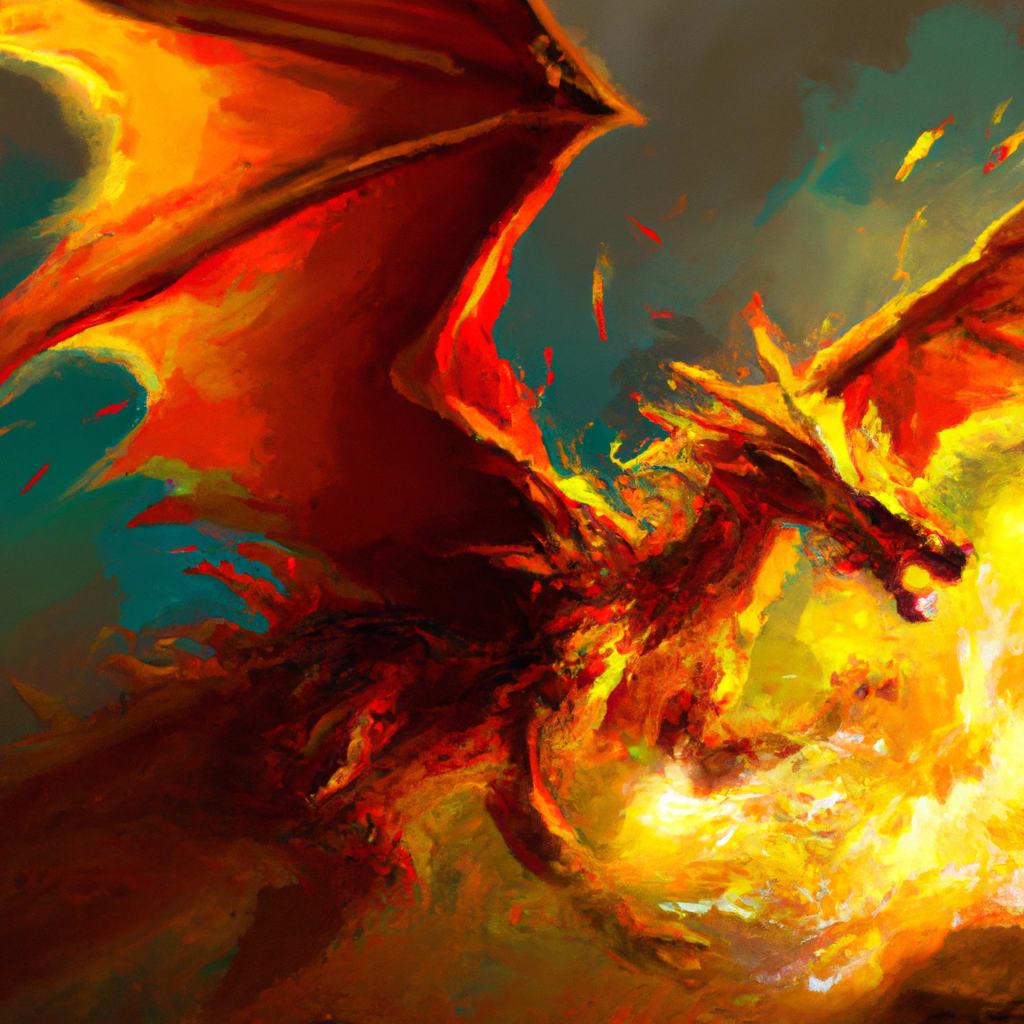
Lion and dragon dance is a traditional performance that is performed by teams of dancers in elaborate costumes. The dance is believed to bring good luck and chase away evil spirits, and it is often performed at public and private events throughout the holiday.
Fireworks displays are held in many cities and towns, and they are a spectacular sight to behold. It is believed that it will scare away evil spirits and bring good luck for the coming year.
Cleaning and decorating is also an important tradition, many people take the opportunity to clean their homes and businesses in the days leading up to the holiday, in order to sweep away any bad luck from the previous year and make way for good luck in the coming year.
The Lunar New Year is also a time for reflection and renewal, many people use the holiday as an opportunity to make amends, forgive others, and set new goals for the coming year.
The Lunar New Year is the most important holiday in the Chinese culture, and it is celebrated by more than 1.5 billion people worldwide.
INTRODUCTION
The Lunar New Year, also known as the Chinese New Year or Spring Festival, is a traditional holiday that is celebrated in many East Asian countries, including China, Vietnam, and Korea. The holiday typically falls between mid-January and mid-February and marks the beginning of a new lunar calendar year. The Lunar New Year is steeped in rich cultural traditions and is celebrated with a variety of customs, including family gatherings, feasts, and fireworks displays.
One of the most important traditions of the Lunar New Year is the reunion dinner, which is held on New Year's Eve. This is a time for families to come together and enjoy a meal, often with traditional foods such as dumplings, fish, and rice cakes. The meal is seen as a way to bring good luck and prosperity for the coming year, and it is also a time for families to catch up and share news with one another.
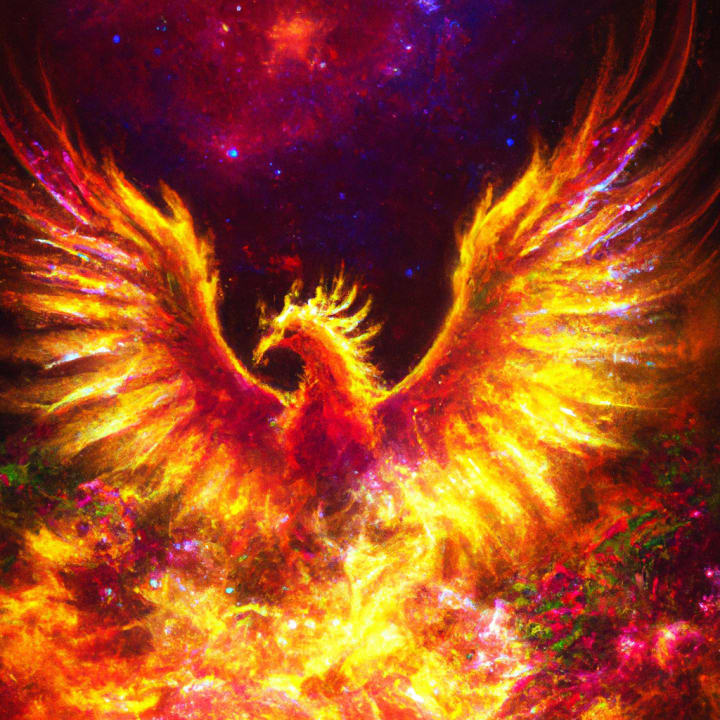
Another important tradition of the Lunar New Year is the exchange of red envelopes, or "hongbao." These envelopes are filled with money and are given to children and unmarried adults as a symbol of good luck and prosperity. The custom is also a way to show respect and appreciation for the elderly and to wish them good health and happiness in the coming year.
In addition to the family gatherings and gift-giving, the Lunar New Year is also celebrated with a variety of other traditions and customs. One of the most well-known customs is the lion and dragon dance, which is performed by teams of dancers in elaborate costumes. The dance is believed to bring good luck and chase away evil spirits, and it is often performed at public and private events throughout the holiday.
Another popular tradition is the setting off of fireworks, which is believed to scare away evil spirits and bring good luck for the coming year. Fireworks displays are held in many cities and towns, and they are a spectacular sight to behold.
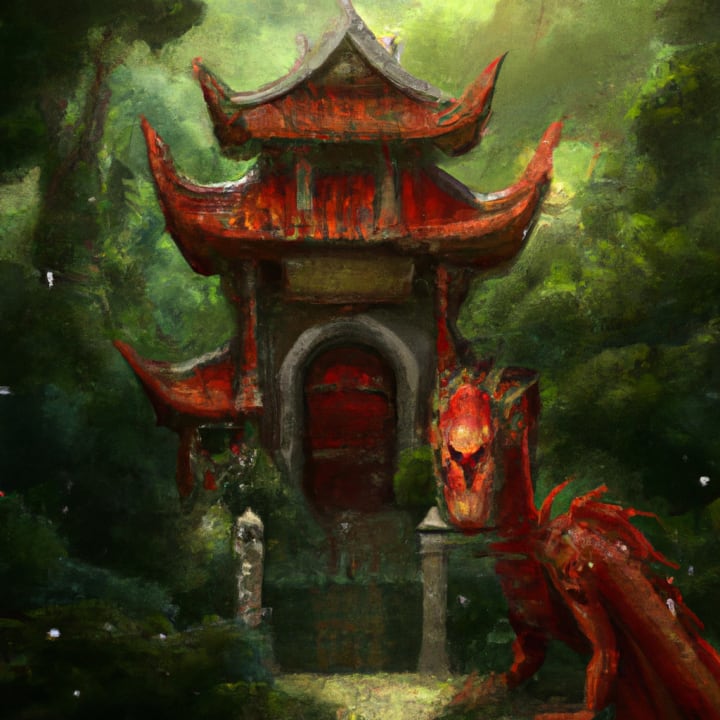
The Lunar New Year is also an important time for cleaning and decorating. Many people take the opportunity to clean their homes and businesses in the days leading up to the holiday, in order to sweep away any bad luck from the previous year and make way for good luck in the coming year. Decorations, such as red lanterns, banners, and couplets, are also put up to welcome the New Year and to add to the festive atmosphere.
The Lunar New Year is also a time for reflection and renewal. Many people use the holiday as an opportunity to make amends, forgive others, and set new goals for the coming year. It is a time to let go of the past and to look forward to the future with hope and optimism.
In recent years, the Lunar New Year has gained increased popularity and recognition around the world. Many cities and towns now hold their own Lunar New Year celebrations, with events and activities that are open to the public. This has helped to raise awareness of the holiday and to promote understanding and appreciation of the cultures that celebrate it.
In conclusion, the Lunar New Year is a rich and vibrant holiday that is steeped in tradition and cultural significance. It is a time for families to come together, for the exchange of gifts and good wishes, and for the celebration of the new lunar calendar year. The customs and traditions of the Lunar New Year, such as the reunion dinner, the exchange of red envelopes, the lion and dragon dance, and the setting off of fireworks, all serve to add to the festive atmosphere and to bring good luck and prosperity for the coming year. With the increasing popularity and recognition of the Lunar New Year around the world, it is a holiday that is sure to be celebrated for many years to come.
About the Creator
Gopalakrishnan Thangavel
Hi, I am a passionate about sharing the valuable lessons I have learned throughout my life. With a strong belief in the power of positive thinking and hard work.
Keep reading
More stories from Gopalakrishnan Thangavel and writers in Feast and other communities.
Set Sail for Fun: The Annual Gasparilla Pirate Festival
The Gasparilla Pirate Festival is an annual event held in Tampa, Florida that celebrates the legend of José Gaspar, a Spanish pirate who is said to have terrorized the Gulf Coast in the late 18th and early 19th centuries. The festival, which has been held since 1904, includes a parade, live music, food and drink, and a variety of other activities that are designed to entertain and delight visitors of all ages.
By Gopalakrishnan Thangavel3 years ago in Feast
My Tous les Jours Trip
As someone who lives in a rural area, I don't get the chance to visit fancy restaurants or bakeries that often. So, when a friend told me about a French-Asian bakery that's less than an hour away, I knew I had to check it out and grab some pictures for social media. Tous les Jours ended up providing an immersive experience that went above and beyond my expectations--although I did leave with a few reservations.
By Kaitlin Shanks23 days ago in Feast
Bacon Ranch Scalloped Potatoes
There’s something undeniably comforting about a bubbling dish of scalloped potatoes—layers of tender spuds, creamy sauce, and melted cheese all baked to golden perfection. Add the smoky crunch of bacon and the tangy zip of ranch seasoning, and you’ve got a side dish that steals the show. Whether you’re feeding a crowd at a potluck or cozying up for a weeknight dinner, this Bacon Ranch Scalloped Potatoes recipe is a guaranteed crowd-pleaser.
By Kristen Barenthaler4 days ago in Feast
Miss Persephone's Manual to a Seemingly Ordinary Life
Miss Persephone was found at the dining table, her blue eyes swollen, her tears arriving and retreating like the tides of the ocean. Earlier that day, her family had visited her in the retirement home where she had lived for eight years. It was her eightieth birthday.
By Imola Tóth4 days ago in Fiction



Comments
There are no comments for this story
Be the first to respond and start the conversation.