
Cannoli di Sicilia
A little bit of home

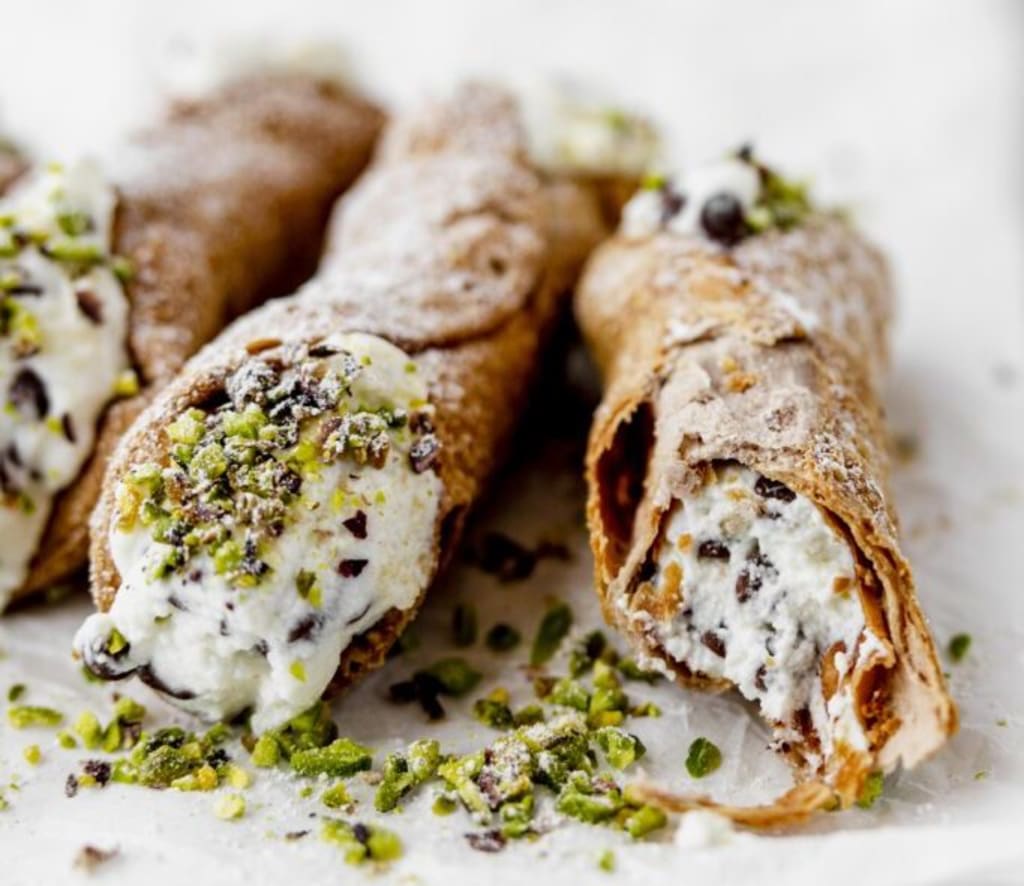
There are three main tenets to being Sicilian – God, family and food; and not necessarily in that order.
My branch of the family may well be the only bunch of Sicilians in the Universe who are not religious. In fact, we take great pleasure from poking fun at my Uncle’s fountain of Mother Mary, which apparently had to take priority over ensuring there was sufficient parking space in his country villa. We often imagine the amusement of switching the mosquito-filled water with the velvety hue of some homemade red wine and watching my Uncle’s baffled expression as he contemplated whether Mary had, in fact, paid his villa a visit in the night.
My Sicilian family is extensive, no doubt a product of warm summer evenings and copious amounts of this homemade wine. And although I am confident that my cousins make up at least 10% of the world’s “Luigi’s” and “Maria’s”, my Italian, let alone my Sicilian dialect, has always remained average at best. Instead, my fluency resides mostly in hand gestures and frequently raised shoulders.
Which leaves me with only one principle of Sicilian life that I can fully embrace: food. Whilst you can imagine the full spectrum of delicious treats that call Sicily home, my particular proclivities tend to revolve around desserts. And on this Mediterranean paradise, there is one dessert that unites every village. Cannoli.
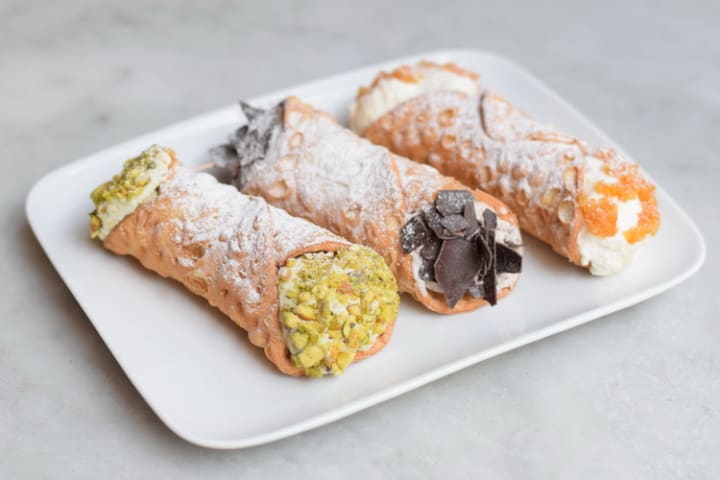
Cannoli are long tubes of fried pastry, filled with alluring, rich ricotta. Each end is dusted in pistachio, chocolate or the zest of a local citrus fruit, creating an indulgent celebration of flavour. Not to be confused with its distant, pasta-based cousin “Cannelloni”, Cannoli are rarely found outside of the island but well-known by every self-respecting Sicilian.
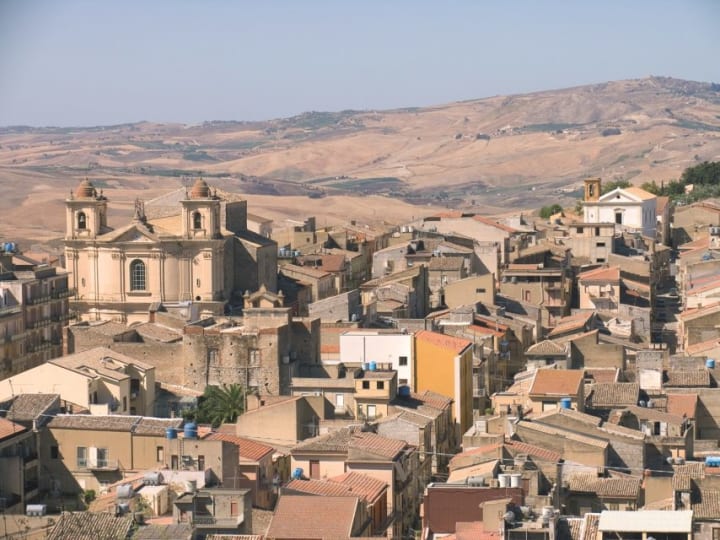
Each year, during the height of August, families return home for Ferragosto, a tradition that sees a sharp spike in homemade Cannoli production. It is also the time of the year when I return to Sicily with my own family, with my first Cannolo always being in the airport straight after touching down on home soil. In many ways, this single piece of food has become a hallmark of my Sicilian identity and, with its crispy pastry and delicious interior, keeps my connection to my roots alive and sweeter than ever.
When the pandemic struck and the world came to a halt, the prospect of being without this food-based cheerleader in my life was perhaps one of the only sacrifices that I could attempt to solve. For a long time, I had left the creation of this masterpiece to our village baker, Maria (yes, another Maria) or the few members of my family who had spent enough time mastering the art of bringing this wonder to life. But thousands of miles away, in the heart of London, there I was. Stuck without my yearly dose of Sicily’s finest pastry.
And so, using my father as my own personal Alexa and cooking assistant, I strived to tackle this challenge. To say there were multiple attempts would be an understatement. In the early days, I feel I may have done a great disservice to this delicacy. But I am nothing if not persistent and, after a few weeks, I finally managed to conquer this ricotta-coated Everest.
This single piece of food allows me to honour my roots even when I can’t see my family. It’s not quite the same, but it’s better than nothing. And so, I bestow upon the world my family’s personal Cannoli recipe, with the hope that a homesick Sicilian stranded abroad elsewhere may also find their way home through this delicious treat.
INGREDIENTS
For the dough
250g Plain flour
50g Soft butter or lard
1 1/2 tsp Salt
1 1/2 tbsp Caster sugar
1 Egg
Marsala wine
Sunflower oil
For the filling
300g Ricotta
3 tbsp Sugar
3 drops Vanilla extract
You will also need
Pistachio kernels
Chocolate nibs
Candied orange or lemon rind
Icing sugar
Cannoli moulds (available to buy online)
RECIPE
Stage 1 – The Pastry
The hardest part of making Cannoli, is getting the pastry just right. Too soft, and your creation will have the consistency of mushy cardboard. Too tough, and you’ll be needing the number of a good dentist.
To make the dough, add 250g of general purpose flour to a large mixing bowl. Mix in 1 ½ tablespoons of salt and an equal amount of caster sugar. Mix in red wine, ideally Marsala wine, until a dough is formed. For those who don’t consume alcohol, then an equal mix of water and vinegar can also work. Once a doughy consistency, cool for around 24 hours.
Once nicely cooled, find yourself a large worktop or kitchen counter. Take a healthy pinch of dough and, using a rolling pin or pasta machine, flatten it to no more than 3mm. The thinner, the better! Using a circular cutter, cut out circles of dough that are around 12cm in diameter. Then, using a cannoli mould (which resembles a small metal tube), roll your circular shape around until the edges overlap. Secure the overlapping section with a light egg wash or a small bit of water. Using a fork, press down on the overlapping segments to keep them in place.
Then, with the metal mould still inside, fry a few of the cannoli tubes at a time in sunflower oil for around 4 minutes. It helps to put them in with the overlapping section first so that they don’t break apart. As you fry them, they will bubble and float, becoming a rich golden colour once done.
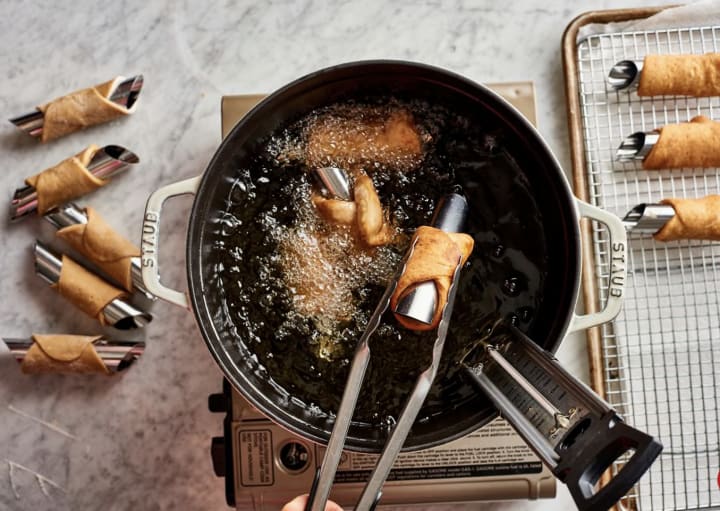
Take them out of the oil and place them on a tray with some kitchen paper underneath, leaving them to dry and cool down. Once cool, slide the tube out.
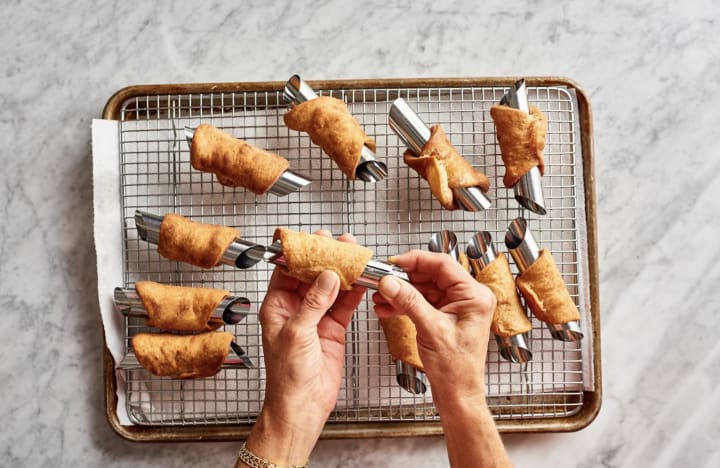
Stage 2 – The Filling
Add your ricotta into some muslin and squeeze it until the water comes out. You want it to be as dry as possible. The best way to do this is to suspend it over a bowl in the fridge for up to a day and allow all the water to drain out. Once dry, remove it from the muslin and add it to a large mixing bowl. Add around 3 tablespoons of caster sugar and a few drops of vanilla extract to taste. You can even choose to add some extra chocolate nibs into the filling if you have a particularly potent sweet-tooth!
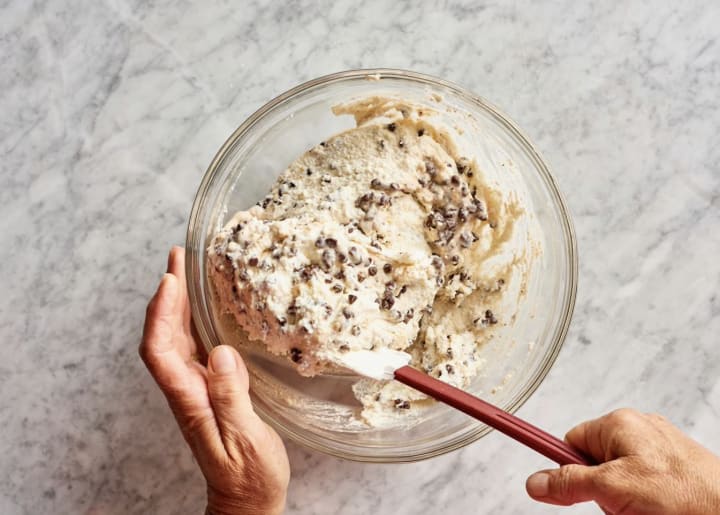
Stage 3 – Assembly
Once your pastry and filling is ready, you can begin the assembly.
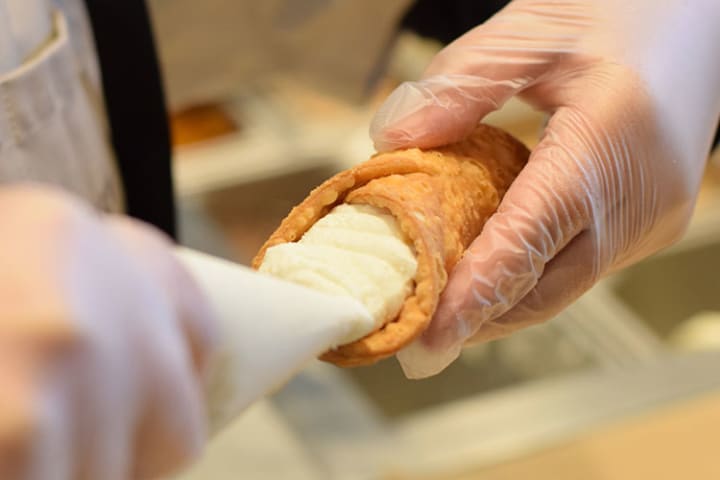
Using a piping bag, fill the pastry at both ends with the ricotta. Use a teaspoon to push the mixture to the centre of the pastry so that it is evenly distributed. Once healthily stuffed, flatten both ends and dip each into the topping of your choice. This can be pistachio kernels, crushed chocolate nibs or even candied orange or lemon rind. If you are feeling particularly adventurous, you could even do different flavours on each end of the cannolo. Once the topping has been added, sprinkle some icing sugar over the top and assemble your finished masterpiece into a tower of cannoli goodness.
OVER TO YOU , AMICI
And so, my friends, it is over to you!
Making cannoli can be daunting. They take time, precision and require a lot of love and attention. But the Sistine Chapel wasn’t painted in a day and, if you give this dessert your dedication, then you will be rewarded ten times over.
Not only will you impress your Sicilian friends, but you will bring a dessert to the table that many people have never heard of and will never forget.
After all, there is no better accompaniment to a summer evening than a glass of wine and a fresh cannolo.
About the Creator
Oliver Conte
Creative writer from London.
Keep reading
More stories from Oliver Conte and writers in Feast and other communities.
The Dome
Three soft tones. It was always the same three notes that exuberantly echoed around Sarah’s pod. At first, they had been quite a pleasant sound to wake up to, but the novelty had quickly worn off and they now served as a daily reminder of her reality, cruelly served at 6:00am each morning.
By Oliver Conte5 years ago in Fiction
My Tous les Jours Trip
As someone who lives in a rural area, I don't get the chance to visit fancy restaurants or bakeries that often. So, when a friend told me about a French-Asian bakery that's less than an hour away, I knew I had to check it out and grab some pictures for social media. Tous les Jours ended up providing an immersive experience that went above and beyond my expectations--although I did leave with a few reservations.
By Kaitlin Shanks28 days ago in Feast



Comments
There are no comments for this story
Be the first to respond and start the conversation.