
Birth of the Fast-Food Craze in America
White Castle, the First Fast-Food Restaurant
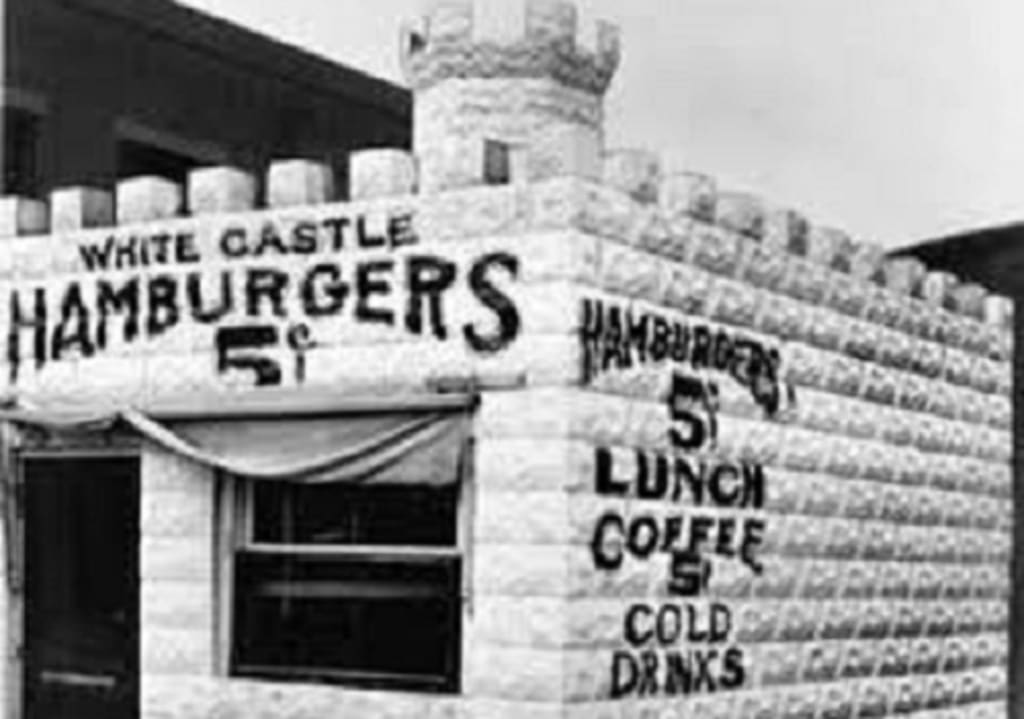
Have you ever wondered who began the fast-food craze in America? For any fan of fast-food, knowledge of how the fast-food craze began and how it has managed to become a popular pastime could serve as a valuable piece of information. After carefully and thoroughly researching the facts of several databases, I have discovered a lot about the fast-food industry.
According to the Merriam-Webster dictionary, the term ‘Fast-Food’ was first used in 1951, and has the meaning of, relating to, or specializing in food that can be prepared and served quickly.
It came to my attention that most people believe that McDonald’s was the first fast-food chain in America. However, after carefully and thoroughly researching fast-food chains in America, I found that White Castle was actually the first fast-food chain to open in America.
White Castle limited-service restaurant which is considered the first hamburger chain in America, known for its unique steam-grilled hamburger patties, originated in 1916, in Wichita, Kansas, by J. Walter Anderson, and people loved the taste of the cheap burgers so much that Mr. Anderson and Billy Ingram started the first White Castle chain in 1921 for a mere $700 of borrowed money.
The two cofounders rented a remodeled streetcar, bought a griddle and a refrigerator, and opened for business in 1916. The first White Castle was started and quickly became a popular pastime after the end of World War II. That’s when people began having more leisure to eat out.
Fast-food pioneered the distinctive taste of the White Castle burger to J. Walter Anderson, who worked in a Wichita, Kansas restaurant, and had perfected a unique way of cooking the hamburger patties, adding shredded onions and placing the bottom half of the bun on top of the meat, making what turned out to be a most delicious tasting hamburger.
White Castle Management Company, which began in 1921, has sold more than a billion burgers and has long since surpassed the other burger giants like McDonald’s Corporation, Burger King, Inc., and Wendy’s International Inc., for the simple reason that they would not operate as a corporate franchise.
Instead, White Castle prided itself on being owned and operated by White Castle Management, which the Ingram family has been the sole proprietor of since 1933. Unlike most hamburger chains, “White Castle,” restaurants merely operate primarily in Urban Areas of the Midwestern and Eastern United States.
E.W. Ingram III (grandson of E.W. Ingram, Sr.) directed the company as chairperson, president, and CEO of White Castle Management, also owns and operates three bakeries, three meat processing plants, and two frozen sandwich plants among other businesses. The WCD (White Castle Distributing) division markets and distributes frozen White Castle hamburgers to food retailers in 35 states, from Florida to California.
The company prides itself on its generous employee benefit plans and a turnover rate that is unusually low for the fast food industry. White Castle is primarily known for its square hamburgers (which sell at a rate of 500 million a year). White Castle also offers cheeseburgers, chicken and fish sandwiches, French Fries, Onion Rings and my all-time favorite mozzarella cheese sticks, which I have personally compared to Burger King, Sonic, and other fast-food chains, and by far, in my opinion, are the best cheese sticks of them all. They also carry other items that vary from one location to another.
In their 85-plus years of existence, White Castle hamburgers have developed an image that sets them apart from other fast-food burgers. Even the pop music group The Beastie Boys sang an ode to the sandwich in the 1980s, and in 2004, the hamburger chain went Hollywood, through its starring role in the Road Trip, from Harold and Kumar Goes to White Castle.
White Castle burgers have had several nicknames throughout the years, including “sliders,” “Gut Bombs and “Belly Busters” just to name a few. Then, in the late 20th century, the company’s marketing team began capitalizing its image with the company’s publicity and began referring to its hamburgers as “Sliders” (A company trademark name) and has even stated that the full impact of eating White Castle Hamburgers aren’t normally felt the next day.
The company also sponsors contests for recipes incorporating White Castle hamburgers, in addition, White Castle Management clothing emblemizing with the White Castle logo, building on the “What You Crave” tagline used in its advertising, moreover, the company has also launched the “Cravers Hall of Fame”, honoring those “cravers” with the best stories that support their dedication to White Castle burgers.
Although the term “fast-food” wasn’t really recognized until 1951, when the popular Merriam-Webster dictionary placed it in their vocabulary, its existence had been known many years before that by the name ‘Quick Service Restaurant' or “QSR”. The essence of fast-food lies in its fast service and availability of ready-cooked meals, as the urban development became a phenomenon, in the 20th century, when the The United States began working and eating out more at QSR, which is when it gained its popularity.
As of 2012, this fast-food giant will be celebrating its 91st anniversary. The company boasts of being the first to sell a billion burgers, and its name signifies (“White”) meaning purity, and (“Castle”) meaning strength and stability.
So the next time you feel like eating fast-food think “What you crave?” and grab a hamburger and be honored to eat at a restaurant that continues to hold onto its beliefs in values and morals.
References:
http://science.howstuffworks.com/innovation/edible-innovations/fast-food .htm
About the Creator
Jessie I Reed
A 2-time published author, 3-time award-winning poet, entrepreneur, AIDS advocate, student, and business owner. My passion is writing, I've been writing regularly since age 7, professionally since age 20. I can write in almost any genre.
Keep reading
More stories from Jessie I Reed and writers in Feast and other communities.
My Tous les Jours Trip
As someone who lives in a rural area, I don't get the chance to visit fancy restaurants or bakeries that often. So, when a friend told me about a French-Asian bakery that's less than an hour away, I knew I had to check it out and grab some pictures for social media. Tous les Jours ended up providing an immersive experience that went above and beyond my expectations--although I did leave with a few reservations.
By Kaitlin Shanks23 days ago in Feast



Comments
There are no comments for this story
Be the first to respond and start the conversation.