
Bengali New Year (Pohela Boishakh): A Celebration of Culture, Unity, and Renewal
Pohela Boishakh
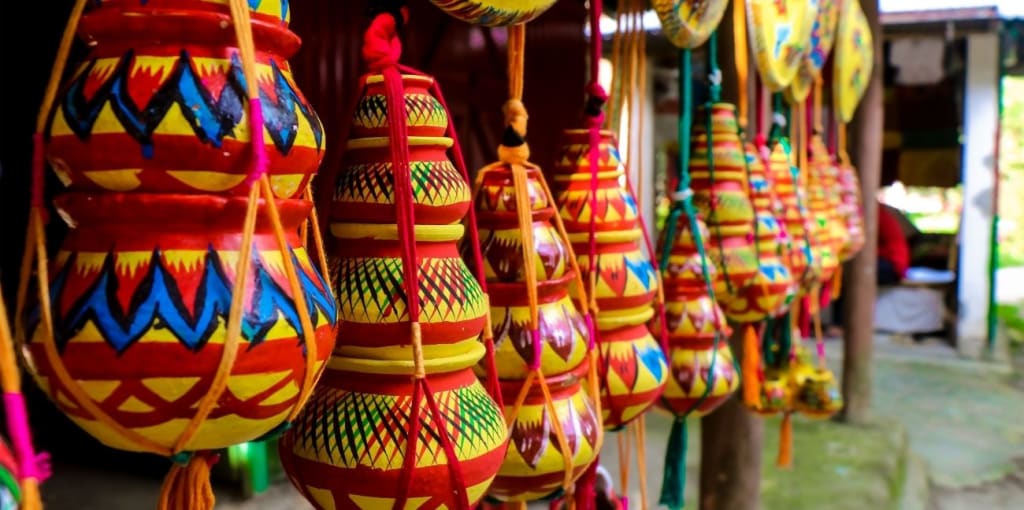
New Year, or Pohela Boishakh, is one of the most cherished cultural festivals among Bengalis around the world, especially in Bangladesh and the Indian state of West Bengal. It marks the first day of the Bengali calendar and usually falls on April 14th or 15th, depending on the region. This lively festival combines tradition, pride in one's culture, and joy for the whole community in a beautiful way.
The Roots of Pohela Boishakh
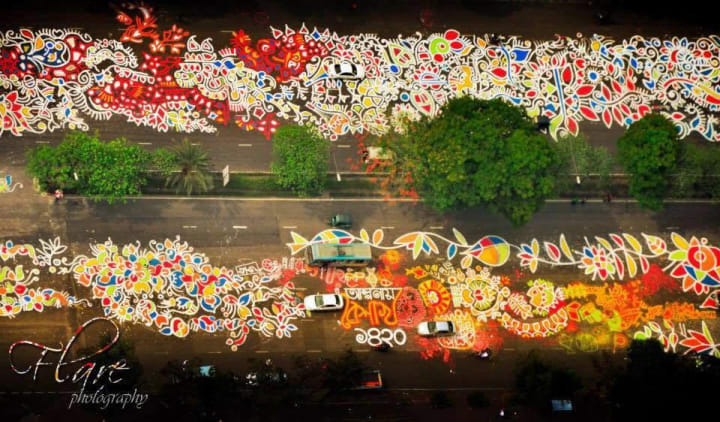
Pohela Boishakh dates back to the Mughal period, specifically the time of Emperor Akbar. Akbar introduced a new calendar that combined the Hindu solar calendar with the Islamic lunar calendar in order to simplify tax collection in Bengal. Over time, this evolved into the Bengali calendar. Because it marked the start of the new fiscal year, the first day of Boishakh took on new significance. The origins of Pohela Boishakh trace back to the Mughal era. During the reign of Emperor Akbar in the 16th century, the Bengali calendar was reformed to align the tax collection system with the harvest season. The new year, or Nabo Barsho (নববর্ষ), became a time for farmers to settle dues and celebrate the bounty of the land. Over time, this agrarian festival evolved into a cultural cornerstone, transcending religious and social divides to become a symbol of Bengali identity.
How Bengalis Celebrate
Pohela Boishakh is celebrated with grandeur and enthusiasm, transcending religious and social boundaries. Here's how the day typically unfolds:
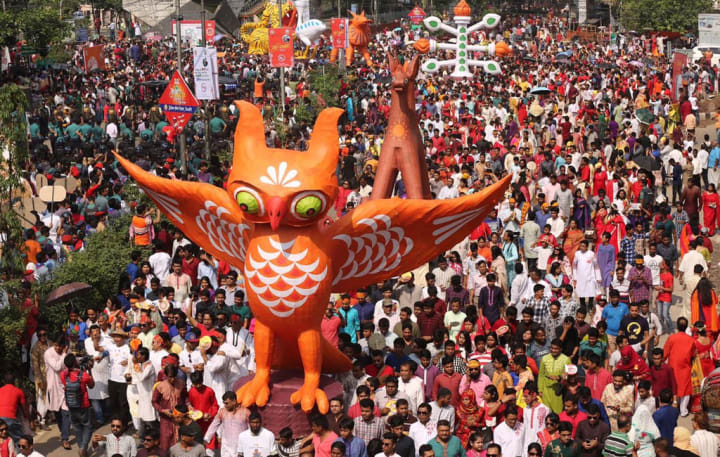
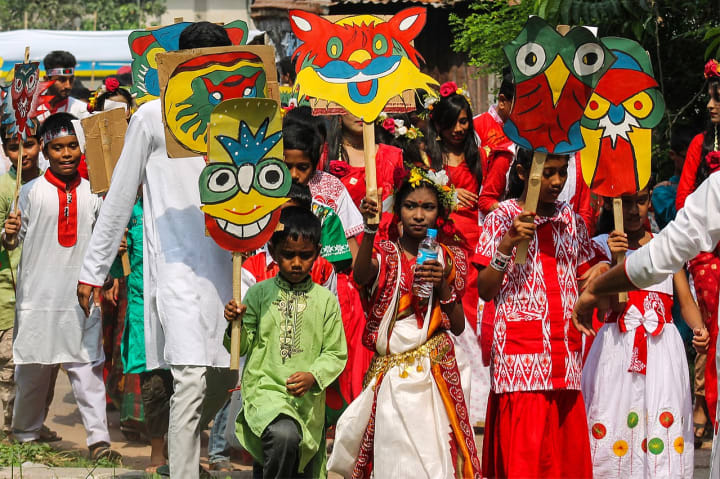
Morning Processions: In Bangladesh, the famous "Mangal Shobhajatra," a colorful procession led by students from the Faculty of Fine Arts at Dhaka University, typically marks the beginning of the day. The procession features vibrant masks, animal figures, and traditional motifs, symbolizing the triumph of good over evil.
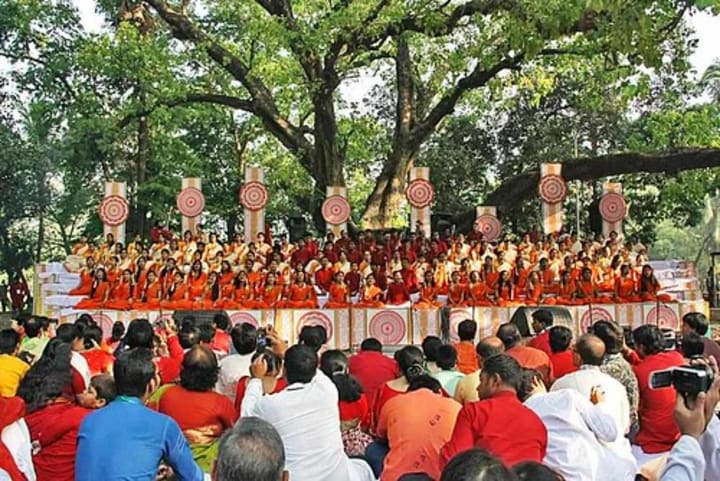
Cultural Programs: Traditional music, dance, poetry readings, and theatrical performances fill public spaces all day. The Rabindranath Tagore Sangeet, or his songs, are central to numerous events. From dawn to dusk, stages come alive with Rabindra Sangeet (songs by Rabindranath Tagore), folk dances like jatra and baul music, and recitations of poetry. In Bangladesh, the day begins with Chhayanaut’s iconic concert at Ramna Botomul in Dhaka, where the song “Esho he Boishakh” (Come, O Boishakh) resonates under the banyan tree.
Traditional Attire: People dress in traditional attire—men wear panjabis or kurtas, women wear white sarees with red borders. It’s a day to look elegant and festive.
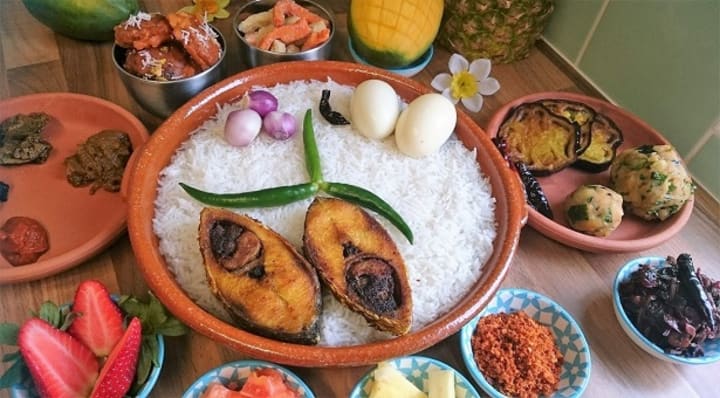
Food and Feasts: Food is an essential part of the celebration. Various sweets, such as rosogolla, sandesh, and mishti doi, and traditional Bengali dishes like ilish maach (hilsa fish) and panta bhat (fermented rice), are popular among the populace.
Business Traditions: Traditions in the business world Shopkeepers and businesses observe the "Haal Khata" ritual, which entails opening new account books and handing out sweets to customers in hopes of a prosperous year. Unity and identity symbol Pohela Boishakh is more than just a new year’s celebration—it’s a cultural statement. In Bangladesh, it is a national holiday and a symbol of unity and resistance against extremism. As a time of renewal and reflection, it holds great significance in West Bengal. International Celebrations The Bengali diaspora in countries like the UK, USA, Canada, and Australia also celebrates Pohela Boishakh with community events, cultural shows, and traditional food festivals, keeping the spirit of Bengali culture alive around the world.
A Festival of Unity and Hope : At its core, Pohela Boishakh is a celebration of resilience. From surviving colonial eras to embracing modernity, Bengalis have turned the day into a testament of cultural pride. It’s a reminder that no matter the challenges, the spirit of Boishakh—like the blossoming krishnachura trees—brings renewal, joy, and the promise of brighter days.
Conclusion
Pohela Boishakh is a vibrant celebration of new beginnings, shared heritage, and pride in one's culture. It brings people together in joy and reflection through food, music, or tradition. As the Bengali saying goes,
Happy New Year, everyone! "Shubho Noboborsho!"
About the Creator
Keep reading
More stories from writers in Feast and other communities.
My Tous les Jours Trip
As someone who lives in a rural area, I don't get the chance to visit fancy restaurants or bakeries that often. So, when a friend told me about a French-Asian bakery that's less than an hour away, I knew I had to check it out and grab some pictures for social media. Tous les Jours ended up providing an immersive experience that went above and beyond my expectations--although I did leave with a few reservations.
By Kaitlin Shanks24 days ago in Feast
No-Recipe-Needed Dessert Tutorials
1. Basque Burnt Cheesecake Cream cheese, a few high-quality farm-fresh eggs, heavy cream, and sugar—just mix them together. Sift the mixture into a mold to remove air bubbles. Bake at 180°C (356°F), both top and bottom heat, for 40-50 minutes. Done! It must be completely chilled before slicing. One bite, and you'll be floating on cloud nine... This is so good! It has an incredibly rich, cheesy aroma and melts instantly in your mouth. The key is that this method is just too simple and unbeatable.
By yue . shui4 days ago in Feast




Comments
There are no comments for this story
Be the first to respond and start the conversation.