
Bacterial Magic: Unveiling the Metabolic Marvels Behind Cheese Making!
Discover the secret microbiological alchemy that transforms milk into delightful cheese, unlocking the mysteries of bacterial magic.

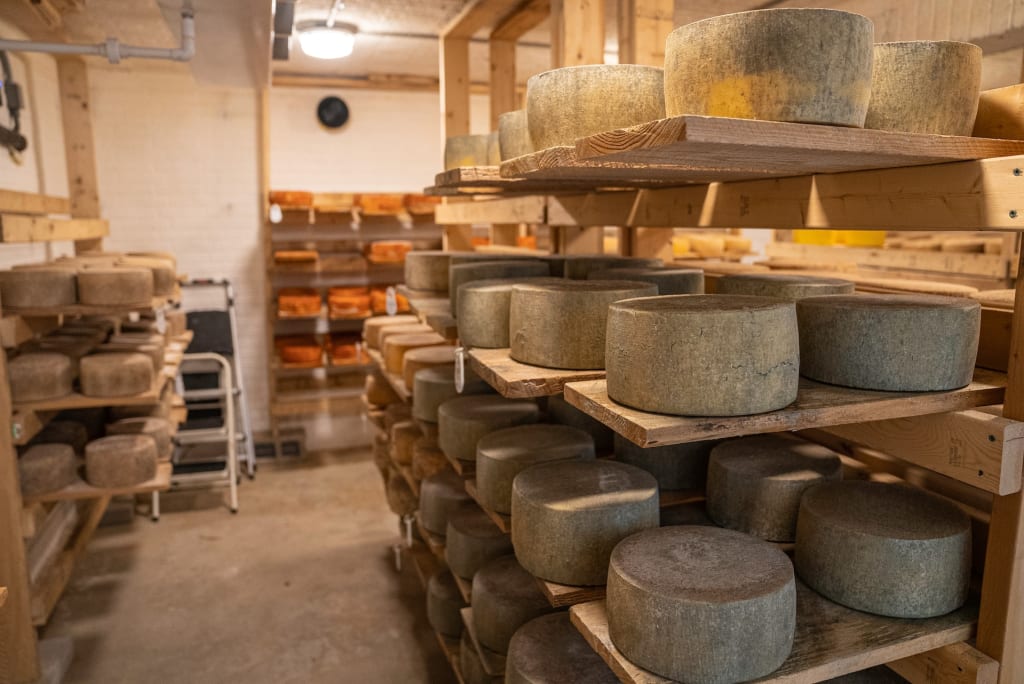
Ever wondered how cheese gets its distinctive taste and texture? Behind the scenes, a captivating metabolic process by bacteria plays a crucial role. In the art of cheese-making, specific bacteria participate in fermentation, producing lactic acid. Understanding this metabolic pathway and the type of respiration involved sheds light on the chemistry behind one of our favorite dairy delights.
The Essence of Cheese-Making Bacteria

When it comes to cheese-making, not all bacteria are created equal. Two particular types, Lactococcus lactis and Streptococcus thermophilus, take center stage in the process. These bacteria possess desirable metabolic properties, including their ability to ferment lactose into lactic acid.
Fermentation is the key to flavor, aroma, and texture development in cheese. The presence of specific bacteria allows for controlled fermentation, resulting in the unique character of each cheese variety.
The Metabolic Journey
The metabolic journey of cheese-making bacteria begins with glycolysis, the first stage of metabolism. In glycolysis, glucose molecules are broken down into pyruvate through a series of chemical reactions.
This stage serves a dual purpose. Firstly, it generates energy for the bacteria to carry out their functions. Secondly, it produces essential intermediates necessary for lactic acid formation.
Lactic Acid Fermentation
The most crucial aspect of the metabolic process in cheese-making bacteria is lactic acid fermentation. Interestingly, during this process, bacteria undergo anaerobic respiration, extracting energy from nutrients without requiring oxygen.
During lactic acid fermentation, pyruvate, the end product of glycolysis, is converted into lactic acid. This conversion is catalyzed by lactate dehydrogenase, an enzyme present in the bacteria.
The conversion of pyruvate to lactic acid results in the regeneration of NAD+ from NADH, a coenzyme that plays a critical role in the metabolic process. This regeneration is crucial for the continuous production of energy in the absence of oxygen.
Role of Lactic Acid in Cheese-Making

Lactic acid produced during the fermentation process plays a significant role in the formation of cheese's texture. As lactic acid accumulates, it lowers the pH of the cheese, creating an acidic environment. This change in pH encourages the aggregation of milk proteins, resulting in the formation of cheese curds.
Protein aggregation is crucial in determining the texture of the final cheese product. Hard cheeses, like Cheddar, undergo a longer fermentation process, resulting in more protein aggregation and firmer textures. On the other hand, soft cheeses, like Brie, have a shorter fermentation period, leading to less protein aggregation and a softer texture.
Flavor Development
The production of lactic acid also contributes to the delectable flavors found in different cheese varieties. The tanginess associated with cheeses is a result of the presence of lactic acid.
Different bacterial strains and fermentation conditions lead to variations in lactic acid production, resulting in a wide range of flavor profiles. From the sharpness of aged Parmesan to the mild creaminess of Mozzarella, lactic acid's influence is fundamental to the distinct taste of each cheese.
Furthermore, lactic acid acts as a natural preservative, inhibiting the growth of harmful bacteria. This property ensures the safety and extended shelf life of cheese, maintaining its quality for consumers.
The metabolic journey undertaken by cheese-making bacteria is a fascinating feat of microbial magic. Glycolysis sets the groundwork, providing the necessary energy and intermediates for lactic acid fermentation. During anaerobic respiration, pyruvate is converted into lactic acid, accentuating both texture formation and flavor development in cheese.

So, the next time you savor a piece of cheese, take a moment to appreciate the intricate microbial processes that compose its flavors and textures. From the ancient art of cheese-making to the science behind its creation, bacteria add their marvelous touch to our beloved dairy delight.
***
If you enjoyed our story, we kindly ask for your support. Please give it a like and leave a comment, and don't forget to subscribe to our channel for our newest stories. If you're feeling generous, you can also send us a tip to help us dedicate more time to creating and writing stories for you. Every contribution will go towards funding a special project. Find out more information here.
Thank you sincerely for your support.
For comprehensive health information, check out Ozeya Life. They offer online services and cater to Vancouver Island. They are also available for specific contracts and events. Contact them to learn more.
If you have a specific topic or question you'd like us to cover in our future stories, please feel free to leave a comment. We provide tutoring services in science, biology, and anatomy, benefiting children, college students, and university students alike. If you need assistance, reach out to us.
Email us at [email protected].
About the Creator
Hippy vagabond
We are the dynamic duo of imagination and wellness, your go-to source for captivating fiction stories and soul-stirring poetry. We transport you to worlds where dreams come alive. Join us on a beautiful journey of wonders and well-being.
Keep reading
More stories from Hippy vagabond and writers in Feast and other communities.
Unleash Your Superpowers: Exploring the Magic of Superfoods!
Greetings, health enthusiasts and wellness seekers! Today, we embark on an enchanting journey into the world of superfoods, unlocking the secrets to optimal health and vitality. In this blog, we will delve into the realm of superfoods — what they are, why they are exceptional, and how you can effortlessly incorporate them into your daily diet. Prepare to discover the magic of superfoods and unleash your own superpowers!
By Hippy vagabond2 years ago in Feast
If meals are planned well, Ramadan is actually a great time to lose weight in a healthy way.
If meals are planned well, Ramadan is actually a great time to lose weight in a healthy way. The key is choosing the right foods for Sehri (Suhoor) and Iftar and avoiding overeating, as fasting already limits eating hours. Here is a straightforward guide to losing weight during Ramadan.
By Farida Kabir6 days ago in Feast
Crispy, Buttery Tarts with the Aromatic Sweetness of Fresh Fruits
Tarts are a type of baked good with European origins that have gained worldwide popularity. Their unique characteristic is a crisp, buttery pastry shell filled with a variety of flavors, whether it's smooth custard, luscious fresh cream, or sweet and tangy fresh fruits. Taking a bite of a tart offers a combination of crunch, creamy richness, and the refreshing taste of the filling all at once. For those who enjoy baking, making tarts at home is not as difficult as it might seem. Simply understanding the basic components and steps allows you to create these delightful little bites of deliciousness.
By Kenneth Ethan Carl6 days ago in Feast
Guard Your Battery
Why are some people so attractive just by standing there? It’s not because they are "likable," but because they don’t need everyone to like them. I realized later that truly charismatic people allow themselves to be criticized, but they never criticize themselves. They never try to please the world; instead, the world stops to watch them.
By Emily Chan - Life and love sharing7 days ago in Poets



Comments
There are no comments for this story
Be the first to respond and start the conversation.