
Authentic Filipino Pork Humba Recipe – Sweet, Savory, and Irresistibly Tender
Discover the rich, melt-in-your-mouth goodness of Pork Humba — a classic Filipino dish that blends sweet and savory flavors in perfect harmony.
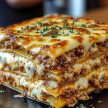

: Introduction:
In the heart of Filipino cuisine lies a dish that combines tradition, tenderness, and a unique flavor profile — Pork Humba. This beloved dish originates from the Visayas and Mindanao regions of the Philippines and has captivated the hearts (and taste buds) of many.
At first glance, Humba might remind you of adobo, but it’s much sweeter, more complex, and often made more special by the addition of fermented black beans (tausi), banana blossoms, and sometimes pineapple juice. It’s a slow-braised pork belly dish that's comforting, rich in umami, and best enjoyed with a generous serving of steamed rice.
If you're looking to try a new Filipino dish that’s both traditional and unique, this is it. Let’s dive into the full recipe and discover what makes Pork Humba so special.
: Ingredients:
1 kg pork belly, cut into chunks
1 head garlic, minced
1 large onion, chopped
1/2 cup soy sauce
1/4 cup vinegar
1/2 cup brown sugar
1/2 cup pineapple juice (optional but recommended)
1/4 cup dried banana blossoms (rinsed and soaked)
1/4 cup salted black beans (tausi), rinsed
2–3 bay leaves
1/2 tsp whole black peppercorns
1 tbsp cooking oil
Salt to taste
Water, as needed
Optional: hard-boiled eggs, fried saba bananas (for garnish)
🍳 Instructions:
Step 1: Sauté the Aromatics
Heat oil in a large pan. Add garlic and onion, and sauté until golden and fragrant.
Step 2: Brown the Pork
Add the pork belly pieces and cook until they are lightly browned on all sides. This helps seal in the flavor.
Step 3: Add Main Flavor Base
Pour in soy sauce, vinegar (do not stir yet), brown sugar, bay leaves, and peppercorns. Let the mixture boil uncovered for 2–3 minutes to let the vinegar mellow.
Step 4: Add Sweetness and Depth
Stir the mixture, then add pineapple juice, tausi (salted black beans), and soaked banana blossoms. Mix well to coat the pork.
Step 5: Slow Simmer
Lower the heat, cover the pot, and let it simmer gently for 1.5 to 2 hours. Check occasionally and add water as needed to prevent drying out.
Step 6: Final Adjustments
Once the pork is fork-tender and the sauce is thick and glossy, taste it. Adjust with a pinch of salt or sugar depending on your preference.
Step 7: Serve
Serve hot with white rice. Optionally, top with hard-boiled eggs or fried saba bananas for extra flavor and tradition.
:Cultural Significance:
Pork Humba is more than just a dish — it's a cultural experience. Often served during fiestas, birthdays, or Sunday family gatherings, Humba holds sentimental value across generations. While it reflects Spanish and Chinese influences, it has been uniquely localized to reflect Filipino tastes.
The inclusion of banana blossoms and tausi isn’t just for taste — it’s a nod to the resourcefulness and cultural fusion present in many Filipino kitchens. Some families add star anise for extra aroma, while others prefer to include pineapple chunks for a fruitier note.
What makes Humba truly special is its versatility and depth of flavor. It gets better the next day, making it a favorite leftover dish for many!
: Final Thoughts:
Whether you’re exploring Filipino cuisine for the first time or recreating a cherished family recipe, Pork Humba offers a rich and satisfying experience. It’s tender, flavorful, sweet, and savory — a dish that represents comfort and culture in every bite.
Try it for your next family dinner, and don't forget to serve it with rice and a smile. The aroma alone will bring everyone to the table.
About the Creator
jennifer
Spreading flavors, one recipe at a time. From spicy street-style to homely comfort food – welcome to my kitchen world! 🌶️🍜
My Tous les Jours Trip
As someone who lives in a rural area, I don't get the chance to visit fancy restaurants or bakeries that often. So, when a friend told me about a French-Asian bakery that's less than an hour away, I knew I had to check it out and grab some pictures for social media. Tous les Jours ended up providing an immersive experience that went above and beyond my expectations--although I did leave with a few reservations.
By Kaitlin Shanks27 days ago in Feast
Searching for the Best Pizza in Doha: A Matter of Taste, Time, and Place
The idea of the “best pizza in Doha” is more complicated than it first appears. Doha is a city of contrasts—glass towers rising from the desert, quiet neighborhoods tucked behind busy roads, and people from every corner of the world bringing their own memories of what food should taste like. Pizza, a dish born far from Qatar, has found a surprising and comfortable home here. But defining the best version of it is less about rankings and more about moments.
By Harley Morris4 days ago in Feast




Comments
There are no comments for this story
Be the first to respond and start the conversation.