
Australia Mayonnaise Market Strengthens on Steady Consumer Demand for Convenience and Healthy Variants
Driven by evolving tastes, health-focused innovation, and foodservice expansion, the Australia mayonnaise market is projected to grow from USD 269.3 Million in 2025 to USD 371.2 Million by 2034 at a CAGR of 3.63%.

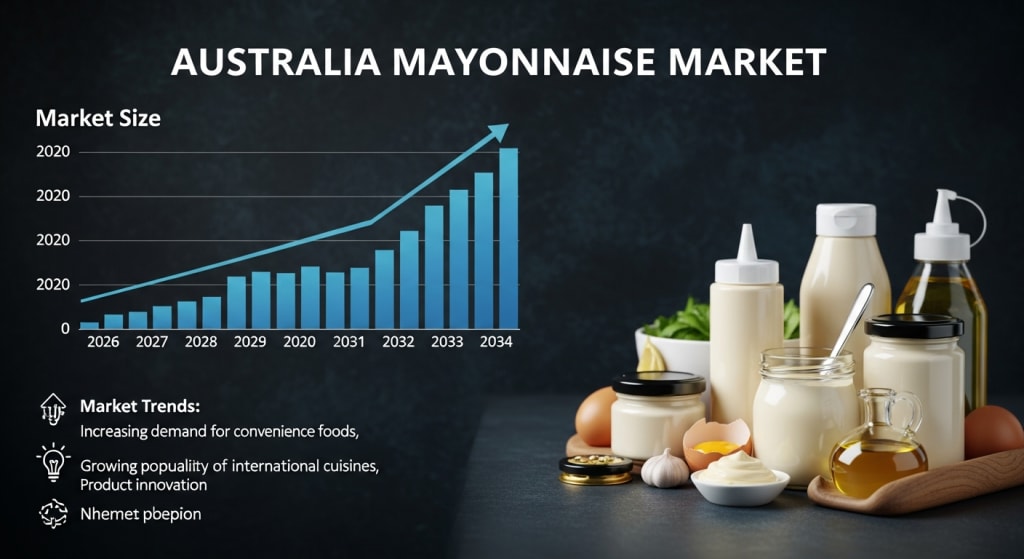
The Australia mayonnaise market has been expanding steadily in recent years, driven by shifts in consumer eating habits, the rising demand for convenient food products, and innovation in flavor and product formulations. According to IMARC Group, the market reached USD 269.3 Million in 2025, and is expected to reach USD 371.2 Million by 2034, registering a compound annual growth rate (CAGR) of 3.63% over the 2026–2034 forecast period.
Mayonnaise, a versatile condiment made from oil, egg yolk, vinegar or lemon juice, and seasonings, has moved beyond its traditional role as a simple sandwich spread. It now finds extensive use in quick meals, salads, gourmet cuisine, and as a key ingredient in sauces and dressings. The evolution in preparation and variety—from classic unflavored options to flavored and specialty formulations—reflects broader changes in Australian food culture and lifestyle preferences.
The market’s historical growth has been shaped by shifting consumer diets and a proliferation of foodservice channels. Urbanization, busy work lives, and the rising popularity of both at-home and on-the-go meals have bolstered the appeal of ready-to-eat and flavor-enhancing condiments like mayonnaise. At the same time, increasing health awareness has encouraged manufacturers to diversify portfolios with low-fat, organic, and plant-based offerings, responding to growing demand for nutritious and ethically sourced products.
Looking forward, the interplay of retail expansion, innovative product launches, and digital commerce is expected to sustain steady demand. As Australian consumers continue to seek convenience and novel flavors, mayonnaise is primed to play a larger role not only in everyday home cooking but also in institutional and foodservice environments.
Why the Market Is Growing So Rapidly
1. Changing Dietary Habits and Consumer Preferences
Australian consumers are increasingly exploring diverse cuisines and culinary experiences, with mayonnaise evolving from a staple condiment to an adaptable ingredient in flavorsome recipes. From sandwiches and wraps to salads and gourmet dishes, mayonnaise adds texture and richness, making it an indispensable component in contemporary meal preparation. This trend reflects broader shifts toward convenient, flavorful food solutions that fit modern lifestyles.
2. Growth of Flavored and Specialty Variants
There has been a notable rise in preference for flavored and organic mayonnaise variants. Health-conscious consumers are attracted to products featuring cleaner labels, natural ingredients, and reduced fat content. Vegan and plant-based mayonnaise variations have also gained traction, aligning with more flexible and sustainable eating habits. The popularity of flavored options—such as herb-infused, spicy, or ethnic-inspired blends—is particularly strong among younger demographics seeking novel taste experiences.
3. Expansion of Foodservice and Quick Service Restaurants (QSRs)
Mayonnaise’s versatility as both a condiment and a base for sauces has made it a preferred choice in foodservice outlets, quick service restaurants, cafés, and casual dining venues. Menu innovation and the growth of casual dining have significantly increased the use of mayonnaise and mayonnaise-based dressings, driving volume demand and encouraging manufacturers to supply tailored products for this channel.
4. Increasing Retail Penetration and Online Access
Supermarkets, hypermarkets, and online grocery platforms have broadened mayonnaise accessibility across urban and regional areas. E-commerce growth, accelerated by changing shopper behavior, has enabled a wider audience to discover and purchase premium and niche products. Digital promotions, subscription models, and bundled offers have further enhanced product visibility and stimulated trial purchases, contributing to consistent market growth.
5. Innovation in Packaging and Convenience
Convenient packaging formats—such as squeeze bottles, resealable jars, and single-serve packs—are increasingly preferred by consumers and foodservice providers alike. These formats improve usability, reduce waste, and offer better portion control, appealing to busy families and on-the-go lifestyles. Packaging innovation not only enhances user convenience but also supports extended shelf life, which is crucial for both retail and institutional buyers.
What the Opportunities Are
1. Premium and Gourmet Product Lines
There is growing appetite for premium mayonnaise offerings that feature artisanal ingredients, unique flavor profiles, and elevated taste experiences. Brands can leverage this trend to achieve higher price points, deepen customer engagement, and develop loyalty among discerning consumers.
2. Strengthening Foodservice Partnerships
Increasing strategic partnerships with foodservice operators—especially QSRs, cafés, and hotels—can secure stable, high-volume demand and promote customized mayonnaise formulations for specific culinary applications.
3. Regional and Export Market Expansion
Many regional and rural markets in Australia remain under-leveraged. Expanding distribution networks into these areas and exploring export opportunities in nearby Asia-Pacific markets can unlock new growth streams for domestic manufacturers.
4. Plant-Based and Health-Focused Innovation
The growing preference for healthier lifestyles offers opportunities for developing low-fat, plant-based, and clean-label mayonnaise variations. Brands that align products with wellness trends can attract health-driven consumers and differentiate themselves in a crowded market.
5. Digital Engagement and Direct-to-Consumer Channels
Investing in digital marketing and direct-to-consumer e-commerce platforms can boost brand visibility and foster deeper consumer relationships, particularly among younger, tech-savvy audiences.
6. Co-Branding and Cross-Category Promotions
Cross-promotional partnerships with complementary food brands and meal kit providers can introduce mayonnaise products to broader customer segments and create synergistic value propositions.
7. Sustainability and Packaging Innovation
Adopting eco-friendly packaging and sustainable production practices can resonate with environmentally conscious buyers and enhance brand reputation, especially among millennials and Gen Z consumers.
March 2025: Major condiment manufacturer launched an expanded lineup of organic and vegan mayonnaise options across Australian supermarkets, responding to growing health and wellness trends. The product rollout emphasized clean-label ingredients and plant-based alternatives, supported by digital marketing campaigns aimed at eco- and health-focused consumers.
June 2025: A leading grocery retailer reported a year-on-year increase in mayonnaise sales, driven by premium flavored variants and online channel growth. Retail analytics revealed strong performance in urban and regional markets alike, with promotional campaigns highlighting convenience and recipe inspiration fueling adoption.
September 2025: Foodservice group partnered with national condiment producers to develop customized mayonnaise blends for its expanding portfolio of fast-casual dining outlets. The collaboration included bulk supply agreements and co-branded promotional initiatives, boosting usage across sandwiches, salads, and artisanal menu offerings.
Why Should You Know About the Australia Mayonnaise Market?
The Australia mayonnaise market exemplifies how traditional food categories can evolve in response to changing consumer preferences, lifestyle shifts, and innovation across product and distribution channels. For investors, it represents a steady, resilient niche within the broader condiments sector, supported by predictable consumption patterns and incremental growth. Businesses can benefit by aligning product development with health and convenience trends, leveraging digital channels, and exploring strategic partnerships. Policymakers and industry stakeholders should recognize condiment markets like mayonnaise as part of larger food culture dynamics that influence agricultural inputs, food safety standards, and retail ecosystem development. With continued diversification and adoption, the Australian mayonnaise market is poised for enduring relevance in both domestic and regional food landscapes.
About the Creator
Rashi Sharma
I am a market researcher.
Keep reading
More stories from Rashi Sharma and writers in Feast and other communities.
Australia Seeds Market to Grow to USD 1.5 Billion by 2033 on Adaptive Agriculture & Sustainable Practices
The Australia seeds market is progressing as agricultural systems evolve and adapt to both economic and environmental challenges. According to IMARC Group, the Australia seeds market reached USD 1.3 billion in 2024 and is expected to grow to USD 1.5 billion by 2033, with a compound annual growth rate (CAGR) of 1.20 % during 2025–2033. This steady expansion reflects rising demand for high-yield, resilient seed varieties, supportive agricultural policies, and broader trends toward sustainable farming practices within Australia’s dynamic agricultural sector.
By Rashi Sharma12 days ago in Feast
My Tous les Jours Trip
As someone who lives in a rural area, I don't get the chance to visit fancy restaurants or bakeries that often. So, when a friend told me about a French-Asian bakery that's less than an hour away, I knew I had to check it out and grab some pictures for social media. Tous les Jours ended up providing an immersive experience that went above and beyond my expectations--although I did leave with a few reservations.
By Kaitlin Shanks24 days ago in Feast
Global Flour Market Size and Forecast 2025–2033
Introduction Flour, one of humanity’s oldest and most essential food ingredients, continues to power modern food systems in ways few other commodities can match. From bread and pastries to noodles, snacks, and ready-to-eat meals, flour remains a foundation of daily nutrition across cultures and economies. While deeply rooted in tradition, the flour industry today is undergoing a significant transformation driven by evolving consumer lifestyles, technological advancements in milling, and increasing emphasis on health and sustainability.
By Marthan Sir6 days ago in Feast




Comments
There are no comments for this story
Be the first to respond and start the conversation.