
9 Foods That Used to Be Totally Illegal
Yes, your morning coffee was once a crime.

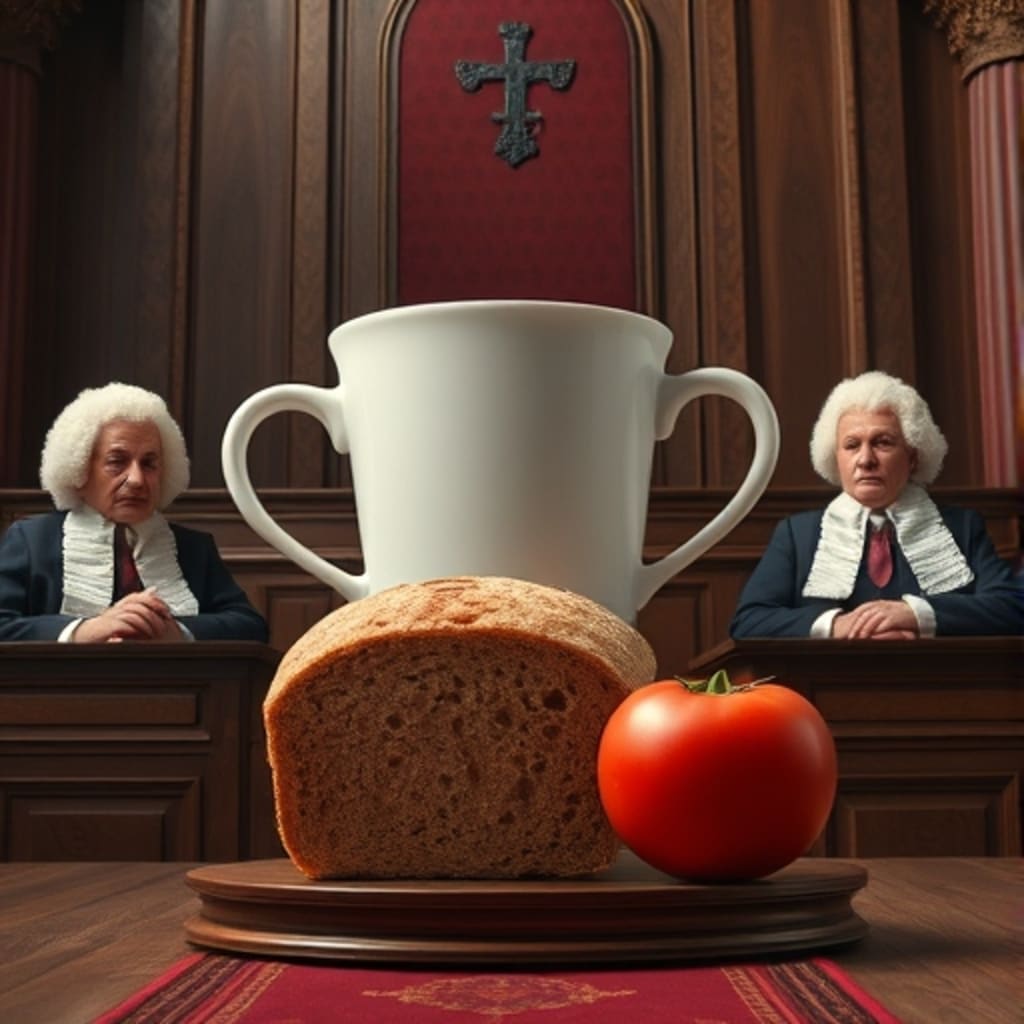
Imagine waking up to a world where your favorite foods were banned. No coffee, no chocolate, no tomatoes—sounds like a dystopia, right? But believe it or not, some of our favorite foods were once considered so scandalous or dangerous that they were outright illegal. Let’s dive into the hilariously absurd histories of nine foods that had to fight for their place on our plates.
1. Coffee: The Rebel's Brew
“Caffeinate responsibly, or else!”

Coffee has been banned in various times and places, from 16th-century Mecca to 18th-century Sweden. Authorities claimed it incited rebellion (fair—nothing rallies people like a lack of caffeine). In Sweden, coffee cups were confiscated and destroyed, as if that would stop the caffeine-deprived masses.
Fun Fact: King Gustav III of Sweden tried to prove coffee was deadly by forcing convicted criminals to drink it daily. Spoiler: the coffee drinkers outlived him.
2. Tomatoes: The Poisonous Apple
“Ketchup wasn’t always cool.”

Tomatoes were once feared in Europe because aristocrats believed they were poisonous. The real culprit? The lead plates they used to eat from, which reacted with the tomato’s acidity. Instead of blaming the plates, they canceled tomatoes.
Fun Fact: Tomatoes earned the nickname "poison apples," but the real tragedy was all the missed opportunities for pizza.
3. Butter: Banned in Scandinavia
“Spread this, and you’re toast!”

In the 19th century, margarine manufacturers lobbied to make butter illegal in some parts of Scandinavia. The reasoning? It was “too luxurious.” Yes, people once waged a full-blown butter war, and margarine briefly became king.
Fun Fact: Norway even implemented “butter rationing” during this time, sparking outrage among toast enthusiasts.
4. Potatoes: The Suspicious Spuds
“Spud you later—on trial.”

In 18th-century France, potatoes were banned because people believed they caused leprosy. Enter Antoine-Augustin Parmentier, who held lavish potato parties to prove they were safe. His PR campaign worked, and potatoes became a French staple.
Fun Fact: Parmentier’s strategy included hiring guards to "protect" his potato fields, making them seem so valuable that thieves couldn’t resist stealing—and eating—them.
5. Chocolate: The Devil’s Candy
“Sweet, sinful, and scandalous.”

Chocolate was banned by the Catholic Church in the 16th century because it was believed to incite sinful thoughts. Drinking chocolate was considered so sensual that religious leaders claimed it led to moral corruption.
Fun Fact: Some nuns even lobbied for chocolate to be allowed in convents because, honestly, who doesn’t need a chocolate break?
6. Lobster: The Prisoner’s Feast
“From prison food to gourmet dish.”

In colonial America, lobster was considered the “cockroach of the sea” and fed only to prisoners and the poor. It was so despised that Massachusetts once had a law limiting how much lobster could be served to inmates. Fast forward to today, and people are happily paying $50 for a lobster roll.
Fun Fact: Lobster shells were even used as fertilizer—because apparently, even crops had better taste than humans back then.
7. Garlic: Vampires Rejoiced
“When your breath was considered criminal.”

Garlic was banned in certain cultures for its strong smell, which was deemed offensive. It was also believed to be an aphrodisiac, leading to its prohibition in places where modesty was prized - the vampires were probably thrilled.
Fun Fact: Ancient Greeks called garlic “stinking rose” but still used it in their Olympic diets for its “strength-enhancing” properties.
8. Absinthe: The Green Fairy's Foodie Cousin
“A drink so dangerous it got its own ban.”

Absinthe isn’t technically a food, but it deserves a shoutout. In the 19th century, it was banned in many countries due to its alleged hallucinogenic properties. This also led to the banning of absinthe-flavored foods and desserts, because apparently, one sip could turn you into Van Gogh.
Fun Fact: Modern absinthe doesn’t contain hallucinogens, so feel free to sip responsibly—but don’t eat the spoon.
9. Cheese: The Stinky Scandal
“Smelly but criminally delicious.”

In medieval England, certain cheeses were banned for their overpowering smell. The government feared they might disrupt public order—because nothing says “riot” like a whiff of stinky Camembert.
Fun Fact: Today, some smelly cheeses like Casu Marzu (infested with live maggots) are still illegal in many places.
Parting Shot
So there you have it—a buffet of foods that once lived on the wrong side of the law. The next time you sip your coffee, bite into a tomato, or slather butter on your toast, take a moment to appreciate how far we've come. And remember, if anyone tries to take away your favorite snack, fight for it. Because history has proven one thing: the stomach always wins.
About the Creator
Julius Thandi
I’m here to share quirky listicles that’ll make you laugh, scratch your head, and probably question reality. From bizarre historical facts to weird science, if it’s strange, it’s on my list. Buckle up – it’s gonna be a weird ride!
Keep reading
More stories from Julius Thandi and writers in Feast and other communities.
9 Surprisingly Dangerous Everyday Objects
Everyday objects are supposed to make our lives easier, but some of them are low-key plotting against us. From items you use daily to things you trust with your life, these seemingly harmless objects are more dangerous than they appear. Brace yourself for a hilarious yet slightly unsettling journey through your home as we uncover the hidden assassins lurking in plain sight.
By Julius Thandiabout a year ago in Humor
Cold Dish Recipes
Cold dishes are the unsung heroes of any great meal—they awaken the palate, balance rich flavors, and offer refreshing contrast. These ten recipes transform simple ingredients into extraordinary creations that will have everyone reaching for seconds. Best of all, they're incredibly simple to prepare. Let's dive in!
By yue . shui4 days ago in Feast
If meals are planned well, Ramadan is actually a great time to lose weight in a healthy way.
If meals are planned well, Ramadan is actually a great time to lose weight in a healthy way. The key is choosing the right foods for Sehri (Suhoor) and Iftar and avoiding overeating, as fasting already limits eating hours. Here is a straightforward guide to losing weight during Ramadan.
By Farida Kabir5 days ago in Feast
Writing To Succeed
If you want to find something that will help readers find your writing, possibly expand your audience, and maybe even get you noticed for other things, then you’re not alone. But how can you get it done in a world full of want-to-be writers? Look less at what you’re writing now, and more at what other writers have used to boost their views and reads.
By Jason Ray Morton 3 days ago in Writers



Comments (1)
You could ban coffee for me unless I could smell it. Hate the taste, love the smell. Some of these are absurd! Enjoyed reading about them though.