
7 Spices That Are Good For Your Health
All spices enhance food, but some are healthier than others.

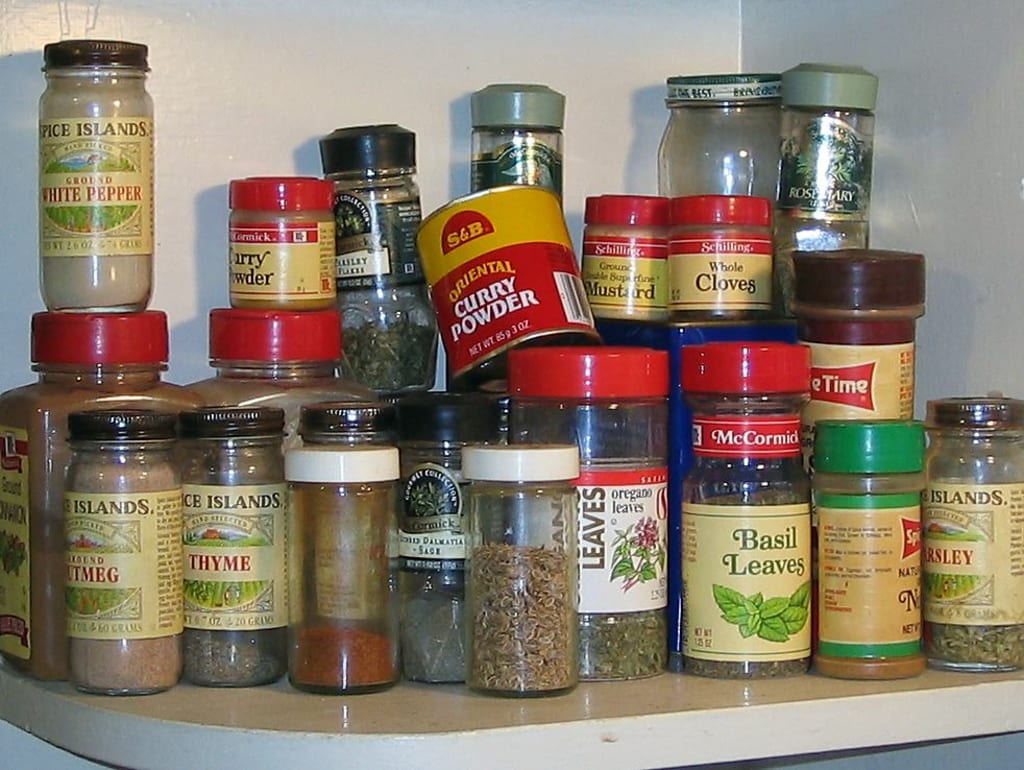
Your shelf or spice rack might be full of spices that you use once in a while to enhance your food. There are some spices you should use on a regular basis to not once spice up your food, but also to spice up your health.
With over 100 common spices that can be used in cooking to make foods more favorable, it might be hard to determine which spices you should use. Diane Vizthum, M.S., R.D., research nutritionist for the Johns Hopkins University School of Medicine, suggests that you should use spices that have therapeutic properties.
Even though there are many spices with some health benefits, the following spices appear on almost every list of the healthiest spices.

1. Black Pepper
It might surprise you that black pepper is known as the “King of Spices.” Many years ago, only wealthy people could afford to buy black pepper. It was considered more valuable than gold. The active ingredient in black pepper is piperine that stimulates taste buds and gives the pancreas the signal to produce digestive enzymes. People who eat black pepper almost never suffer from constipation and other GI issues. That's because black pepper helps to move food through the digestive tract.
Black pepper may also help to prevent or treat cancer, help with depression, reduce high blood pressure, aid with smoking addiction, and reduce the risk of thyroid problems. I must be very healthy because I drown my food in black pepper, including eggs, meat, seafood, vegetables, beans, soups, stews, salads, and in almost everything I eat except desserts.

2. Cayenne Pepper
Cayenne peppers are a type of chili peppers. That means they are hot and spicy because they contain capsaicin. The capsaicin helps to boost metabolism because of the heat it produces in the body. The spice helps to reduce pain caused by arthritis and diabetes-related nerve damage and pain related to ulcers.
Use cayenne pepper anytime you want to add heat to your foods such as soups, stews, and meats.

3. Cinnamon
Cinnamon is very beneficial to those who have Type 2 diabetes. The spice is one of the best ingredients for regulating blood sugar levels. In fact, there are cinnamon pills on the market for that purpose. Cinnamon is so versatile that it has been known to decrease cholesterol levels, reduce the risk of stroke, cancer, and blood poisoning. As an added bonus, cinnamon can also help reduce sugar cravings. Add cinnamon to cereal, baked sweet potatoes, baked apples, yogurt, stews and chilis, coffee, and tea.

4. Garlic
Garlic has a strong odor, but eating it may protect you from the risk of heart disease and strokes. Garlic is versatile and can be used in savory dishes, stews, soups, vegetables, salads, on bread, and on meats.

5. Ginger
Ginger is extremely helpful when a person has symptoms of nausea that come from motion sickness or morning sickness. Studies have shown that the spice also helps to treat an upset stomach and diarrhea. Additionally, ginger helps to reduce arthritis pain, migraines. asthma and heartburn. The ginger root can be grated into hot water and made into a healthy tea. Add the powder to your diet by putting it in stir-fry dishes, salad dressings, and baked goods. Ginger can be added to roasted sweet potatoes, applesauce, and soups. You can also add it to smoothies and teas.
Ginger comes in candies, capsules, and teas. Many consumers simply purchase the dried powder from the spice aisle in their local grocery store instead of buying the root and grating it.

6. Nutmeg
Nutmeg is a flavorful spice known to reduce cholesterol, depression, and anxiety. It can improve memory and sexual desire. Nutmeg can be used for arthritis pain, headaches, and stomach pain. It is a natural sedative that helps people sleep better when consumed before bedtime.
Nutmeg can be used in potatoes au gratin, garam masala, and mulled cider recipes. Add nutmeg to thick soups, curries, hot cocoa, eggnog, and custards. Nutmeg cuts through the fat of milk and cheese when it is added to a dairy recipe.

7. Turmeric
There is a long list of health benefits of turmeric. The spice fights inflammation in the brain that is linked to depression and Alzheimer’s disease. It is effective in reducing pain and swelling in people with arthritis because it contains a substance called curcumin.
Turmeric is also known to prevent or slow down different kinds of cancer, diabetes, depression, and digestive issues. You can use it to relieve headaches, reduce allergy symptoms, help wounds heal quicker, and clear up bad skin issues.
Add turmeric to your diet by putting it on meat, roasted vegetables, in salad dressings, soup, rice, and tacos. If you don't have turmeric on your spice rack, eat yellow mustard because it contains turmeric.

Beverage Made With Healthy Spices
Here is a recipe that includes some of the spices listed above. Heat ½ cup water and 1 cup milk. Add ¼ teaspoon turmeric, a dash of black pepper, ¼ teaspoon cinnamon, ¼ teaspoon nutmeg, and ¼ teaspoon ginger. It is optional to add a teaspoon of maple syrup or honey to sweeten the beverage. You may add a teaspoon of ghee or coconut oil for more healthy fat.
Bring the mixture to a boil. Then simmer for 10-15 minutes. Pour into a mug, and let the drink cool. Sip and enjoy the variety of flavors from the spices. It is very beneficial to drink the beverage at night before bedtime. It will help you to sleep better, reduce inflammation, balance blood sugar, reduce cravings, and improve digestion.
Disclaimer
The content in this article is accurate and true to the best of the author’s knowledge and does not substitute for diagnosis, prognosis, treatment, prescription, or dietary advice from a licensed health professional.
About the Creator
Margaret Minnicks
Margaret Minnicks has a bachelor's degree in English. She is an ordained minister with two master's degrees in theology and Christian education. She has been an online writer for over 15 years. Thanks for reading and sending TIPS her way.
Keep reading
More stories from Margaret Minnicks and writers in Feast and other communities.
13 Reasons You Should Eat Grapes
You might not know as much about grapes as you think you do. For instance, do you know that grapes are good for you, whether you eat them fresh or frozen? Do you know which color is healthier than the others? Do you know why you should be eating more grapes?
By Margaret Minnicks5 years ago in Feast
My Tous les Jours Trip
As someone who lives in a rural area, I don't get the chance to visit fancy restaurants or bakeries that often. So, when a friend told me about a French-Asian bakery that's less than an hour away, I knew I had to check it out and grab some pictures for social media. Tous les Jours ended up providing an immersive experience that went above and beyond my expectations--although I did leave with a few reservations.
By Kaitlin Shanks18 days ago in Feast
New Ways to Save on the Grocery Budget
With rising grocery prices and stagnant wages, it is time for many people to return to some old tried and true ways of saving money on groceries. While shopping sales and clipping coupons are great choices, there are some other ways that can help you to stretch your grocery budget.
By Brandi Brown4 days ago in Feast



Comments
There are no comments for this story
Be the first to respond and start the conversation.