
5 Common Mistakes to Avoid When Cooking Low Calorie Noodles
Perfect Your Low-Calorie Noodle Dishes and Avoid These Common Pitfalls
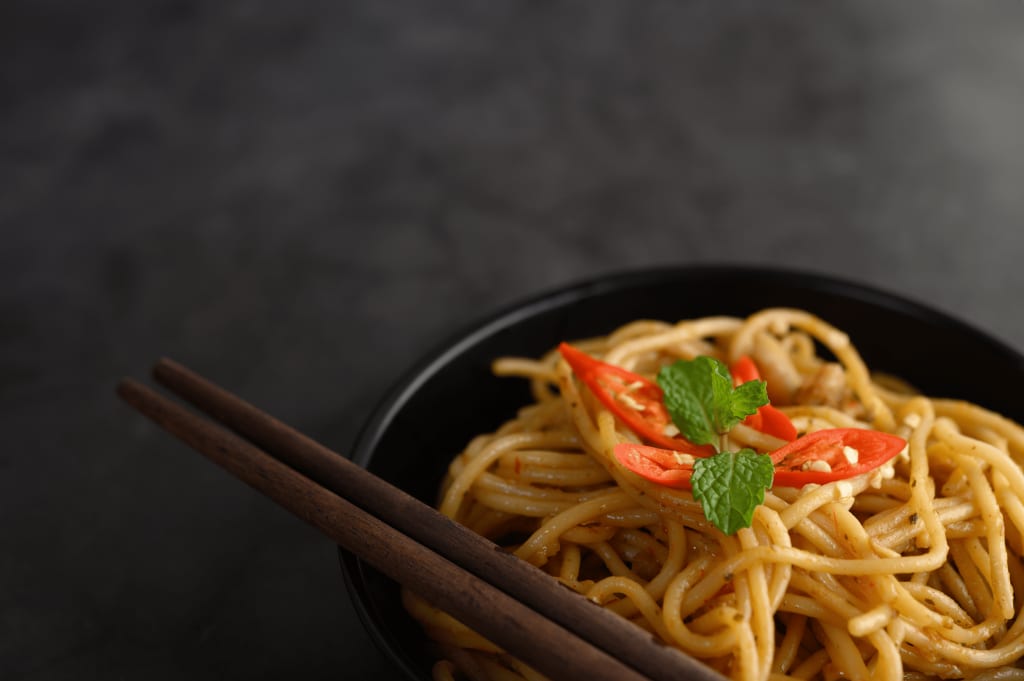
Low-calorie noodles have become a popular choice for those looking to enjoy their favorite dishes while keeping their caloric intake in check. However, preparing these noodles can sometimes be tricky, leading to less-than-satisfying results. To help you avoid these pitfalls, here are five common mistakes to steer clear of when cooking low-calorie noodles.
1. Overcooking the Noodles
Overcooking is one of the most common mistakes made when preparing low-calorie noodles. Unlike traditional pasta, many low-calorie noodles, such as konjac noodles, require minimal cooking time. Overcooking can result in a mushy texture that’s far from appetizing.
Solution: Follow the package instructions carefully and keep a close eye on the noodles as they cook. For konjac noodles, which are often pre-cooked, a quick rinse and brief heating are usually sufficient. If you're cooking from scratch, be sure to test the noodles a minute or two before the suggested cooking time to ensure they retain a pleasant texture.
2. Not Properly Rinsing the Noodles
Low-calorie noodles, particularly those made from konjac, are often packaged in a liquid that has a distinctive odor. Failing to properly rinse and drain the noodles can leave your dish with an unpleasant taste.
Solution: Always rinse low calorie noodles thoroughly under cold water before cooking. This not only helps to remove any unwanted odor but also prepares the noodles to better absorb the flavors of the dish you're making. For best results, rinse for at least a minute, then drain well.
3. Skimping on Flavor
One of the most significant challenges with low-calorie noodles is their lack of flavor. Because they’re often made from konjac or other low-calorie bases, these noodles can be quite bland on their own. This means they need additional seasoning and ingredients to make the dish flavorful.
Solution: Be generous with your seasonings and sauces. Adding herbs, spices, and umami-rich ingredients like soy sauce, garlic, ginger, or chili paste can elevate the taste of your noodles. Additionally, pairing them with flavorful low-calorie foods such as fresh vegetables, lean proteins, or a rich broth can create a more satisfying and well-rounded meal.
4. Ignoring Portion Control
Although low-calorie noodles are a great option for reducing calorie intake, it’s still essential to consider portion sizes. It’s easy to overeat when consuming a dish that’s perceived as “healthy,” especially when adding high-calorie toppings or sides.
Solution: Practice mindful eating by measuring out your portions. Stick to recommended serving sizes and pair your noodles with nutrient-dense, low calorie foods like steamed vegetables, lean proteins, or a light salad. This approach will help you maintain a balanced diet while still enjoying a delicious, low-calorie meal.
5. Failing to Adapt Cooking Techniques
Cooking low-calorie noodles often requires different techniques compared to traditional pasta. For example, konjac noodles don’t absorb sauces in the same way as wheat-based pasta, so the cooking method may need to be adjusted.
Solution: Adapt your cooking techniques based on the type of low-calorie noodles you're using. If the noodles don’t absorb sauce well, consider using a thicker or more robust sauce that can cling to the noodles. Alternatively, you might want to briefly sauté the noodles in a bit of oil to help them absorb more flavor before adding them to your dish. Understanding the specific characteristics of the noodles you’re cooking with will allow you to tailor your recipes for better results.
Additional Tips for Cooking Low-Calorie Noodles
Experiment with Different Varieties: Not all low-calorie noodles are the same. Try different types like konjac noodles, zucchini noodles, or shirataki noodles to find the texture and flavor you prefer.
Use High-Quality Ingredients: The quality of your other ingredients can significantly impact the final dish. Fresh vegetables, high-quality sauces, and well-seasoned proteins can make all the difference.
Balance Your Meals: While low-calorie noodles are a great base, make sure to balance your meal with other nutrient-dense ingredients. This will help you stay full and satisfied while keeping the overall calorie count low.
Conclusion
Cooking with low-calorie noodles can be a delicious and healthy way to enjoy your favorite pasta dishes while sticking to your dietary goals. By avoiding common mistakes such as overcooking, skimping on flavor, and not adjusting your cooking techniques, you can create meals that are not only low in calories but also full of flavor and satisfaction. Keep these tips in mind, and you'll be well on your way to mastering the art of cooking low-calorie noodles. Enjoy the journey to healthier eating!
About the Creator
Keep reading
More stories from Ellie Smith and writers in Feast and other communities.
Why Chilled Ready Meals Are the Ultimate Time-Saver for Busy Families
In today's fast-paced world, busy families often struggle to juggle work, school, and daily chores. Amidst the chaos, meal planning can become an overwhelming task. However, chilled ready meals have emerged as the perfect solution for families looking to save time without compromising on taste and nutrition. With the rise of convenient, quick, and healthy meal options like low calorie noodles, chilled ready meals have become the ultimate time-saver. In this blog, we explore the benefits of incorporating these meals into your daily routine and how they can enhance family life.
By Ellie Smithabout a year ago in Feast
The food business is undergoing a transformation thanks to gene-edited fungus, which is being considered as a beef substitute.
Compared to the strain now in use, a gene-edited fungus has created meat-like protein that grows more quickly and uses a lot less sugar. These improvements bring one of the earliest meat alternatives in the world closer to competing with animals in terms of scale and efficiency.
By Francis Dami4 days ago in Feast
The Politics of Playing Dress-Up
Well, to start off I'd like to say a happy world book day to all who celebrate. I know I haven't really posted anything on my socials about it but I'm not a jubilant kind of person. I lay low most of the time. Let's start off with a popular anecdote from the vaults...
By Annie Kapur7 days ago in Geeks


Comments
There are no comments for this story
Be the first to respond and start the conversation.