
10 Whole Foods You Should Eat And Why
Boost Your Nutrient Intake Today and everyday!

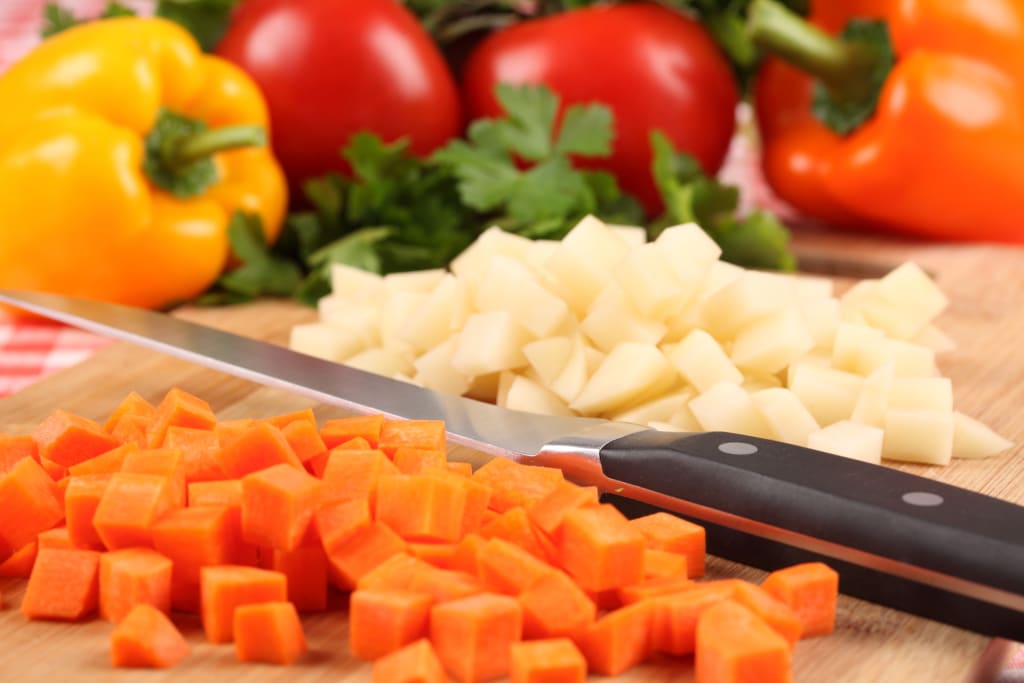
Whole foods are foods that are eaten in their natural state and are unprocessed and unrefined. They do not contain any additives, like, preservatives, chemicals, salt, sugar or fat.
Usually, the term whole foods mainly refers to vegetables, fruits, and whole grains, but, protein can be whole as long as it does not include any processing, for example, a plain chicken breast versus chicken nuggets, or grilled fish versus fish sticks.
The term whole foods should not be confused with organic, because while whole foods can be organic, they are not automatically so.
Processing typically removes all the vital nutrients from foods that they had in their original whole state and so they do not contribute to overall health and wellness as they would had they been eaten in their whole state.
A good example of this is white bread, rice, pasta and other refined grain foods. In processing the components of the whole grain that contain its most valuable nutrients, specifically fiber, are eliminated in milling when the bran and the coat of the grain are removed.
Another important distinction is the fact that processing also adds unnecessary ingredients, like, sugar and fat.
Their Characteristics
Readily Available
Reduce Risk Of Heart Disease
High In Phytonutrients & Antioxidants
Excellent Sources Of Vitamins, Minerals And Fiber
Low In Calories
Mushrooms
Loaded with nutrients and low in calories.
Meaty and filling can substitute for a main dish and cut 400 calories from a meal.
Great source of B vitamins, selenium, potassium, riboflavin, niacin, copper, and vitamin D.
Apples
Contain soluble fiber to lower blood cholesterol and glucose levels.
Vitamin C to help the body form connective tissue and keep the capillaries and blood vessels healthy.
Blueberries
Packed with phytonutrients to prevent heart disease, some cancers and diabetes.
Promote healthy aging and improve short-term memory.
Excellent source of vitamin C and fiber.
Salmon
Packed with heart healthy omega-3 fatty acids.
Helps to prevent sudden cardiac death and lowers triglyceride levels.
Quality protein that is low in cholesterol and saturated fat.
Sweet Potato
High in antioxidant beta carotene that slows the aging process and can reduce the risk of some specific cancers.
Fat-free and relatively low in calories.
Broccoli
Excellent source of vitamin C, vitamin A and fiber.
Low in calories.
Cashews
Good for heart health.
Contain healthy monounsaturated fats that reduce triglyceride levels.
Copper for skin and hair health.
Magnesium for flexibility of bones and joints.
High in disease preventing antioxidants.
Protect from macular degeneration.
Lemons
One lemon has 100% of daily vitamin C requirements that increases "good" HDL cholesterol and helps to strengthen bones.
Flavonoids that inhibit growth of cancer cells and have anti-inflammatory properties.
Spinach
Rich in vitamins A, C and Folate.
Boosts immunity.
Great source of magnesium.
Provides beta carotene and lutein linked to anti-aging and prevention of vision related diseases.
Red Beans
Fantastic source of iron, potassium and phosphorus.
Great source of low fat protein and fiber. Suffice it to say that fish has gained quite a notoriety on the dinner table. Yearning for a low fat, high protein meal? Go for that steamed fish, in fillets or even in whole.
Want a versatile dish to share among eaters of every taste and diet?
Let’s vote for fish then.
The omega-3 fatty acids, or the “good fats” found in fish, a food source, which by now has become also popularly known as brain food, is one of the main reasons that what used to be an ordinary staple, especially in places close to water resources is now considered a much coveted food especially among the more health conscious of us.
When compared to its relatively more high-brow, but a lot more “bad fats” loaded dinner menu contemporary, the red meat, fish is understandably a more preferred request from the kitchen to the dinner table.
Nothing fishy on the health benefits
Nutritional research on the health benefits of fish offer a variety of health impacts on consuming fish on a regular basis, the standard being at least two servings a week. Eating fish regularly is scientifically linked to a reduction in health risks and chronic disorders such as asthma, cardiovascular diseases, diabetes, poor eyesight, prostate cancer, autoimmune diseases and even dementia.
Other health research have also claimed the benefits of eating fish regularly in reducing risks of developing Alzheimer’s disease because eating baked or broiled fish at least once a week helps preserve the ability of brain neurons that are responsible for memory and cognition.
Similarly, having a regular dose of fish in one’s diet develops brain capacity and boosts brain development especially among children.
Different values for different fish types
Not all fish are created equal, in so much the same way as not all of them look the same.
While nearly all varieties of fish contain good fats, vitamin D, riboflavin, phosphorous, calcium and remarkable doses of minerals, such as iodine, magnesium, iron and zinc, certain types of fish are richer in some compounds and are thus more viable meal options depending on specific bodily needs and diet requirements.
The good news is that regardless of the diversity in fish varieties, there are just two main categories or types of fish: white and oily.
White fish
White fish can be easily identified through their color, meaning those which have meat that are whitish or fair in color. Compared to other fish types, white fish are relatively more lean and firm and contain less oil compared to the oily fish types.
White fish are usually saltwater fish with oil compounds concentrated mainly in the liver.
Examples of white fish are:
• Bass
• Cod
• Cat fish
• Dory
• Flatfish
• Haddock
• Red mullet
• Snapper
White fish are low in fat and rich in protein, but not much omega-3 healthy fats compared to oily fish. So if you only need protein, then by all means go for white fish.
If your goal for incorporating fish in your diet, however, is to get as much omega-3s as possible, opt for oily fish instead.
Oily fish
Unlike white fish, which has limited oil content, oily fish contains oil throughout their flesh and in the belly cavity. As a result, oily fish have higher amounts of omega-3 fatty acids and considerably more vitamins A and D content as well. However, oily fish are higher in energy and have more caloric amount.
Oily fish include small forage fish such as:
• Anchovies
• Herring
• Sardines
Larger pelagic varieties:
• Salmon
• Fresh tuna
• Trout
• Mackerel
Because the human body alone cannot produce omega-3 fatty acids, it is recommended that we source this good fat by consuming at least one or better yet two servings of oily fish every week.
Calories
Fish is a truly quality source of protein, and when compared to red meat, and even chicken and turkey it is very low in calories, it is really nature’s perfect food. Fish is truly healthy weight management’s best friend.
Cooking Fish
When preparing fish, regardless if they are of the oily or white type, it is important to also consider ideal cooking methods that will preserve the nutrients and good fats found in fish.
The gold standard is to avoid processed fish as much as possible—fresh tuna, for example, loses its omega-3 fatty acids when processed and canned—and cooking fish through the frying method.
It is best to bake, grill, or steam fish to preserve its nutrients and health benefits.
Poaching can also be used as a method, except for flaky oily fish types, which, are most likely to disintegrate when poached.
When frying is unavoidable, opt for shallow frying and use healthy varieties of cooking oil made from vegetables or grains, this includes, olive, coconut and canola oils.
It is important to note that fish sticks and fried fish is not healthy and is not considered whole food.
About the Creator
Kennedy Jones
the creator, Owner, researcher & Publisher of Southern Red Press, a Lifestyles research & publishing firm ,based in Oklahoma, I’m an 8 time Stroke survivor, now with limited use of my left arm & leg, - https://www.kennedyjones.works
Keep reading
More stories from Kennedy Jones and writers in Feast and other communities.
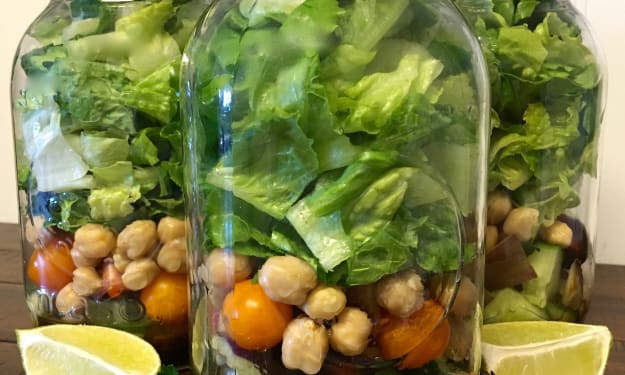
Garden Veggie Mason Jar Salad with Homemade Dressing
Hey folks, Mr. Foodie here with another great, easy, and cost effective recipe. Being raised on 4 different farms, 1 our family farm and 2 farms of my grandparents and 1 of great grandparents, I am very familiar with the use of mason jars to store food items. When I was a young lad, I helped my family operate several truck patches, that delivered bulk fresh produce to local IGA’s. so, it is easy for me to create recipes that I’m able to serve straight out of a jar. This is perfect for a busy family, who can serve a delicious, well prepared salad on demand. Almost all the vegetable and herb ingredients, I was able to use from my garden, making it a cost-effective meal. I like my salads crunchy, so I always keep salted shelled sunflower seeds handy, to dust the top at the time of serving
By Kennedy Jones6 years ago in Feast
If meals are planned well, Ramadan is actually a great time to lose weight in a healthy way.
If meals are planned well, Ramadan is actually a great time to lose weight in a healthy way. The key is choosing the right foods for Sehri (Suhoor) and Iftar and avoiding overeating, as fasting already limits eating hours. Here is a straightforward guide to losing weight during Ramadan.
By Farida Kabir7 days ago in Feast
Crispy, Buttery Tarts with the Aromatic Sweetness of Fresh Fruits
Tarts are a type of baked good with European origins that have gained worldwide popularity. Their unique characteristic is a crisp, buttery pastry shell filled with a variety of flavors, whether it's smooth custard, luscious fresh cream, or sweet and tangy fresh fruits. Taking a bite of a tart offers a combination of crunch, creamy richness, and the refreshing taste of the filling all at once. For those who enjoy baking, making tarts at home is not as difficult as it might seem. Simply understanding the basic components and steps allows you to create these delightful little bites of deliciousness.
By Kenneth Ethan Carl8 days ago in Feast
Lycan Lore
As the students of my 10am mythology class take their seats, I decide to steer the day's curriculum away from Greek and dive into a Western European discourse on the misaligned beliefs of the Werewolf. A tale of truth or fiction. No one really knows.
By Lamar Wigginsabout 3 hours ago in Fiction


Comments
There are no comments for this story
Be the first to respond and start the conversation.