
Why Does France Have More Castles Than Any Other Country? History, Secrets, and Curiosities
Discover the historical, cultural and strategic reasons behind France's more than 45,000 castles.
Why Does France Have More Castles Than Any Other Country? History, Secrets, and Curiosities
1. Introduction: The Rich History of France's Castles
When you think of France, the image of majestic castles may immediately come to mind. From the towering Château de Versailles to the fairy-tale-like Château de Chambord, France is renowned for having more castles than any other country in the world. But why does this country, more than any other, boast such a vast and varied collection of fortresses, palaces, and royal estates? The answer lies deep in the history of France. French castles were not only symbols of military power but also testaments to the grandeur of French monarchs, aristocrats, and political figures throughout the centuries. Today, these castles offer us a glimpse into a bygone era and serve as cultural landmarks that attract millions of visitors from around the globe. This article will explore the fascinating history, secrets, and curiosities surrounding the castles of France, offering insight into why they hold such a prominent place in French culture and history.
2. The Evolution of Castles in France: From Fortresses to Palaces
The development of castles in France can be traced back to the early Middle Ages when they first emerged as fortresses to protect territories from invasions and raids. These early castles were often built on strategic locations, such as hilltops or along rivers, to offer both defense and control over the surrounding area. The design of these fortresses was simple yet effective, with high walls, drawbridges, and moats acting as protective features against attackers.
As time passed, the role of castles evolved. By the 14th and 15th centuries, as the feudal system began to decline and France experienced relative peace, the once-defensive structures were transformed into luxurious residences for the aristocracy and royal families. With the rise of the Renaissance, castles became grandiose, showcasing the wealth and power of their owners. French kings and nobles invested heavily in the construction of stunning palaces, featuring intricate architectural details, expansive gardens, and opulent interiors. The transition from military fortresses to cultural symbols marks a significant period in the evolution of French castles.
3. Why France Has More Castles Than Any Other Country
France’s abundance of castles can be attributed to several factors, ranging from its historical development to its geographical advantages. Firstly, the feudal system that dominated much of medieval Europe played a major role in the construction of castles throughout France. Unlike many other countries, France had a decentralized political system for much of the Middle Ages. This meant that various lords, dukes, and barons were responsible for building their own castles to protect their territories, leading to a high concentration of castles across the country.
Additionally, France’s geographical landscape made it an ideal location for castle construction. The country is blessed with diverse terrain, from the rocky hilltops of the Loire Valley to the rolling hills of Normandy, providing the perfect natural defense for fortresses. Many castles were built strategically in areas that would offer an advantage during times of conflict, while others were situated in picturesque locations to reflect the wealth and status of their owners.
Moreover, France’s long history of monarchy and aristocracy contributed to the proliferation of castles. As the French monarchy expanded and centralized its power, kings and nobles built magnificent castles to solidify their authority and demonstrate their grandeur. The legacy of royal patronage in the arts and architecture ensured that France would have more castles than any other country.
4. The Types of Castles in France
French castles are incredibly diverse, varying in style, function, and age. While they all share certain characteristics, such as imposing walls and dramatic turrets, they can be categorized into several distinct types. Each type of castle tells its own unique story, reflecting the changing political, social, and artistic landscapes of France over the centuries.
4.1. Fortified Castles
The earliest castles in France were primarily military fortifications designed to protect against enemy attacks. These fortified castles, or "châteaux forts," were typically constructed during the medieval period and featured thick stone walls, drawbridges, and fortified gates. They were strategically placed in locations that offered natural defenses, such as hills, cliffs, or riverbanks. Some of the most famous examples of fortified castles in France include the Château de Carcassonne and the Château de Vincennes.
4.2. Royal Castles
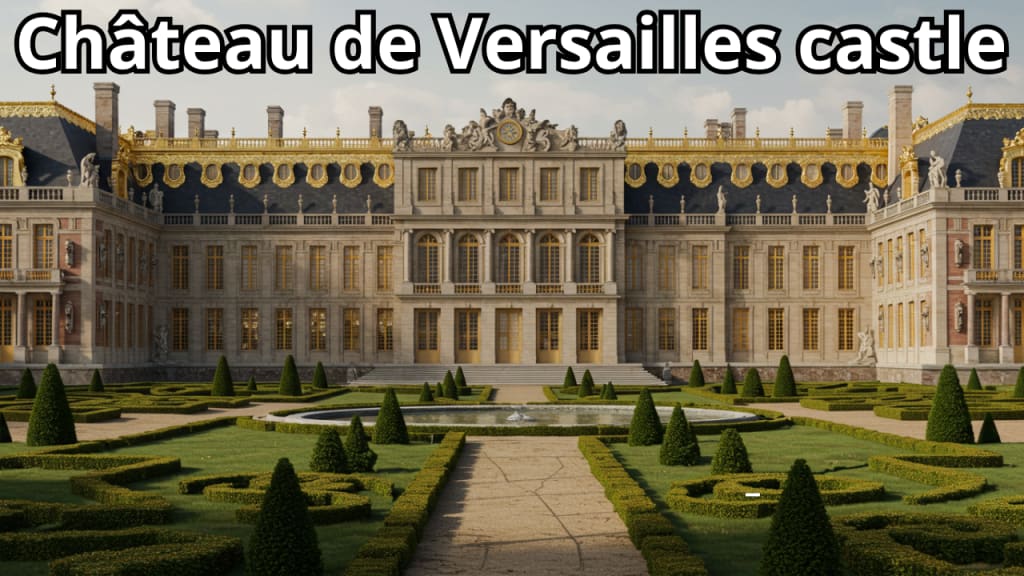
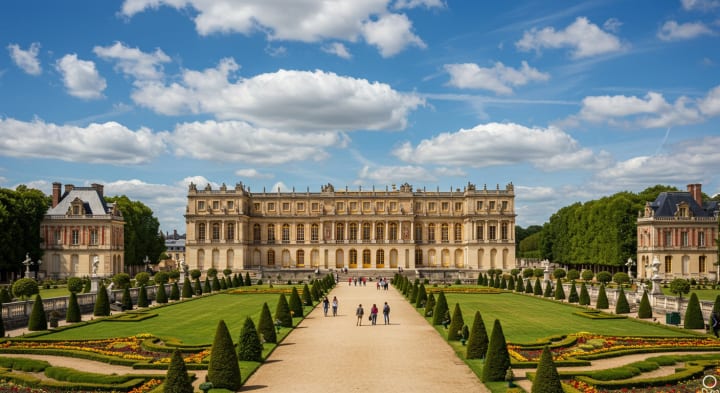
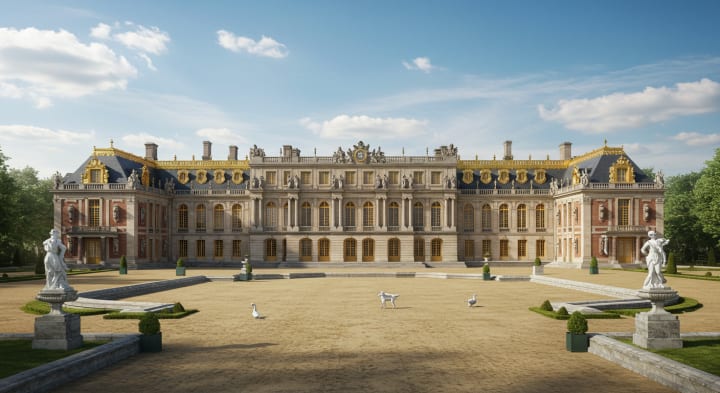
Royal castles were the grand residences of French kings and queens, serving as centers of power and court life. These castles were often located near major cities, such as Paris, and were designed to reflect the wealth and authority of the monarchy. The Château de Versailles, perhaps the most famous royal castle in France, is a prime example of this type of structure. Its opulent gardens, lavish interiors, and expansive grounds made it a symbol of French royal power.
4.3. Châteaux de Style Renaissance
During the Renaissance period, French castles underwent a significant transformation, evolving into more refined and elegant structures. The châteaux built during this time were characterized by their intricate architectural details, symmetrical designs, and decorative elements such as turrets and ornate facades. The Château de Chambord is a notable example of Renaissance architecture, with its iconic double-helix staircase and stunning facade.
4.4. Medieval Castles
Medieval castles in France are typically older structures, dating back to the 11th and 12th centuries. These castles were built for defense, often featuring high towers, battlements, and fortified walls. While many medieval castles have been altered over the centuries, some, like the Château de Fougères, have maintained their original appearance. These castles often evoke a sense of mystery and romanticism, offering a glimpse into the past.
4.5. Abandoned Castles
In addition to the well-preserved castles, France is also home to many abandoned castles that have fallen into ruin over the centuries. These castles, often located in remote areas, can have a haunting beauty, with ivy-covered walls and crumbling towers. Some abandoned castles, such as the Château de la Rochefoucauld, have become popular destinations for adventurers and history enthusiasts.
5. The Role of Castles in French History
Castles played an integral role in the shaping of French history, particularly during the Middle Ages and the Renaissance. They were not only military structures but also centers of political and social power, often serving as the residences of nobility and royalty. The influence of castles can be seen in various aspects of French history, from military conquests to the development of the arts.
5.1. Military Importance in the Middle Ages
During the feudal period, castles were crucial for defense against invasions and raids. Lords and barons built castles to protect their territories and exert control over the surrounding regions. The castles also served as symbols of authority and power, with each lord vying for dominance over the others. Many of France’s most famous castles, such as the Château de Chinon and the Château de Loches, were key military strongholds during this time.
5.2. Symbols of Power and Prestige
As France’s monarchy expanded and solidified its power, castles became symbols of royal authority and prestige. Kings and queens commissioned the construction of grand palaces to reflect their wealth and power, and these castles were often the center of political and cultural life. The Château de Versailles, with its lavish halls and gardens, became the ultimate expression of royal grandeur and a symbol of France’s cultural dominance.
5.3. Cultural and Economic Influence
Castles in France also played a significant role in the development of the country’s cultural and economic life. They served as centers of artistic patronage, where renowned artists, musicians, and writers were commissioned to create works of art for the royal court. The opulent interiors and sprawling grounds of castles like the Château de Fontainebleau and the Château de Chantilly became a haven for artists and intellectuals during the Renaissance, influencing the cultural development of France.
6. The Architecture of French Castles: A Journey Through Time
The architecture of French castles is as varied as their history. Over the centuries, the design of castles in France evolved to reflect the changing tastes and technological advancements of the time. From the fortress-like structures of the Middle Ages to the ornate palaces of the Renaissance, French castles showcase a blend of architectural styles that span centuries of history.
6.1. Romanesque and Gothic Influences
Many of the earliest castles in France were built in the Romanesque or Gothic style, characterized by their heavy stone construction, arched windows, and towering spires. These castles were designed for defense, with thick walls and narrow windows to provide protection against attacks. The Château de Vincennes, with its sturdy walls and imposing keep, is an excellent example of a Romanesque castle.
6.2. Renaissance and Baroque Designs
The Renaissance period marked a dramatic shift in the design of French castles. During this time, castles began to be built with a focus on aesthetics and comfort, incorporating features such as symmetrical designs, expansive courtyards, and intricate facades. The Château de Chambord, with its iconic French Renaissance style, is a prime example of this architectural evolution. Similarly, Baroque castles, like the Château de Fontainebleau, were characterized by their ornate decorations, grand staircases, and expansive gardens.
6.3. The Changing Aesthetics Over Centuries
As France entered the 18th and 19th centuries, the design of castles continued to evolve. The neoclassical style, with its emphasis on simplicity and symmetry, influenced the construction of castles during this period. However, by the 19th century, many of the older castles began to fall into disrepair, and efforts to restore and preserve them began in earnest.
Conclusion: The Enduring Legacy of France’s Castles
France’s vast collection of castles is a testament to the country’s rich history, cultural heritage, and architectural ingenuity. From their origins as military fortifications to their transformation into royal palaces and cultural landmarks, French castles have played a crucial role in shaping the country’s identity. Today, they stand as enduring symbols of France’s past, drawing millions of visitors each year who seek to explore their history, secrets, and beauty. As we continue to preserve these iconic structures, we ensure that future generations will be able to experience the wonder and mystery of France’s castles, keeping the stories of the past alive for centuries to come.
About the Creator
Keep reading
More stories from Vera Marçoli and writers in Families and other communities.
Wise~Guys
— Look Behind what's in Front of You ~ Make Good Choices — Hey, So how you Doin'..! Made~Men — Mobster Movies romanticise a distinctive, elegant appearance, impeccable attire style, along with the 'Families' expressive lingo. Making their 'Bones' gave them Panache — with vintage fedoras, tailored pin-striped suits, mirror-polished wing-tip shoes adorned with tassels; with their 'Gun Moll' gorgeous dates on their arms.
By Jay Kantor18 days ago in Families


Comments
There are no comments for this story
Be the first to respond and start the conversation.