
Louvre Beyond the Mona Lisa: Hidden Works and Mysteries of the World's Largest Museum
The Louvre's Allure and Its Hidden Gems
Louvre Beyond the Mona Lisa: Hidden Works and Mysteries of the World's Largest Museum
The Louvre's Allure and Its Hidden Gems
The Louvre, famously home to the Mona Lisa, is far more than just the world’s largest museum; it is a treasure trove of art, history, and hidden mysteries. While Leonardo da Vinci’s famous portrait of Lisa Gherardini has drawn millions to Paris, the Louvre is bursting with lesser-known works that tell even deeper, more fascinating stories. Many visitors are so focused on the Mona Lisa that they miss the obscure masterpieces tucked away in its vast collection. Let's venture beyond the crowds and dive into some of the most intriguing works and mysteries the Louvre has to offer.
The Louvre: A Monument to History
The Louvre, located on the banks of the River Seine, is a historical monument as much as it is an art museum. Originally built as a fortress in the late 12th century by King Philip II, it has evolved through the ages, from a royal palace to a public museum during the French Revolution. Its collection spans thousands of years, covering everything from ancient Egyptian artifacts to Renaissance masterpieces. As such, the Louvre stands as a symbol of France’s rich history, art, and culture.
Why The Mona Lisa Overshadows Other Masterpieces
Leonardo da Vinci’s Mona Lisa has undoubtedly become the most famous piece at the Louvre. Its enigmatic smile, mysterious identity, and captivating history have intrigued art lovers and casual tourists alike. However, as millions rush to see the Mona Lisa, there are hidden gems that deserve attention. It’s easy to overlook the smaller, less famous works, but they hold stories and artistic innovation that rival even the Mona Lisa itself.
The Winged Victory of Samothrace: A Masterpiece in Motion
One of the museum’s most awe-inspiring sculptures, the Winged Victory of Samothrace, often gets less attention compared to its more famous neighbor, the Mona Lisa. This Hellenistic sculpture, depicting the goddess Nike in mid-flight, stands at the top of a grand staircase. The dynamic pose and sense of motion give the statue a sense of life, and the intricate detailing of the wings and flowing garments evoke a feeling of both grace and power. Despite its remarkable appearance, the history of its discovery is just as captivating as the artwork itself.
The Venus de Milo: The Mystery of the Missing Arms
Another iconic piece housed in the Louvre is the Venus de Milo, a stunning ancient Greek statue believed to depict Aphrodite, the goddess of love. The missing arms have long been the subject of speculation and debate. How did they break off? Did they hold a prop, like a mirror or an apple? Was the statue once part of a larger tableau? The mystery surrounding her lost limbs continues to intrigue both art historians and casual visitors.
The Code of Hammurabi: An Ancient Legal Wonder
Not all of the Louvre’s wonders are artworks in the traditional sense. The Code of Hammurabi, one of the oldest deciphered writings in the world, is a stone pillar inscribed with Babylonian law from ancient Mesopotamia. This artifact provides a glimpse into one of the earliest systems of justice, showing how laws were codified over 3,700 years ago. The stele, located in the Near Eastern Antiquities department, stands as a testament to the sophistication of early civilizations.
The Dying Slave by Michelangelo: A Study of Human Emotion
Michelangelo's Dying Slave, a powerful marble statue that portrays a man in agony, is one of the most intense works of art in the Louvre. Carved during the Renaissance, the statue reflects the emotional depth and psychological complexity of the human condition. While it is often overshadowed by his more famous works like the David or the Sistine Chapel, this piece shows the artist’s incredible ability to capture suffering and vulnerability.
The Secret Rooms and Hidden Treasures of the Louvre
Many visitors to the Louvre are unaware that the museum holds secret rooms and hidden spaces, away from the public eye. One of the most fascinating aspects of the museum’s history is its hidden chambers, where valuable works of art and ancient artifacts are stored for preservation. Some of these items have yet to be fully examined by experts and may reveal even more of the Louvre’s untold stories in the future.
The Mysterious 'Louvre Pyramid' and Its Controversy
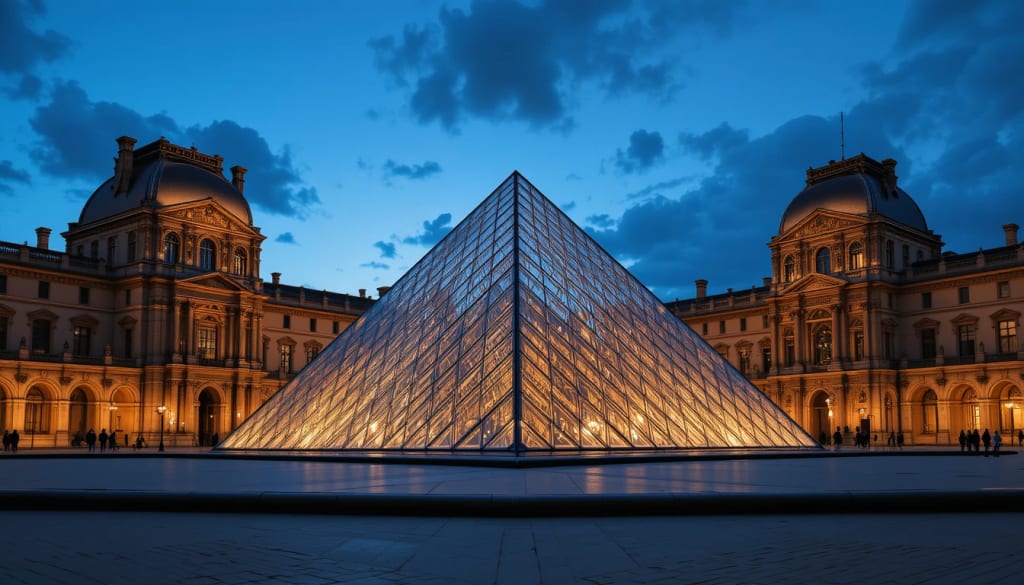
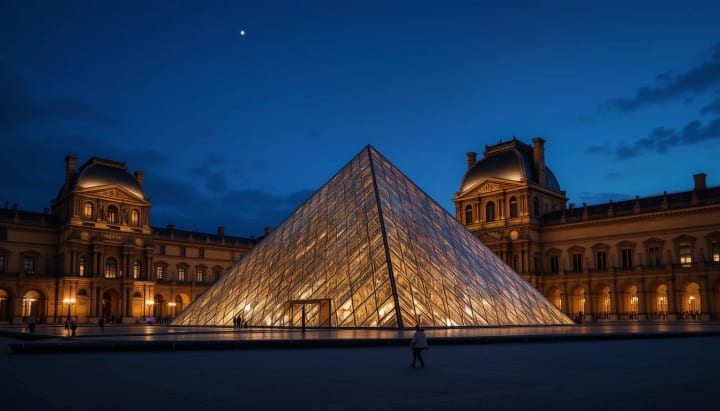
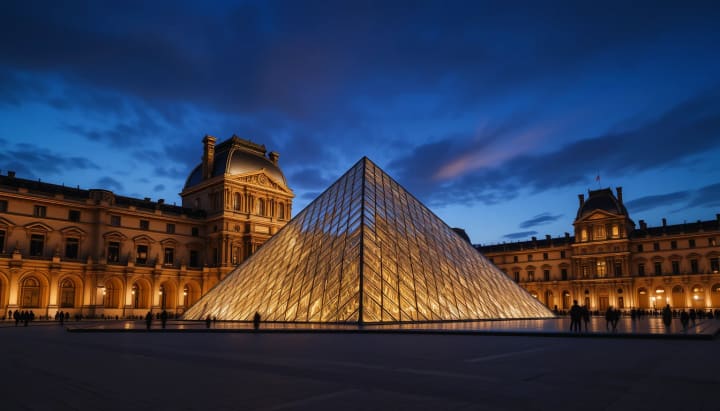
The Louvre Pyramid, designed by architect I. M. Pei and completed in 1989, remains a subject of controversy for many art lovers and historians. Some believe the modern glass structure clashes with the classical architecture of the Louvre, while others see it as a symbol of the museum’s evolution into a modern cultural institution. Regardless of opinion, the pyramid has sparked numerous discussions about the blending of old and new in art and architecture.
Ancient Egyptian Artifacts: Mysteries from the Past
The Louvre’s extensive collection of ancient Egyptian artifacts is a testament to the civilization’s rich cultural legacy. Among the most intriguing pieces is the “Great Sphinx of Tanis,” a granite sphinx dating back to the 26th dynasty. While many pieces in the museum are well-documented, others remain shrouded in mystery, with their origins and purposes lost to history. These enigmatic objects continue to fuel archaeological debate, leaving visitors with a sense of wonder about what remains undiscovered.
The Lacemaker by Vermeer: A Master of Light and Detail
Johannes Vermeer’s “The Lacemaker” is a stunning example of his mastery of light, texture, and detail. While Vermeer is famous for works like “Girl with a Pearl Earring,” the Lacemaker showcases his ability to capture quiet moments of everyday life with incredible precision. Visitors to the Louvre often overlook this piece, but those who pause to admire it are rewarded with a glimpse into the serene world of 17th-century Dutch interior life.
The Coronation of Napoleon: A Glimpse into France’s Imperial Past
One of the most dramatic paintings in the Louvre, “The Coronation of Napoleon” by Jacques-Louis David, offers a grandiose depiction of Napoleon Bonaparte’s coronation at Notre-Dame Cathedral. This monumental work, which stretches 6.3 meters wide, is filled with intricate details that highlight the pomp and circumstance of Napoleon’s reign. The painting tells the story of the rise of one of the most significant figures in world history, capturing the essence of his power and ambition.
The Mystical "The Wedding Feast at Cana"
“The Wedding Feast at Cana” by Paolo Veronese is an enormous painting, covering nearly 7 meters in height. The artwork depicts the biblical story of Christ’s first miracle, turning water into wine at a wedding. The painting’s vast size, intricate details, and vibrant colors make it a hidden gem in the Louvre. The sheer scale and richness of the narrative often go unnoticed by those only focused on smaller, more famous works.
The Louvre's Impact on Art and Culture
The Louvre’s influence on art and culture cannot be overstated. It is not only a repository for masterpieces but also a symbol of artistic legacy. Through its exhibitions and collections, it shapes our understanding of history and the development of art. The museum continues to inspire artists, historians, and visitors from around the world, inviting all to engage with the complexities of human creativity.
Conclusion: The Endless Allure of the Louvre
While the Mona Lisa is undoubtedly the star of the Louvre, the museum’s true allure lies in its hidden works and untold stories. Each gallery, each room, each sculpture offers a new layer of mystery and fascination. The Louvre is a place where history and art come alive, inviting visitors to explore the depths of human creativity. So next time you visit, take a moment to look beyond the Mona Lisa and discover the other treasures that lie within this magnificent museum.
FAQs
1. What are some lesser-known masterpieces in the Louvre?
Aside from the Mona Lisa, works like the Winged Victory of Samothrace, Venus de Milo, and The Lacemaker by Vermeer are must-see pieces that often go unnoticed.
2. How long would it take to explore the entire Louvre?
With over 35,000 pieces of art, it would take several days to explore the Louvre thoroughly, but most visitors spend around 4-6 hours.
3. Why is the Louvre Pyramid controversial?
The Louvre Pyramid, designed by I. M. Pei, is considered controversial due to its modern glass design, which some believe clashes with the classical architecture of the museum.
4. What is the significance of the Code of Hammurabi?
The Code of Hammurabi is one of the oldest and most important legal documents in history, showcasing early systems of justice from ancient Mesopotamia.
5. What can visitors expect from the Louvre’s Egyptian collection?
The Louvre houses one of the most extensive Egyptian collections, including mysterious artifacts like the Great Sphinx of Tanis and many objects whose histories remain a mystery.
About the Creator
Keep reading
More stories from Vera Marçoli and writers in Families and other communities.
Eiffel Tower at Night: The Hidden Magic Only Evening Visitors Discover
Eiffel Tower at Night: The Hidden Magic Only Evening Visitors Discover The Eiffel Tower is undoubtedly one of the most recognizable landmarks in the world. While millions of tourists visit it during the day, there's something truly enchanting about experiencing the tower at night. As the sun sets over Paris, the City of Light transforms into a dazzling spectacle, with the Eiffel Tower taking center stage. From its mesmerizing illuminations to the romantic ambiance that envelops the area, visiting the Eiffel Tower at night is a must for those seeking a magical and unforgettable experience.
By Vera Marçoliabout a year ago in Families




Comments
There are no comments for this story
Be the first to respond and start the conversation.