
What is the Usual Cause of Death with Lewy Body Dementia?
Common causes of death in Lewy body dementia include pneumonia and falls.

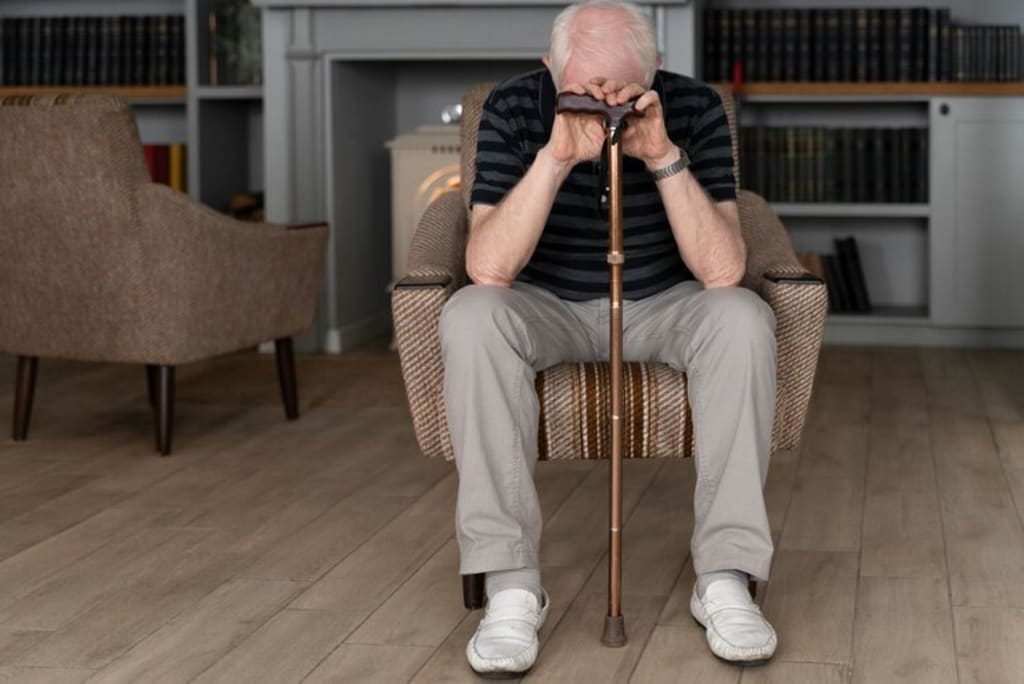
Lewy body dementia, also known as LBD, is an aging-related neurological disorder that destroys complex functions of thought and movement. LBD is the second most common form of dementia and takes second place after Alzheimer's disease. This condition is challenging to identify because symptoms overlap with several other diseases. Perhaps the possible reason for death that might be associated with this disease bothers the patients with this condition or their families the most. This paper will discuss in detail the common cause of death of patients with Lewy body dementia by giving in depth information about the progression of the disease and factors contributing to mortality.
Overview of Lewy Body Dementia
It is caused by abnormal protein deposits, called Lewy bodies, that build up in the brain. The clumps cause impairment of normal workings of the brain and cause all forms of diseases. The common symptoms of LBD include forgetfulness, hallucinations, movement problems, and fluctuations in cognitive functions. More areas of the brain are then affected with the advance of the disease, resulting in major impairment.
Lewy Body Dementia Symptoms
Patients with Lewy body dementia manifest a wide range of cognitive, motor, and psychiatric symptoms. Examples of common presentations include:
- Visual hallucinations: The presence of seeing things that are not there is one of the hallmark signs of LBD.
- Motor symptoms: A slowness/stiffness, tremors, and balance/coordination problems. These symptoms closely resemble Parkinson's disease.
- Fluctuating cognition: The cognitive function of these patients changes suddenly, which brings about changes in attention and alertness.
- Sleep disorders: REM sleep behavior disorder is extremely common in which patients act out their dreams.
- Autonomic dysfunction: Problems with rate and rhythm of heartbeat, irregular blood pressure, problems with digestion as a result of malfunction of the autonomic nervous system.
While these symptoms on their own can greatly diminish quality of life, it's usually the complications resulting from the late stages of the disease that commonly cause death.
How Does Lewy Body Dementia Progress?
The course of Lewy body dementia is often slow and relentless. Early manifestations like minor cognitive impairment or sleep disturbances can develop into more significant problems as time passes. As the disease progresses, patients usually require more extensive care since their physical and mental abilities are deteriorating. In the end, virtually all patients with LBD become totally dependent on caregivers.
Late-Stage Lewy Body Dementia
People affected by Lewy body dementia, especially during the last stages, lose cognitive and motor functions abruptly. This stage sends patients to bed. During this stage, the patients are even incapable of speaking the correct phrases. Even some of their physical functions are working against their wish. Infection or malnutrition can be major threats during this stage.
Common Cause of Death
Lewy body dementia itself is rarely specified as the direct cause of death. This disease conditions people for a number of fatal complications. The following are some of the most common causes of death among individuals with LBD:
1. Aspiration Pneumonia
Aspiration pneumonia is another cause of death in patients with Lewy body dementia. In the later stages of the disease, patients lose coordination over muscular parts that govern the act of swallowing. Food, liquids, or saliva may be aspirated, penetrated into lungs and therefore cause an infection. Aspiration pneumonia is dangerous because it can happen repeatedly even with the best management.
2. Infections
Besides pneumonia, patients with LBD are prone to other infections. Urinary tract infections UTIs develop often among bedridden and catheter-dependent patients. UTI can easily lead to sepsis-the very severe systemic infection that is typically fatal. Complete loss of mobility and weak immunity place patients at risk of skin infections and bed sores (pressure ulcers), which further deteriorate the state of the patients
3. Falls and Injuries
The motor features of Lewy body dementia, such as the presence of tremors and stiffness, produce a high risk of falls. Fractures and head injuries from falls can cause secondary, potentially severe complications such as bleeding or infections. Falls are a serious threat to older adults, and injury can hasten the acceleration of a fundamentally fragile person's deterioration.
4. Malnutrition and Dehydration
Advanced stages of LBD may cause the patient to lose interest in eating and at times experience problems with swallowing. Malnutrition and dehydration eventually set in due to this, that may make the person weak and prone to other diseases. With time, these conditions may seriously impair the body's function, bringing about a decline in health and eventually death.
5. Cardiovascular Problems
Lewy body dementia affects the autonomic nervous system that controls heart rate and blood pressure. Such impairment could lead to conditions like arrhythmia or sudden spells of low blood pressure that may be referred to as orthostatic hypotension, thereby increasing the risk of suffering from a stroke or myocardial infarction. Cardiovascular complications emerge as another potential cause of death in LBD patients.
Care and Management at the End Stage of Lewy Body Dementia
End-of-life care for an individual afflicted with Lewy body dementia focuses on comfort and quality of life. Many caregivers and healthcare providers collaborate with each other to ensure the patient is as comfortable as possible by managing symptoms such as pain, anxiety, and labored breathing. Decisions regarding feeding, hydration, and infection treatment must be considered with great care based on the overall prognosis for the patient and the wishes of the family.
Hospice Care
Most patients with late-stage LBD will eventually be enrolled in hospice care. Hospice care is aimed at offering rather palliative rather than curative treatments so that the patient's final days will be passed in comfort and dignity. Hospice teams also give support to family members who live with a patient with LBD in an emotional and psychological way to handle this stage of life.
Conclusion
The disease rarely is the primary cause of death but rather complications that come up as the disease progresses. Some of the most common causes are aspiration pneumonia, infections, falls, malnutrition, dehydration, and cardiovascular problems. However, with the management of these complications, life can be prolonged, and the quality of life in patients could be improved in the terminal phases of disease. LBD is however a terminal illness. The family is empowered to make decisions on care and support during the last periods of life if one is fully informed about the progression of the disease and challenges that await them.
About the Creator
Jame Roark
Jame Roark is a versatile and passionate writer with a keen interest in exploring a diverse range of topics.
Keep reading
More stories from Jame Roark and writers in Families and other communities.
What is the Life Expectancy of a Fast Scale Dementia Patient?
Dementia is regarded as a progressive neurological disease and most cases are classified through various stages, bringing about different effects in patients. Perhaps one of the most asked questions by a caregiver or a family member would be how long a patient will survive when dementia progresses fast. An insight into factors contributing to the rapid decline and prognosis for patients is required to understand this.
By Jame Roarkabout a year ago in Families
Wise~Guys
— Look Behind what's in Front of You ~ Make Good Choices — Hey, So how you Doin'..! Made~Men — Mobster Movies romanticise a distinctive, elegant appearance, impeccable attire style, along with the 'Families' expressive lingo. Making their 'Bones' gave them Panache — with vintage fedoras, tailored pin-striped suits, mirror-polished wing-tip shoes adorned with tassels; with their 'Gun Moll' gorgeous dates on their arms.
By Jay Kantor19 days ago in Families
What If I Am the Victim
There is a moment many of us reach after deep self-reflection. You ask yourself hard questions. You examine your behavior. You wonder if you are the problem. And after all that honesty, another thought quietly appears. What if I am actually the victim
By Eunice Kamauabout 11 hours ago in Families
Silver Screen Magic with Mae West
American actress and singer Mae West became a popular film actress during the Great Depression. She started entertaining in vaudeville, then performed on Broadway, and finally went to Hollywood. She signed up with Paramount Pictures and made her debut in the 1932 film “Night After Night.” She also starred in musicals, comedies, and crime dramas. The American Film Institute named her one of the best classic Hollywood actresses.
By Rasma Raisters6 days ago in Geeks




Comments
There are no comments for this story
Be the first to respond and start the conversation.