
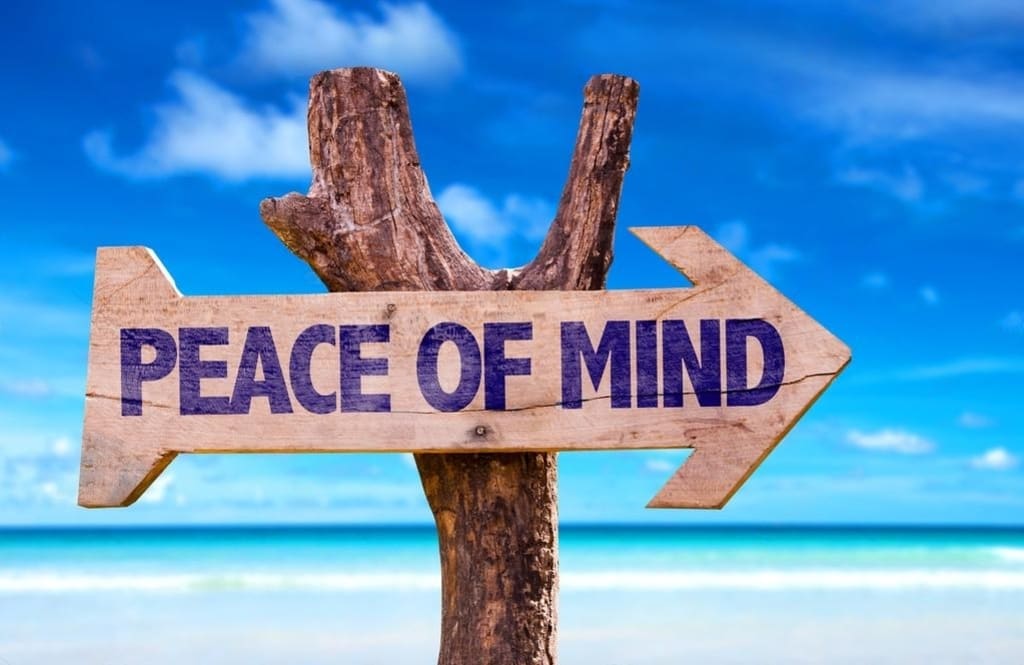
The philosophy of mental peace is centered around the belief that inner contentment and tranquility can be achieved through certain practices and ways of thinking. This philosophy has roots in various traditions such as Buddhism, Stoicism, and Taoism.
One of the key tenets of the philosophy of mental peace is the importance of mindfulness. Mindfulness is the practice of being fully present in the moment, and observing one's thoughts and feelings without judgment. By cultivating mindfulness, we can become more aware of our thoughts and emotions, and learn to let go of negative or distracting thoughts that can disturb our inner peace.
Another important concept in the philosophy of mental peace is detachment. Detachment refers to the idea of letting go of our attachment to material possessions, relationships, and other external factors that can cause us to experience anxiety, stress, and other negative emotions. By cultivating detachment, we can learn to focus on our inner well-being, and develop a sense of inner peace that is not dependent on external circumstances.
The philosophy of mental peace also emphasizes the importance of self-reflection and self-awareness. By examining our thoughts and emotions, we can gain a deeper understanding of ourselves and our inner motivations. This can help us to identify areas of our lives that may be causing us stress or anxiety, and take steps to address these issues in a constructive way.
One way to cultivate mental peace is through meditation. Meditation involves focusing the mind on a particular object, such as the breath or a mantra, in order to quiet the mind and cultivate a sense of inner calmness. By practicing meditation regularly, we can learn to detach from our thoughts and emotions, and develop a greater sense of inner peace.
The philosophy of mental peace also emphasizes the importance of living in the present moment. By focusing on the present, rather than dwelling on the past or worrying about the future, we can develop a greater sense of inner calmness and contentment. This can be achieved through practices such as mindfulness, meditation, and gratitude.
Gratitude is another important concept in the philosophy of mental peace. By cultivating a sense of gratitude for the things we have in life, rather than focusing on what we lack, we can develop a greater sense of contentment and inner peace. This can be achieved by taking time each day to reflect on the things we are thankful for, and expressing gratitude to others.
The philosophy of mental peace also emphasizes the importance of compassion and kindness towards others. By cultivating a sense of empathy and understanding towards others, we can develop deeper and more meaningful relationships, and experience a greater sense of interconnectedness and unity with the world around us.
In conclusion, the philosophy of mental peace is centered around the belief that inner contentment and tranquility can be achieved through certain practices and ways of thinking. By cultivating mindfulness, detachment, self-awareness, and other positive qualities, we can learn to live our lives with greater peace, harmony, and happiness. This philosophy is not only beneficial for our own well-being, but also for the well-being of those around us, as we cultivate greater compassion and kindness towards others.
Mental peace is a state of mind where we feel calm, centered, and content. It is a state of inner well-being that is not dependent on external circumstances. When we experience mental peace, we feel less stressed, anxious, and overwhelmed, and more able to handle the challenges of life.
There are many benefits to cultivating mental peace. Research has shown that people who experience mental peace have lower levels of stress and anxiety, better immune function, and improved cognitive function. They are also more resilient and better able to cope with difficult situations.
One way to cultivate mental peace is through mindfulness meditation. Mindfulness meditation involves focusing the mind on the present moment, and observing one's thoughts and emotions without judgment. By practicing mindfulness regularly, we can develop a greater sense of inner calmness and contentment.
Other practices that can help cultivate mental peace include spending time in nature, practicing yoga or tai chi, engaging in creative activities, and spending time with loved ones. These practices can help us to disconnect from the stresses of daily life and connect with our inner selves.
The philosophy of mental peace emphasizes the importance of letting go of attachments to external things, such as material possessions and relationships, that can cause us to feel stressed or anxious. By cultivating detachment, we can learn to focus on our inner well-being, and develop a sense of inner peace that is not dependent on external circumstances.
Gratitude is another important aspect of cultivating mental peace. By focusing on the things we are thankful for, rather than the things we lack, we can develop a greater sense of contentment and inner peace. Expressing gratitude to others can also help us to cultivate deeper and more meaningful relationships, which can contribute to our overall sense of well-being.
In summary, mental peace is a state of inner well-being that can be cultivated through various practices and ways of thinking. By cultivating mindfulness, detachment, gratitude, and other positive qualities, we can learn to live our lives with greater peace, harmony, and happiness.
About the Creator
Keep reading
More stories from writers in Families and other communities.
The Chair That Stayed Empty
story There was always one chair in the house that no one sat in. It was near the window, at a small slant, and it caught the afternoon light. The cushion had sunk in the middle since it had been used for so long. Ammi would straighten it every night, even though no one sat there anymore.
By abualyaanart4 days ago in Families




Comments