

My mama grew up a little bit of everywhere. First in a small town, then off at a little college just a stone's throw down the road, then business school, then the biggest city she could find. When she got there, she met my Papa and together they spent years chasing dreams from a high-rise apartment. Though her childhood cornfields were replaced with skyscrapers, and the harvest moonrises turned to dark pavement and slow-burning streetlights, she and Papa made their home.
The night they moved in, the walls were bare and colorless and cold. But Papa brought a bottle of Merlot, a little planter, and some seeds. Put down roots with me, he said, and I suppose that was about the moment Mama fell in love. She still can’t help but smile telling how they squeezed shoulder to shoulder out on their cramped iron balcony, admiring the fresh-potted soil and sipping from paper cups until they were giddy. They celebrated much the same for her big promotion, their wedding night, and all the simple dinners in between. Mama closes her eyes for a long moment when she talks about the little corner-shop-next-to-the-florist that furnished home with bottles. And the little planter she called a garden on the balcony... well, it was her favorite part of the building come spring with Mama’s steady care.
Thing is, Mama’s always had a green thumb, no matter how hard the city smog tested her will. She grew up a farm girl, with a granddaddy who taught her to take care of the rolling green-yellow pastures of hay and corn and soy. In the winters, she’d uproot the carrots and turnips from her hand-planted vegetable garden; the summers brought baskets of fresh-picked peaches, strawberries, and all manner of home-jarred preserves.
When the evening milking was done and the cows were settled into their stalls for the night, Mama would go to her granddaddy’s house, just down the street and around the corner. He’d settle into his rocking chair, Mama at his feet, and tell her about the troubles in Vietnam, politics, taxes—always over his evening Merlot. I suppose it ran in the family. Good for the heart, he liked to say, and he never missed a glass. When it was her turn, Mama grew us up on the same three tenets: Family, a little bit of land, and a glass of good red wine a day—when you’re old enough. As teenagers, my sisters and I liked to remind Mama that as it was in her day, drinking age was more a suggestion than a rule. She never bought it.
We were far away from that little corner shop by that point, though. Come time for children, Papa wanted to put down roots someplace big enough for a family. They’d find a way to keep their paper-cup picnics, he promised, and Mama could have all the space in the world to expand her garden. And so they found a modest house halfway between home-farm and home-city and settled in.
But life has a funny way of never quite working out the way it was meant to. After the move, Mama raised babies instead of plants, and Papa’s temper became too foul to chance flower pots long in the little house anyhow. Then us babies grew up and money grew tight and Mama raised a career again without a fuss or a word about it. Papa couldn’t hold down a paycheck very long, we learned, but Mama always found a way to make do. It took a little out of everything as she did. Annie and Grace and I didn't make it any easier on her, I suspect, as the hand-me-down sweaters and stay-at-home summers gave us each our not-so-quiet grumbles. We were so caught up in what our classmates had, we never noticed that the Merlot bottle went missing for a good long while. Those paper-cup nights Papa promised never came.
Twenty years passed. Papa’s temper faded, but in its stead was an emptiness in his presence, both as a husband and a father. Mama always said the day she divorced Papa she’d start gardening again. But I knew Mama was a romantic—she liked to hope things would get better, that marriage was a once-for-life arrangement and family wasn’t meant to break apart as easily as terracotta planters. We did what we could, my sisters and I, and the rest she made up for in closed-eye city memories and calls home, where her granddaddy was reaching a hundred and one.
One day came a quiet call, a long car ride into cornfields, taps, and a folded flag. A hundred and one years of fertile land and sipping wine and talking about the world wider than the fields had come to end. Mama inherited Granddaddy’s rocker, though she rarely kept time to put it to use. Not long after, Papa passed too and we had a second quiet affair.
She never said much about it, but those years made Mama sad. I could tell by the dog-eared corners of the garden magazine pages that never materialized into seeds and the mornings she’d stand with her coffee mug in the backyard door, inhaling the earth fresh after a nighttime rain before quietly sliding the glass closed when we came down to breakfast. I suppose for all the bad years with Papa, there had been good moments too.
When the last of my sisters got off to school, Mama had—likely for the first time in her life, I realized—an empty house and more time than she knew how to spend. She began writing us letters. Over time, those letters started to keep more than just news of the neighborhood and weather and words of encouragement for the tougher aspects of our studies. One day I got a picture clipping. Just a little patch of dirt and some tiny green shoots. Mama was finally starting her garden.
My sisters and I graduated, moved to our own big cities that made visits fewer between. But Mama kept writing letters. I like the tulips and viburnum in spring and the evergreens at dusk when they release their smell like Christmas trees… I’ve made stone paths that line the beds; the water runs like a river in miniature with a stone bank when it rains and flows out the eaves… Gardens—they never stop needing work, but they breathe with all the love you put into them.
We’d tease Mama sometimes, ask her when she would finally sit back in her rocker and put her feet up. Eventually, she’d always say. I’ll admire it when it’s done. In the meantime she busied herself walking us around it when we came to visit, pointing out the transplants she had made, the areas that could use a good weeding and fresh layer of mulch, the whip-poor-will that had made its nest in her dogwood tree.
It’s been about a decade now, and Mama’s fingers are starting to ache in her gardening gloves. The beds are a far cry from orderly—more English rustic than grounds of Versailles—but her oasis is finally, fully, in bloom.
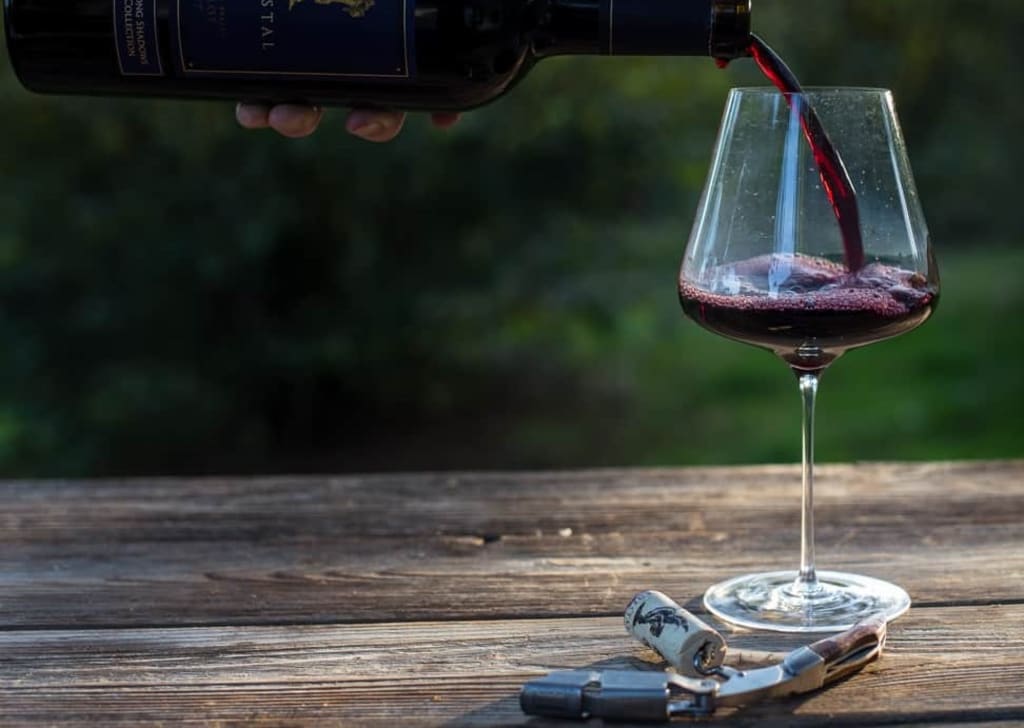
Recently, Mama did something new. One warm evening she pulled that old rocker onto the back patio at last. And there she settled in, watching the sun drift behind the pines and listening to the breeze rustling the milkweed, at rest from the day’s visits from the hummingbirds and the Ozark butterflies. The gardenias with their seashell buds were just teasing open, washing in far-past scents of open fields and city skylines. As the porch lights powered on and the summer lightning fairies twinkled in the grass, Mama poured her glass of Merlot. And for the first time in her life, she raised it to—and only to—herself.
Mama’s on a new path now, one she calls knowing herself again. The company is sparse most times—just quiet dates with her rocker, her garden, and her glass of wine. Good for the heart, good for the soul, and good, as she likes to say, to get on living.
About the Creator
Liz Keller
There's always a story to be told. Creative writer figuring out the world. If you like something, feel free to leave a heart or tip!
Keep reading
More stories from writers in Families and other communities.
Wise~Guys
— Look Behind what's in Front of You ~ Make Good Choices — Hey, So how you Doin'..! Made~Men — Mobster Movies romanticise a distinctive, elegant appearance, impeccable attire style, along with the 'Families' expressive lingo. Making their 'Bones' gave them Panache — with vintage fedoras, tailored pin-striped suits, mirror-polished wing-tip shoes adorned with tassels; with their 'Gun Moll' gorgeous dates on their arms.
By Jay Kantor23 days ago in Families
CAFCASS Scared Her More Than Court - Here's What Helped
She thought she was ready for family court. She wasn't ready for CAFCASS. When she first heard about the CAFCASS call, she nodded along as if she understood. She'd already filed paperwork. She'd already stood in front of a judge once as a litigant in person. She assumed this was just another box to tick.
By Family Law Servicea day ago in Families
How, Too
Many people wonder how, too. You are not alone, and I am an expert. I will teach you how, too! First, you need to remit a small application fee and fill out an application describing the nature of your financial situation and how often payments will be made, as this will have great bearing on how well I teach you how, too.
By Harper Lewis7 days ago in Fiction




Comments
There are no comments for this story
Be the first to respond and start the conversation.