
Discipline with Love: 5 Times You Should Not Discipline Your Child
Knowing when not to discipline can help your child grow emotionally stronger and your bond grow deeper.


Parenting is one of the most fulfilling yet challenging journeys we take in life. Educating children about right and wrong and pointing them in the right direction is an essential part of being a parent or caregiver. This process relies heavily on discipline. However, discipline should not be practiced at every opportunity. There are specific situations where disciplining a child can do more harm than good—damaging their emotional growth, trust in you, or even their sense of self-worth. Knowing when to hold back is just as important as knowing how to guide.
Let’s explore five situations when it’s best to pause and take a gentler approach.
1. When the Child Is Emotionally Overwhelmed
Children, especially in early development, are still learning how to regulate their emotions. At times, they may cry excessively, throw tantrums, or become fearful or angry. In such moments, their brain is not ready to receive logical input or correction. Any attempt to discipline them at this point may be seen as rejection rather than redirection.
What to Do Instead:
Offer comfort and acknowledge their emotions: “I see you’re upset, and I’m here for you.”
Stay physically and emotionally close without judging.
Wait until they’ve calmed down. Once they are calm and can listen, revisit the behavior and explain why it wasn’t okay in a loving, clear manner.
Vocal Style Tip: Use calm, empathetic language that supports emotional wellness. Vocal encourages authentic storytelling that uplifts and educates.
2. When the Child Is Sick or Tired
A sick or overtired child is more prone to misbehavior—but not out of defiance. When children feel physically unwell or sleep-deprived, their threshold for frustration drops significantly. Their reactions may be more intense, but it's often their body asking for rest, not punishment.
What to Do Instead:
Offer rest and nourishment rather than correction.
Acknowledge their discomfort: “I know you're not feeling your best right now.”
Once they’ve recovered or had proper rest, gently talk about what happened and guide them toward better choices for next time.
When a child is already having physical problems, disciplining them can make them feel even more helpless and make it harder for them to learn from the experience.
3. In Public or in Front of Others
It can be embarrassing for a child to be reprimanded in front of friends, family, or strangers. Children, like adults, value their dignity. Public discipline can create shame, reduce self-esteem, and damage your relationship.
What to Do Instead:
Pull your child aside quietly and address the issue in private.
Use a gentle tone to explain what behavior was not acceptable.
Revisit the situation later, either at home or in a secure location, to reaffirm the respectful message. Public discipline often does more damage than good. Children remember how you made them feel—especially when others were watching.
4. During Meals or Playtime
Mealtime and playtime are more than just breaks in the day—they are essential for physical health, emotional bonding, and cognitive development. Introducing discipline during these sacred routines can disrupt a child’s sense of safety and joy.
What to Do Instead:
Unless absolutely necessary, do not interrupt your child while they eat or play. If a rule is broken during these times, you should fix it after the activity is over. Explain calmly: “What happened earlier during lunch wasn’t okay. Let's talk about what else you could do. When children associate mealtime or play with stress or reprimand, they may lose interest in food or healthy recreational habits—both of which are key to holistic growth.
5. When You Are Angry or Emotionally Overwhelmed
Let’s be honest—parents are human, too. There are moments when stress, fatigue, or personal frustrations cloud our judgment. In such emotional states, we risk disciplining out of anger rather than guidance. This can lead to saying hurtful things or acting in ways we later regret.
What to Do Instead:
Pause. Take a few deep breaths or walk away if it’s safe to do so.
Reflect: Ask yourself, “Is this about the child’s behavior or my emotional state?”
Once calm, return to your child with a clear head and a kind heart.
Children learn emotional regulation by observing their caregivers. Modeling calm behavior even during conflict teaches them how to manage their own emotions in healthy ways.
The Importance of Timing in Discipline Discipline is not punishment—it's teaching. And just like teaching, timing is crucial. Trying to guide a child when they are emotionally unavailable, physically unwell, or in a vulnerable public setting can backfire. Worse yet, it may foster resentment, insecurity, or fear rather than understanding and development. When parents choose to delay discipline until a more appropriate moment, several positive things happen:
The child is more receptive to learning.
The conversation becomes meaningful rather than reactive.
The emotional bond remains intact or even strengthens.
Effective Alternatives to Discipline Right Now Here are some alternative strategies that work better than immediate correction:
Empathize First: “I know this is hard.”
Use Gentle Redirection: “Let’s try it this way instead.”
Set Expectations Later: “Next time, what could we do differently?”
Validate Your Feelings: "It's ok to be upset, but it's not ok to hurt other people." Children can use these methods to constructively process their actions and feelings. Final Thoughts: Discipline with Empathy
Parenting is a delicate balance between authority and affection. Discipline is necessary, but only when done with empathy, clarity, and proper timing. The five situations discussed above are moments when pausing can actually become your most powerful parenting tool.
Let’s raise children who not only listen but feel heard. Let's lead them with faith, compassion, and patience rather than fear. We raise emotionally intelligent, resilient, and self-assured children who are ready to face the world with love and integrity by knowing when to not discipline them.
About the Creator
Wise~Guys
— Look Behind what's in Front of You ~ Make Good Choices — Hey, So how you Doin'..! Made~Men — Mobster Movies romanticise a distinctive, elegant appearance, impeccable attire style, along with the 'Families' expressive lingo. Making their 'Bones' gave them Panache — with vintage fedoras, tailored pin-striped suits, mirror-polished wing-tip shoes adorned with tassels; with their 'Gun Moll' gorgeous dates on their arms.
By Jay Kantor18 days ago in Families
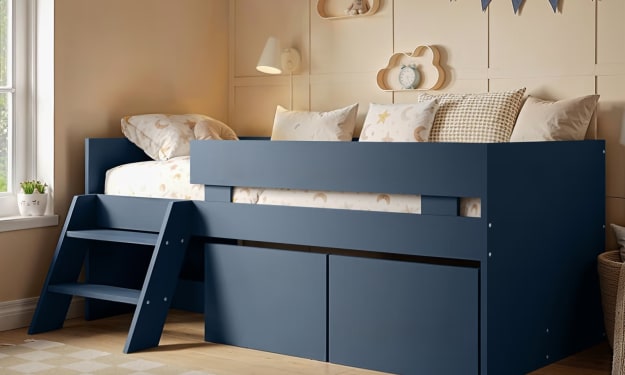
Kids Beds Suitable for Smaller Bedrooms: Smart Comfort Without Crowding
Not every child has a large bedroom. In many homes, space is shared or limited, which means every piece of furniture needs to be chosen carefully. A bed that is too big or bulky can make a small room feel cramped and uncomfortable.
By Shazad Khan3 days ago in Families



Comments
There are no comments for this story
Be the first to respond and start the conversation.