
A Story of Sisterhood and Activism
On Race, Domestic Violence, and Injustice in America

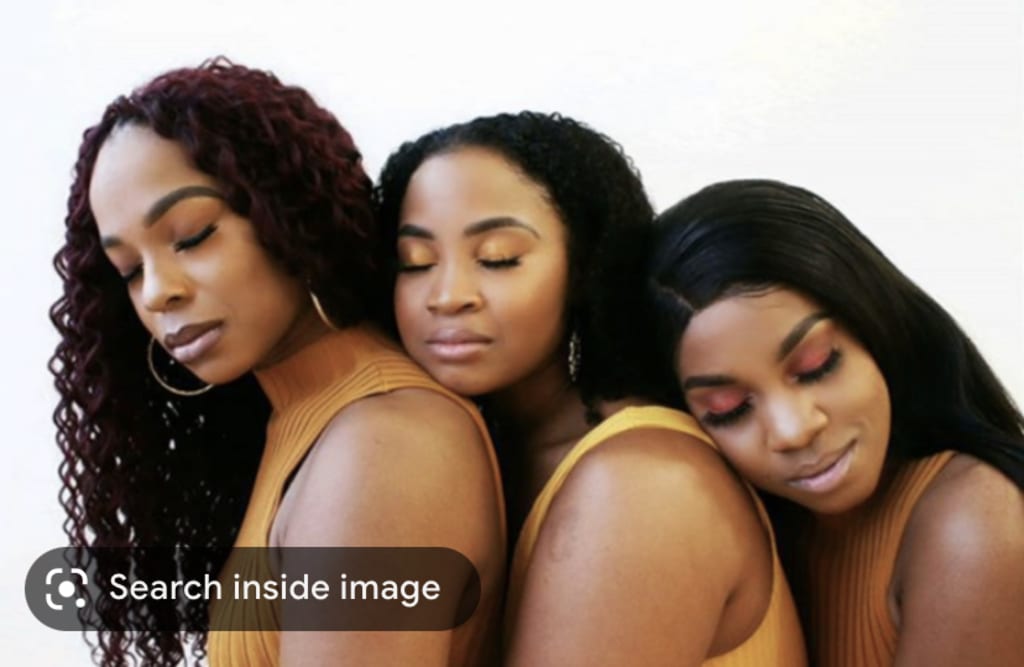
All I see when I walk through the door to my apartment one day is my sister standing in the living room. Not the bright-eyed, brown-skinned sister I know. Colors other than the warm brown I’m used to light up her face in different shades of black and blue. I am speechless. Although she is older than me, I am the one that always has something comforting to say. My sister always teases me affectionately and says, “Tina, you talk too much,” and I don’t disagree. I’m proud of this voice of mine. Not now though. Now I stand, staring at her, mute, so ashamed of my voice for failing her. In between soapy tears, she tells my mom and me that it was her boyfriend.
I manage to say we should go to the 25th precinct, so we did. My sister gave her testimony, and showed Officers Mars and Rodrigo the bruises covering her face, and we chimed in when we were asked to. All the while they stared back at us wearing blank expressions on their faces. No restraining order was filed. They told us there wasn’t enough evidence, and dismissed us. I sought to do more for my sister, and other families in similar predicaments.
Afterwards, we searched for a way to rid ourselves of this uncomfortable feeling. The following week, we attended a BLM protest through my community’s grapevine. Garvey Park was packed. Friends, family, and neighbors gathered. All of us joined in a stunning show of solidarity. It was the summer of 2020, and not enough had changed. The protest represented an outlet for my sister and me, a way to connect with our equally angry brothers and sisters. We were there to speak up about black victims the United States D.O.J had failed like Wright, Taylor, and Floyd.
That day, we marched and our voices came out to march with us. I felt relieved knowing I hadn’t lost my voice for good. It was still there. I began to realize that my voice was something I wanted to use more often, at protests, at school, everywhere. It felt like it was a part of my identity as a sister, a daughter, a black woman. I began to feel that maybe I could use this integral part of me to help others, other sisters, and daughters, and sons somehow, some way. I just didn’t know how yet.
When I got home, I couldn’t stop thinking about the protest. I was reminded of a final project I did for my 10th grade AP Lit class. We were assigned Narrative of the Life of Frederick Douglass, and had to write an essay on whether we believed Douglass would side with Malcolm X or MLK Jr. on the following prompt: Is violence an acceptable means to achieve racial justice in America? I wrote that Douglass would side with MLK Jr. because he advocated the most for peaceful protesting between the two men. Looking back, I believe my words were ignorant after attending the protest because all three men managed to achieve significant racial justice, whether through violence or not. All three men fought and struggled to bring about positive change, and did so successfully. As Douglass said, “if there is no struggle, there is no progress.”
My sister and I had struggled to win her case. That doesn’t mean I have to accept it. That doesn’t mean I have to let my voice go quiet. Not when I still have so much to say. I too can fight. I can attend more protests, and fight using only my voice to be my weapon of choice. I can attend college, and learn more about public speaking and the criminal justice system in order to help others. I choose to wake up everyday and use my voice to fight back.
About the Creator
Keep reading
More stories from writers in Families and other communities.
Wise~Guys
— Look Behind what's in Front of You ~ Make Good Choices — Hey, So how you Doin'..! Made~Men — Mobster Movies romanticise a distinctive, elegant appearance, impeccable attire style, along with the 'Families' expressive lingo. Making their 'Bones' gave them Panache — with vintage fedoras, tailored pin-striped suits, mirror-polished wing-tip shoes adorned with tassels; with their 'Gun Moll' gorgeous dates on their arms.
By Jay Kantor20 days ago in Families
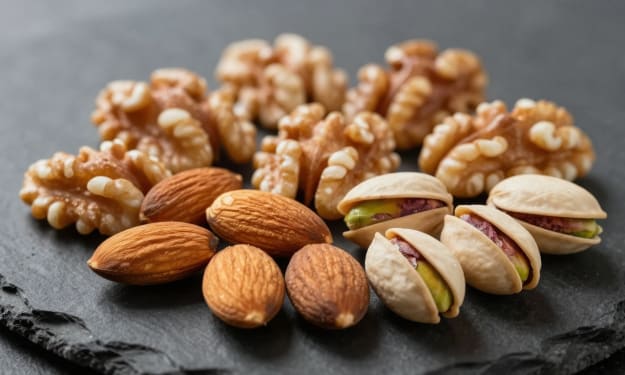
Men who eat nuts tend to have better quality sperm
Peak Potency: How a Daily Nut Habit Elevates Male Sperm Quality Male fertility rates have dropped in recent years. Many couples struggle to conceive, and men often overlook their role in this challenge. Your diet can make a big difference here. Nuts stand out as a simple fix. They pack antioxidants and healthy fats that support better sperm quality. Think of them as fuel for your reproductive system. Studies show men who eat nuts regularly see real gains in sperm health. If you're planning a family or just want peak vitality, adding nuts could be your smart move.
By Story silver book 3 days ago in Families
Autonomy Is The Real Privilege
Good morning, freedom-seekers! Today we’re gonna be looking at autonomy. A strange word, I know; one many would probably look at blankly and run away from on sight. We’re gonna figure out what it actually means, consider how it’s achieved, and decipher just how deeply most of us are tangled up in dependence without realising it.
By That ‘Freedom’ Guyabout 9 hours ago in Humans


Comments
There are no comments for this story
Be the first to respond and start the conversation.