
7 Stages of Dementia Before Death: What Families Need to Know
A gentle, step-by-step guide to understanding how dementia changes your loved one’s life and what to expect along the way.

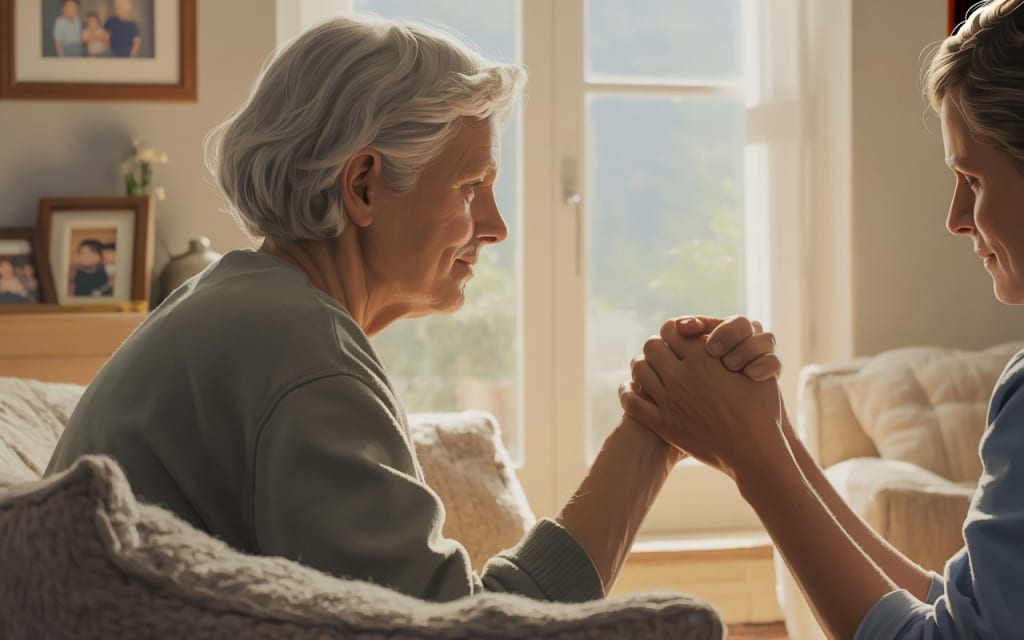
By the time we hear the phrase “7 stages of dementia before death”, many of us are already exhausted, scared, and confused. Dementia doesn’t arrive in one day. It creeps in quietly, then slowly changes the person we love and the life we know.
Below is a gentle, human guide through these stages. Remember: every person is different. Not everyone will fit perfectly into each stage, and changes don’t always happen in order.
Stage 3–4: When Forgetfulness Becomes Hard to Ignore
This is often the point where families start to worry seriously.
Your loved one might:
- Ask the same question again and again
- Forget recent conversations
- Misplace items and blame others
- Struggle to manage money, bills, or appointments
At this point, dementia is more than “normal ageing.” It begins to impact daily life. Many families search for help, wondering if it’s Alzheimer’s disease, vascular dementia, or another type. A medical check-up, memory tests, and brain scans may be suggested.
Helpful thought: This is the time to start planning, not panicking. Talking about legal documents, future care, and wishes for end-of-life care may feel uncomfortable, but doing it early is an act of love.
Stage 4–5: Daily Life Starts to Break Down
Here, your loved one may still recognise family and friends but starts to lose independence.
You may notice:
- Confusion about dates, seasons, or current events
- Repeating stories or mixing up timelines
- Needing help choosing clothes or preparing meals
- Getting lost in familiar places
This stage is emotionally painful because the person is still “there,” but different. They may feel embarrassed, angry, or withdrawn as they realise they are losing abilities.
How you can help:
- Keep routines simple and predictable
- Use reminders, labels, and calendars
- Offer choices, but not too many
- Involve them in small tasks so they still feel useful
Stage 5–6: Personality Changes and Growing Dependence
As dementia moves deeper, changes go beyond memory. Behaviour, mood, and personality may shift.
Your loved one might:
- Become suspicious, accusing people of stealing
- Experience mood swings, anxiety, or depression
- Struggle with basic hygiene, like bathing or brushing teeth
- Forget names of grandchildren or distant relatives
They usually still recognise close family, but confusion is more frequent. Caregiving becomes physically and emotionally demanding. Many families begin considering home care, memory care facilities, or hospice for dementia later on.
Remember: The hurtful words or anger you face are symptoms of the disease, not a true reflection of how they feel about you.
Stage 6: Needing Help With Almost Everything
In this more advanced stage, dementia affects almost every part of daily life.
Common changes include:
- Needing help with dressing, toileting, and eating
- Wandering or pacing, especially at night
- Trouble sleeping and day–night confusion
- Hallucinations or delusions (seeing or believing things that aren’t there)
This is usually when carers feel close to burnout. You may feel guilt for thinking about nursing homes or hospice care, but needing help does not mean you have failed. It means the disease has progressed.
Caring for yourself is part of caring for them. Respite care, support groups, and professional caregivers can make a big difference.
Stage 7: Late-Stage Dementia and End of Life
In the final stage, dementia affects the body as much as the mind.
Your loved one may:
- Speak very little or lose speech entirely
- Spend most of their time in bed or in a chair
- Have difficulty swallowing food or liquids
- Become very thin and weak
- Be prone to infections, such as pneumonia
This is often when end-of-life care or dementia hospice care becomes essential. The focus shifts from curing or slowing the disease to comfort, peace, and dignity.
What matters most now is:
- Managing pain and discomfort
- Keeping the person calm, clean, and safe
- Being present in simple ways—holding hands, playing soft music, speaking gently
Even if they can’t respond, many people with late-stage dementia still feel your presence and love.
Emotional Side of the 7 Stages of Dementia Before Death
Walking through the 7 stages of dementia before death is not just a medical journey; it’s an emotional one for the whole family. We grieve small losses long before death: the loss of conversations, shared memories, and the person we once knew.
Some feelings you may have:
- Anger: “Why is this happening to us?”
- Guilt: “Am I doing enough?”
- Sadness: “I miss who they used to be.”
- Relief (especially near the end): “They are finally at peace.”
All of these emotions are normal. You are not a bad son, daughter, spouse, or friend for feeling them.
You Are Not Alone
If you’re reading about the 7 stages of dementia before death, you’re likely already carrying a heavy load. Reach out for help:
- Talk to doctors and nurses about what to expect
- Join a dementia caregiver support group (online or offline)
- Share responsibilities with family and friends
You cannot stop dementia, but you can surround your loved one with kindness, patience, and dignity at every stage. And in doing so, you are doing something incredibly important and deeply loving.
About the Creator
Rachel Randall
Rachel Randall is a compassionate advocate in the field of senior care, specializing in Independent Living Cottages, Assisted Living, and Memory Care services. With a deep commitment to enhancing the lives of older adults.
Keep reading
More stories from Rachel Randall and writers in Families and other communities.
Do Dementia Patients Sleep a Lot? Key Insights for Caregivers
Caring for someone with dementia can be overwhelming, especially when changes in their sleeping habits begin to disrupt daily life. Many caregivers notice that dementia patients sleep more than usual or experience unusual sleep-wake cycles. Understanding why this happens and how to manage it effectively is crucial for ensuring both the patient’s comfort and the caregiver’s peace of mind.
By Rachel Randall5 months ago in Families
Wise~Guys
— Look Behind what's in Front of You ~ Make Good Choices — Hey, So how you Doin'..! Made~Men — Mobster Movies romanticise a distinctive, elegant appearance, impeccable attire style, along with the 'Families' expressive lingo. Making their 'Bones' gave them Panache — with vintage fedoras, tailored pin-striped suits, mirror-polished wing-tip shoes adorned with tassels; with their 'Gun Moll' gorgeous dates on their arms.
By Jay Kantor19 days ago in Families
Silver Screen Magic with Mae West
American actress and singer Mae West became a popular film actress during the Great Depression. She started entertaining in vaudeville, then performed on Broadway, and finally went to Hollywood. She signed up with Paramount Pictures and made her debut in the 1932 film “Night After Night.” She also starred in musicals, comedies, and crime dramas. The American Film Institute named her one of the best classic Hollywood actresses.
By Rasma Raisters6 days ago in Geeks




Comments
There are no comments for this story
Be the first to respond and start the conversation.