
When Elephants Weep The Emotional Lives of Animals
A quick review of When Elephants Weep The Emotional Lives of Animals gives a sample of what the book covers.

Introduction
"When Elephants Weep: The Emotional Lives of Animals" by Jeffrey Moussaieff Masson and Susan McCarthy is a groundbreaking exploration into the emotional lives of animals. Challenging the long-held belief that emotions are exclusive to humans, the authors present compelling evidence and anecdotes demonstrating that animals experience a wide range of emotions, from joy and love to fear and sorrow. Through scientific studies, personal stories, and historical accounts, Masson and McCarthy argue for a more compassionate and empathetic understanding of animals.
Chapter 1: The Emotional Lives of Animals
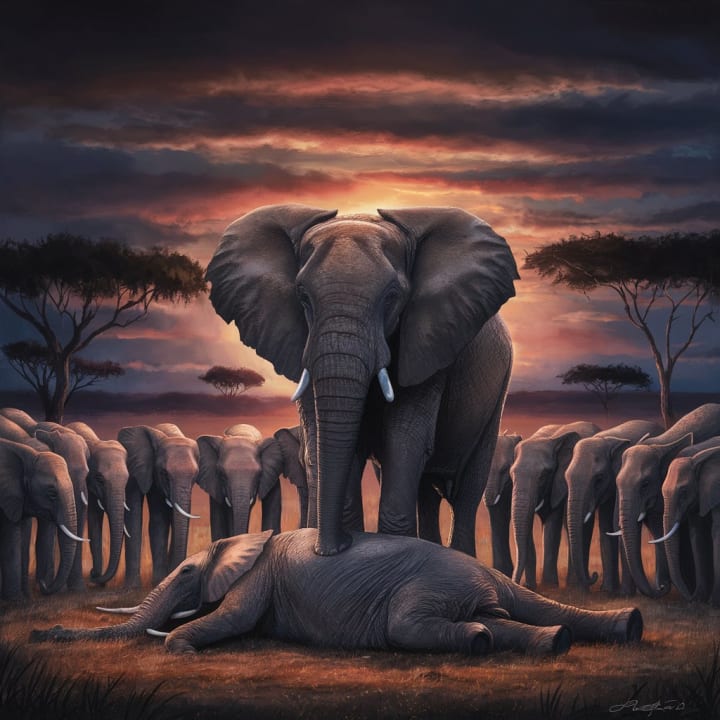
In the opening chapter, Masson and McCarthy introduce the central thesis of the book: animals possess emotions similar to humans. They argue that the scientific community has historically downplayed or ignored animal emotions due to anthropocentrism. The authors provide an overview of the various emotions observed in animals, including happiness, grief, jealousy, and empathy. They also discuss the importance of recognizing animal emotions for ethical and welfare considerations.
Chapter 2: The Language of Emotion
This chapter delves into how animals communicate their emotions. Masson and McCarthy examine the vocalizations, body language, and facial expressions animals use to convey their feelings. They present examples from different species, such as the joyful play of dolphins, the mourning rituals of elephants, and the affectionate behaviors of dogs. The authors emphasize that understanding these forms of communication is crucial for interpreting animal emotions accurately.
Chapter 3: Love and Friendship
Masson and McCarthy explore the concepts of love and friendship among animals in this chapter. They share heartwarming stories of bonds formed between animals of the same species and even cross-species friendships. Examples include the lifelong partnerships of swans, the cooperative hunting and social grooming of primates, and the strong attachments between pets and their human caregivers. The authors argue that these relationships are evidence of genuine emotional connections.
Chapter 4: Joy and Play
In this chapter, the authors discuss the emotions of joy and the role of play in animals' lives. They present various instances of playful behavior, such as the exuberant games of young elephants, the intricate play-fighting of big cats, and the joyful antics of otters. Masson and McCarthy argue that play is not only a source of joy but also essential for social bonding, learning, and physical development.
Chapter 5: Grief and Mourning
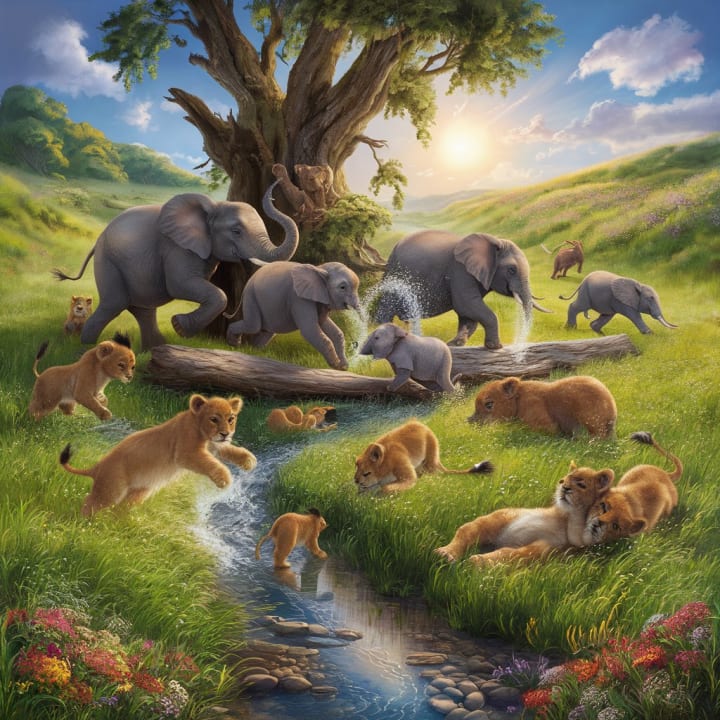
This chapter examines the profound emotions of grief and mourning in animals. The authors share poignant stories of animals displaying behaviors that suggest they experience loss and sorrow, such as elephants standing vigil over a deceased companion, dogs showing signs of depression after losing a beloved human, and chimpanzees mourning the death of a family member. Masson and McCarthy argue that these behaviors indicate a deep emotional response to loss.
Chapter 6: Fear and Anxiety
Masson and McCarthy explore the emotions of fear and anxiety in this chapter. They discuss how animals experience and express these emotions in response to threats and stressful situations. Examples include the flight responses of prey animals, the anxiety displayed by pets during storms or fireworks, and the nervous behaviors of animals in captivity. The authors highlight the importance of understanding and addressing these emotions for animal welfare.
Chapter 7: Anger and Aggression
In this chapter, the authors discuss the emotions of anger and aggression in animals. They examine the causes and expressions of these emotions, from territorial disputes among wild animals to the defensive aggression of domesticated pets. Masson and McCarthy present case studies of aggressive behaviors in various species, such as lions fighting over territory, dogs reacting to perceived threats, and primates displaying dominance behaviors. They argue that these emotions are often misunderstood and need to be addressed with empathy and understanding.
Chapter 8: Jealousy and Envy
Masson and McCarthy explore the complex emotions of jealousy and envy in animals in this chapter. They provide examples of animals displaying behaviors that suggest these emotions, such as dogs competing for their owner's attention, primates vying for social status, and birds engaging in rivalry over mates. The authors argue that recognizing these emotions can help us better understand animal behavior and improve their care.

Chapter 9: Compassion and Empathy
This chapter focuses on the emotions of compassion and empathy in animals. The authors share stories of animals showing care and concern for others, such as dolphins assisting injured companions, elephants helping distressed herd members, and pets comforting their human owners. Masson and McCarthy argue that these behaviors demonstrate a capacity for empathy and altruism, challenging the notion that such emotions are uniquely human.
Chapter 10: The Ethics of Animal Emotions
In the final chapter, Masson and McCarthy discuss the ethical implications of recognizing animal emotions. They argue that acknowledging the emotional lives of animals necessitates changes in how we treat them, from improving conditions in captivity to rethinking practices in agriculture, research, and entertainment. The authors call for a more compassionate and respectful approach to animals, advocating for policies and practices that consider their emotional well-being.
Conclusion
"When Elephants Weep: The Emotional Lives of Animals" provides a compelling and thought-provoking exploration of the emotional experiences of animals. Jeffrey Moussaieff Masson and Susan McCarthy present a wealth of evidence and anecdotes that challenge the traditional view of animals as emotionless beings. By highlighting the similarities between human and animal emotions, the authors encourage readers to adopt a more empathetic and ethical perspective toward the animal kingdom. The book ultimately calls for a reevaluation of our relationship with animals, emphasizing the need for compassion, understanding, and respect.
**Affiliate Disclosure** This article contains affiliate links, meaning that we will receive a small commission at no added cost to you as part of our partnership with Audible when you sign up for a free trial to obtain this book.
About the Creator
Keep reading
More stories from Ermelita T. Engracio and writers in Education and other communities.
Are We Smart Enough to Know How Smart Animals Are?
Introduction "Are We Smart Enough to Know How Smart Animals Are?" by Frans de Waal delves into the intricate world of animal cognition, challenging long-standing assumptions about the intellectual divide between humans and other species. De Waal, a renowned primatologist and ethologist, brings to light the sophisticated behaviors and mental capabilities of animals, arguing that the traditional view of human superiority in intelligence is both outdated and anthropocentric. Through a blend of scientific evidence, anecdotal observations, and philosophical reflections, de Waal invites readers to reconsider their understanding of animal minds and the nature of intelligence itself.
By Ermelita T. Engracioabout a year ago in Education
How Neuroscience Is Changing the Way We Learn
In recent decades, advances in neuroscience have reshaped our understanding of human learning. Rather than viewing learning as merely memorizing facts, researchers now see it as a biological process that physically and functionally changes the brain. This shift in perspective — from teaching content to understanding how the brain learns — is transforming educational theory, classroom practice, and lifelong learning strategies across the globe.
By Games Mode On5 days ago in Education


Comments (1)
Interesting