
Are We Smart Enough to Know How Smart Animals Are?
A quick review of Are We Smart Enough to Know How Smart Animals Are? gives a sample of what the book covers.

Introduction
"Are We Smart Enough to Know How Smart Animals Are?" by Frans de Waal delves into the intricate world of animal cognition, challenging long-standing assumptions about the intellectual divide between humans and other species. De Waal, a renowned primatologist and ethologist, brings to light the sophisticated behaviors and mental capabilities of animals, arguing that the traditional view of human superiority in intelligence is both outdated and anthropocentric. Through a blend of scientific evidence, anecdotal observations, and philosophical reflections, de Waal invites readers to reconsider their understanding of animal minds and the nature of intelligence itself.
Chapter 1: What Is Cognition?
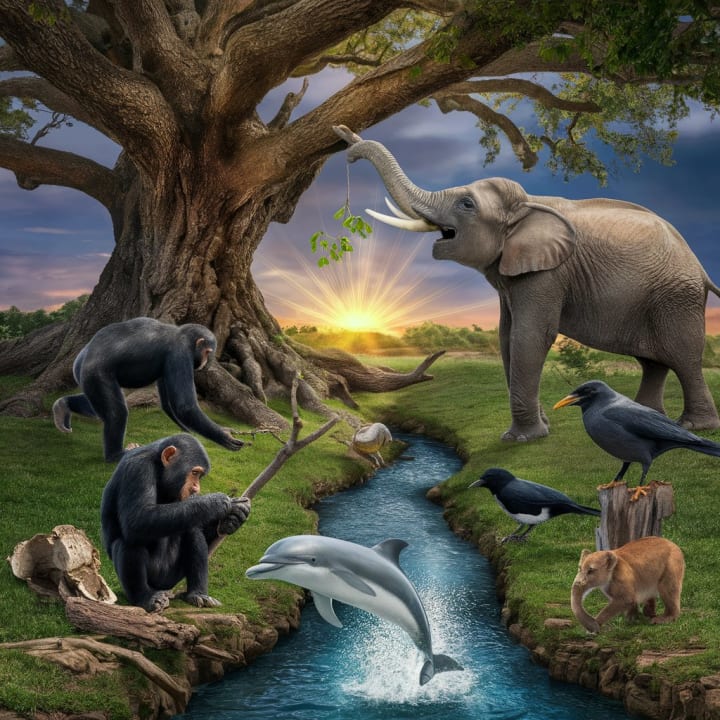
In the opening chapter, de Waal sets the stage by defining cognition and its various dimensions. He explains that cognition encompasses not only the ability to think and reason but also to perceive, remember, and problem-solve. De Waal critiques the anthropocentric approach that has dominated the study of animal intelligence, emphasizing that intelligence should be measured based on the ecological and social contexts of each species. He introduces the concept of "cognitive ripples," where intelligence is viewed as a spectrum rather than a hierarchical ladder with humans at the top.
Chapter 2: The Human Ladder
De Waal traces the history of comparative psychology and ethology, highlighting how early researchers placed humans at the pinnacle of intelligence. This chapter explores the biases that influenced scientific studies, such as the notion of "tool use" being a unique marker of human intelligence. De Waal presents compelling evidence of tool use and problem-solving skills in various animal species, from primates to birds, undermining the idea that these traits are exclusively human.
Chapter 3: Evolutionary Cognition
In this chapter, de Waal discusses the evolution of cognition, arguing that intelligence has evolved in multiple forms across different species. He introduces the concept of "convergent evolution," where similar cognitive abilities have developed independently in distantly related species. Through examples like the complex social behaviors of dolphins and the problem-solving skills of octopuses, de Waal illustrates that intelligence is not confined to a linear progression but is instead a diverse and adaptive trait.
Chapter 4: The Social Dimension
De Waal emphasizes the importance of social intelligence, particularly in species with complex social structures. He explores the cognitive abilities required for social interactions, such as empathy, cooperation, and conflict resolution. The chapter delves into studies on primates, elephants, and birds, showcasing their capacity for social learning and understanding of social hierarchies. De Waal argues that social intelligence is a crucial aspect of overall cognitive ability and should not be underestimated.
Chapter 5: Mirrors of the Mind
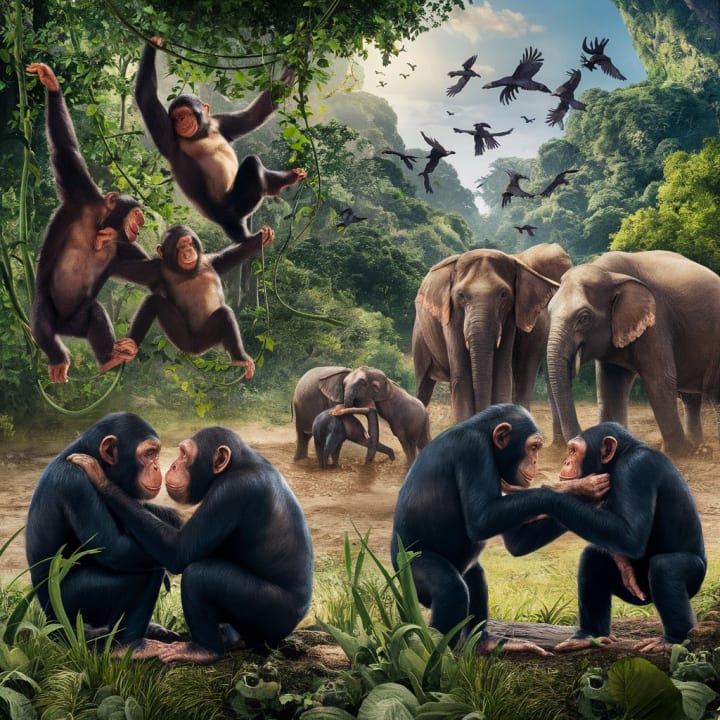
This chapter focuses on the concept of self-awareness and the use of mirrors in cognitive research. De Waal examines the "mirror test" as a measure of self-recognition, discussing its limitations and cultural biases. He presents evidence of self-awareness in animals like great apes, dolphins, and elephants, suggesting that self-recognition is more widespread than previously thought. De Waal also explores alternative methods to assess self-awareness, advocating for a more nuanced understanding of this trait.
Chapter 6: The Measure of All Things
De Waal critiques the methods used to measure animal intelligence, arguing that many tests are designed with human cognition as the benchmark. He discusses the limitations of traditional intelligence tests and introduces the concept of "species-appropriate" testing. By tailoring cognitive tests to the natural behaviors and ecological niches of different species, researchers can gain a more accurate understanding of their mental capabilities. De Waal provides examples of innovative testing methods that have revealed surprising insights into animal cognition.
Chapter 7: Clever Hands and Minds
Tool use and manipulation are central themes in this chapter, where de Waal explores the dexterity and problem-solving abilities of various species. He discusses the cognitive processes involved in using and creating tools, highlighting examples from primates, birds, and even fish. De Waal argues that tool use is not a unique marker of intelligence but rather one of many manifestations of cognitive ability. He emphasizes the need to consider the ecological and social contexts in which these behaviors occur.
Chapter 8: The World from an Animal’s Point of View
De Waal delves into the concept of Umwelt, the subjective perception of the world unique to each species. He explains how animals experience their environments through their sensory and cognitive abilities, which differ significantly from human experiences. This chapter highlights the importance of understanding these differences to appreciate the full extent of animal intelligence. De Waal provides examples of how animals navigate, communicate, and interact with their environments in ways that are often overlooked by human observers.
Chapter 9: Animal Cultures
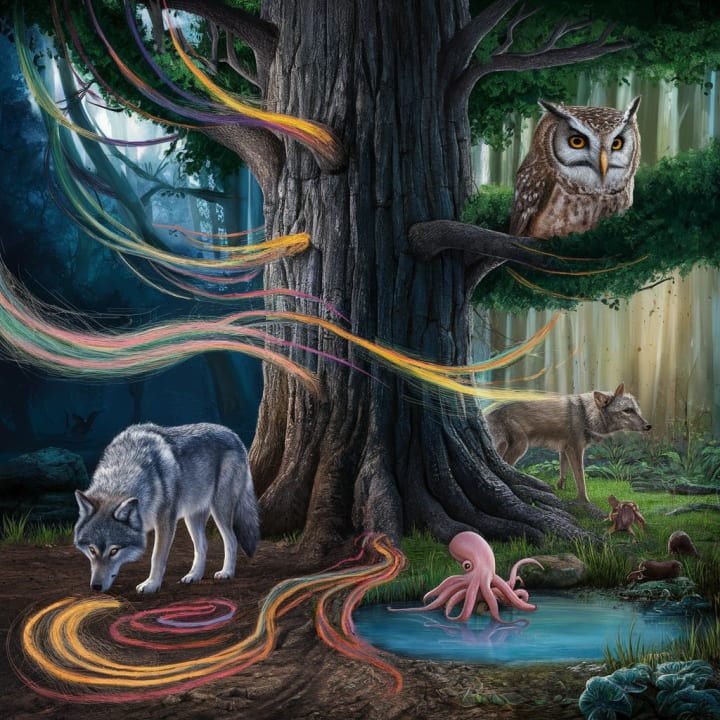
In this chapter, de Waal explores the concept of culture in the animal kingdom. He defines culture as behaviors and knowledge passed down through generations via social learning. De Waal presents evidence of cultural transmission in species such as chimpanzees, whales, and birds, showcasing their ability to develop and maintain traditions. He argues that recognizing animal cultures challenges the notion of human uniqueness and calls for a broader definition of culture that includes non-human species.
Chapter 10: The Moral Lives of Animals
De Waal concludes with a discussion on morality and ethics in animals, examining behaviors that suggest a sense of fairness, empathy, and altruism. He presents studies on primates, elephants, and other species that demonstrate these moral behaviors, arguing that they are not exclusive to humans. De Waal contends that acknowledging the moral capacities of animals has profound implications for how we treat them and calls for a reevaluation of our ethical responsibilities toward other species.
Conclusion
"Are We Smart Enough to Know How Smart Animals Are?" challenges readers to rethink their assumptions about intelligence and the animal kingdom. Frans de Waal presents a compelling case for a more inclusive and respectful understanding of animal cognition, highlighting the diverse and complex mental lives of non-human species. By recognizing the limitations of our perspective and embracing a more species-appropriate approach to studying intelligence, we can gain deeper insights into the minds of animals and foster a greater appreciation for the rich tapestry of life on Earth.
**Affiliate Disclosure** This article contains affiliate links, meaning that we will receive a small commission at no added cost to you as part of our partnership with Audible when you sign up for a free trial to obtain this book.
About the Creator
Keep reading
More stories from Ermelita T. Engracio and writers in Education and other communities.
The Laws of Human Nature
Introduction "The Laws of Human Nature" by Robert Greene is a comprehensive exploration of the underlying motivations and behaviors that drive human actions. Greene delves into the psychological principles and timeless truths about human nature, offering insights and strategies to better understand oneself and others. By examining historical figures, literary works, and contemporary examples, Greene provides a rich tapestry of human behavior, encouraging readers to harness this knowledge to navigate the complexities of social interactions, personal growth, and professional success.
By Ermelita T. Engracio2 years ago in Education
The One Lighting Move That Instantly Makes Your Photos Look Better
Photography advice often focuses on complex settings, advanced editing, or buying better equipment. While those things can help, they often distract from something far more powerful and immediate. One simple lighting habit can dramatically improve almost every photo you take, whether you’re shooting with a phone or a professional camera.
By Kelln Small4 days ago in Education
Managing Anxiety During Exams: A Student’s Guide
Exams are one of the most common sources of stress for students at every level. Even the most prepared individuals often feel nervous before or during a test. Exam anxiety is natural — it’s the body’s way of preparing for a challenge — but excessive stress can interfere with focus, memory recall, and overall performance. Understanding the causes of anxiety and learning effective coping strategies can make a significant difference. This guide provides practical, evidence-based techniques to manage stress before, during, and after exams.
By Games Mode On5 days ago in Education
Affection and Healing for Yourself
During the night of the last quarter moon, I gathered my ritual supplies. I carefully handled the chunk of black tourmaline that would protect me from your overall negative and narcissistic energy. I carefully walked the house with my stick of selenite in hand, asking the universe to cleanse our working space.
By Alisha Wilkins ✒️🦋🖋️4 days ago in Fiction




Comments (1)
Wow , such an interesting 👏 treatise