
Wheat Germ Oil and Its Role in Nutritional and Functional Applications
Understanding Composition, Benefits, and Commercial Uses

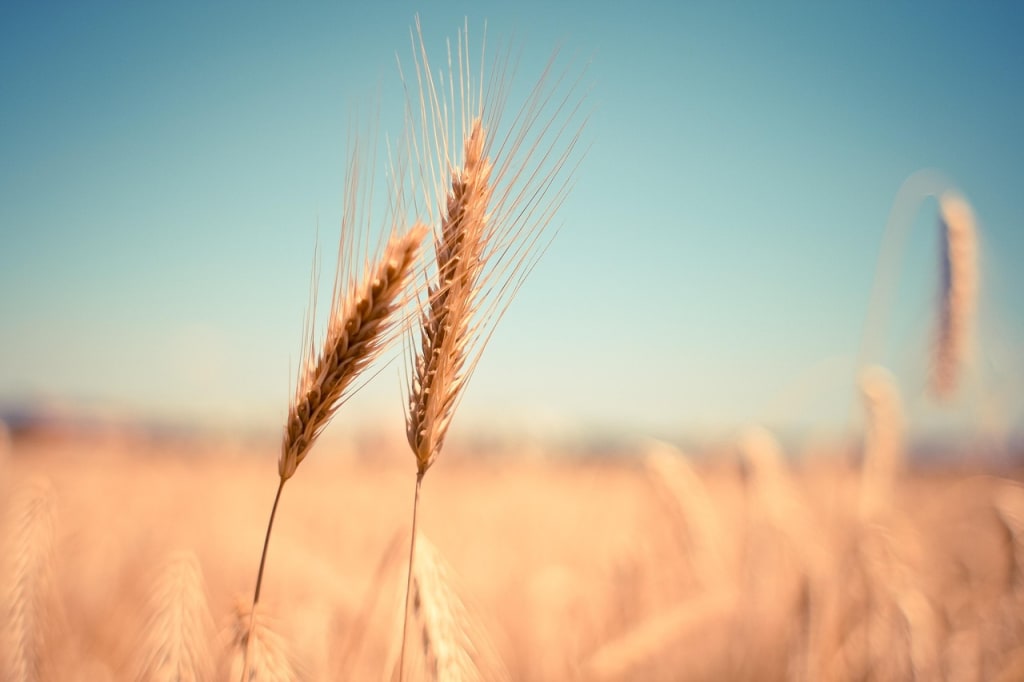
Wheat germ oil is a highly nutritious natural oil extracted from the germ of the wheat kernel. Although it represents only a small fraction of the wheat grain, the germ is the most nutrient-dense part, making wheat germ oil one of the richest sources of essential vitamins, antioxidants, and fatty acids. Over the years, wheat germ oil has gained significant attention across the food, cosmetic, pharmaceutical, and nutraceutical industries due to its health-promoting properties and versatile applications.
This article provides a comprehensive and easy-to-understand overview of wheat germ oil, covering its origin, composition, production process, health benefits, applications, challenges, and future outlook.
Understanding Wheat Germ Oil
Wheat germ oil market is derived from the embryo of the wheat grain, which is responsible for sprouting and plant growth. While wheat flour is produced mainly from the endosperm, the germ is separated during milling and processed to extract oil.
Because the germ contains concentrated nutrients to support plant development, the oil extracted from it is exceptionally rich in bioactive compounds. Wheat germ oil is typically golden-yellow in color with a mild, nutty aroma and flavor.
Composition and Nutritional Profile
The nutritional richness of wheat germ oil sets it apart from many other edible oils.
Essential Fatty Acids
Wheat germ oil is high in polyunsaturated fatty acids, particularly linoleic acid and alpha-linolenic acid. These fatty acids are important for maintaining cell structure, heart health, and metabolic functions.
Vitamin E Content
One of the most notable features of wheat germ oil is its exceptionally high vitamin E content. It is considered one of the richest natural sources of tocopherols, which act as powerful antioxidants.
Antioxidants and Phytosterols
In addition to vitamin E, wheat germ oil contains antioxidants and phytosterols that help protect cells from oxidative stress and support cholesterol balance.
Other Nutrients
The oil also provides small amounts of vitamins A, D, and K, along with minerals and bioactive compounds that contribute to overall health.
Production and Extraction Methods
The quality of wheat germ oil largely depends on the extraction method used.
Cold Pressing
Cold pressing is the most preferred method for producing high-quality wheat germ oil. It involves mechanically pressing the germ at low temperatures, preserving heat-sensitive nutrients such as vitamin E.
Solvent Extraction
This method uses chemical solvents to extract oil from wheat germ. While it yields higher quantities, it may reduce nutritional value and requires additional refining.
Refining Process
Refined wheat germ oil undergoes processes such as filtration, deodorization, and bleaching. While refining improves shelf life and stability, it may reduce some nutritional benefits.
Cold-pressed wheat germ oil is generally favored for nutritional and cosmetic applications.
Health Benefits of Wheat Germ Oil
Supports Heart Health
The presence of essential fatty acids and phytosterols helps maintain healthy cholesterol levels and supports cardiovascular function.
Powerful Antioxidant Protection
Vitamin E in wheat germ oil protects cells from oxidative damage caused by free radicals. This helps reduce inflammation and supports long-term health.
Enhances Skin Health
Wheat germ oil is widely used in skincare due to its moisturizing and regenerative properties. It helps improve skin elasticity, reduce dryness, and support skin repair.
Boosts Immune Function
Antioxidants and essential nutrients in wheat germ oil contribute to immune system support by protecting cells and promoting overall vitality.
Supports Reproductive and Hormonal Health
Traditionally, wheat germ oil has been associated with reproductive health due to its vitamin E content, which plays a role in hormone balance and cell function.
Aids Muscle and Nerve Function
The oil supports muscle recovery and nerve health, making it beneficial for physically active individuals.
Applications in the Food Industry
In the food sector, wheat germ oil is valued for its nutritional benefits rather than high-temperature cooking performance.
It is commonly used in:
• Dietary supplements and capsules
• Salad dressings and cold dishes
• Nutritional blends and functional foods
Due to its low smoke point, wheat germ oil is not recommended for frying or high-heat cooking.
Role in Dietary Supplements and Nutraceuticals
Wheat germ oil is widely used in nutraceutical formulations due to its high vitamin E content and antioxidant properties. It is commonly found in:
• Softgel capsules
• Wellness supplements
• Sports nutrition products
Consumers seeking natural antioxidant support often prefer wheat germ oil-based supplements.
Applications in Cosmetics and Personal Care
The cosmetic industry extensively uses wheat germ oil for its skin-conditioning properties.
Common applications include:
• Moisturizing creams and lotions
• Anti-aging serums
• Hair care products
• Massage oils
The oil helps nourish dry skin, improve elasticity, and protect against environmental damage. In hair care, it supports scalp health and adds shine to hair.
Pharmaceutical and Therapeutic Uses
In pharmaceutical formulations, wheat germ oil is used as a carrier oil and active ingredient in topical applications. Its antioxidant and anti-inflammatory properties make it suitable for:
• Skin healing formulations
• Supportive therapy products
• Vitamin E delivery systems
Its natural origin and biocompatibility enhance its appeal in medical and therapeutic applications.
Shelf Life and Storage Considerations
Wheat germ oil is sensitive to light, heat, and oxygen due to its high unsaturated fat content. Improper storage can lead to oxidation and rancidity.
To maintain quality, wheat germ oil should be:
• Stored in dark, airtight containers
• Kept in cool environments
• Protected from direct sunlight
Refrigeration is often recommended to extend shelf life.
Challenges Associated with Wheat Germ Oil
Limited Shelf Stability
High levels of unsaturated fats make the oil prone to oxidation, limiting its shelf life.
Higher Production Cost
The wheat germ represents a small portion of the grain, making oil extraction relatively expensive.
Allergen Concerns
As a wheat-derived product, wheat germ oil may not be suitable for individuals with wheat allergies, although it is often gluten-free when properly processed.
Sustainability and By-Product Utilization
Wheat germ oil production supports sustainability by utilizing a by-product of wheat milling. Instead of discarding the germ, it is converted into high-value oil, reducing waste and improving resource efficiency.
This aligns with growing consumer demand for sustainable and responsibly sourced ingredients.
Market Demand and Industry Trends
Global demand for wheat germ oil is increasing due to rising awareness of natural health products and clean-label ingredients. Growth is driven by:
• Expansion of the nutraceutical industry
• Increasing use of natural oils in cosmetics
• Consumer preference for plant-based ingredients
Manufacturers are investing in improved extraction technologies to enhance quality and yield.
Future Outlook for Wheat Germ Oil
The future of wheat germ oil looks promising as industries shift toward natural, functional, and sustainable ingredients. Continued research into its health benefits and improved stabilization techniques is expected to expand its applications further.
With growing interest in preventive healthcare and natural cosmetics, wheat germ oil is well-positioned for long-term growth.
Conclusion
Wheat germ oil is a nutrient-rich natural oil with wide-ranging benefits and applications. Its high vitamin E content, essential fatty acids, and antioxidant properties make it valuable in food, nutraceutical, cosmetic, and pharmaceutical industries. Despite challenges related to shelf life and production costs, its health benefits and versatility continue to drive demand.
As consumers increasingly prioritize natural and functional products, wheat germ oil stands out as a powerful ingredient that bridges nutrition, wellness, and sustainability. With proper processing, storage, and application, it remains a valuable component in modern health and personal care solutions.
About the Creator
Bobby Yadav
Experienced research analyst with a strong background in market research, data analysis, and industry trend evaluation. Skilled in delivering actionable insights, market forecasts, and strategic recommendations to support business growth.
Keep reading
More stories from Bobby Yadav and writers in Education and other communities.
E-Bikes as a Sustainable Solution for Urban and Suburban Mobility
Electric bicycles, commonly known as e-bikes, have rapidly emerged as one of the most influential innovations in personal transportation. Blending traditional cycling with electric power assistance, the e-bike market offers an efficient, sustainable, and accessible mobility solution for people of all ages. As cities face challenges such as traffic congestion, air pollution, and rising fuel costs, e-bikes are increasingly viewed as a practical alternative to conventional vehicles.
By Bobby Yadavabout 8 hours ago in Education
The Interview That Tested More Than Skills
The interview was scheduled for ten in the morning, but I arrived at the building an hour early. I didn’t want to risk being late, not today. This opportunity meant more than just a job. It felt like a doorway to a future I had been quietly working toward for years. As I sat in the lobby, watching people pass by with confident strides, I realized how small the moment looked from the outside—and how enormous it felt on the inside.
By NAIB REHMAN3 days ago in Education
From Bullion to Numismatic: How to Identify and Grade Modern U.S. Commemorative Coins
For over eight years as a Senior Numismatic Analyst, I've witnessed countless collectors reach a fascinating crossroads. They start with bullion coins—valuable for their weight in gold or silver—but eventually feel drawn to coins with a story. This is where the world of modern U.S. commemorative coins opens up, blending precious metal with historical narrative, artistic beauty, and the intricate craft of numismatic grading. Shifting your focus from pure metal content to a coin's condition, rarity, and design is the journey from an investor to a true collector. This guide will equip you with the knowledge to confidently identify, evaluate, and grade these modern treasures.
By Laura Bennettabout 12 hours ago in Education




Comments
There are no comments for this story
Be the first to respond and start the conversation.