
E-Bikes as a Sustainable Solution for Urban and Suburban Mobility
Examining Technology, Adoption Trends, and Societal Impact

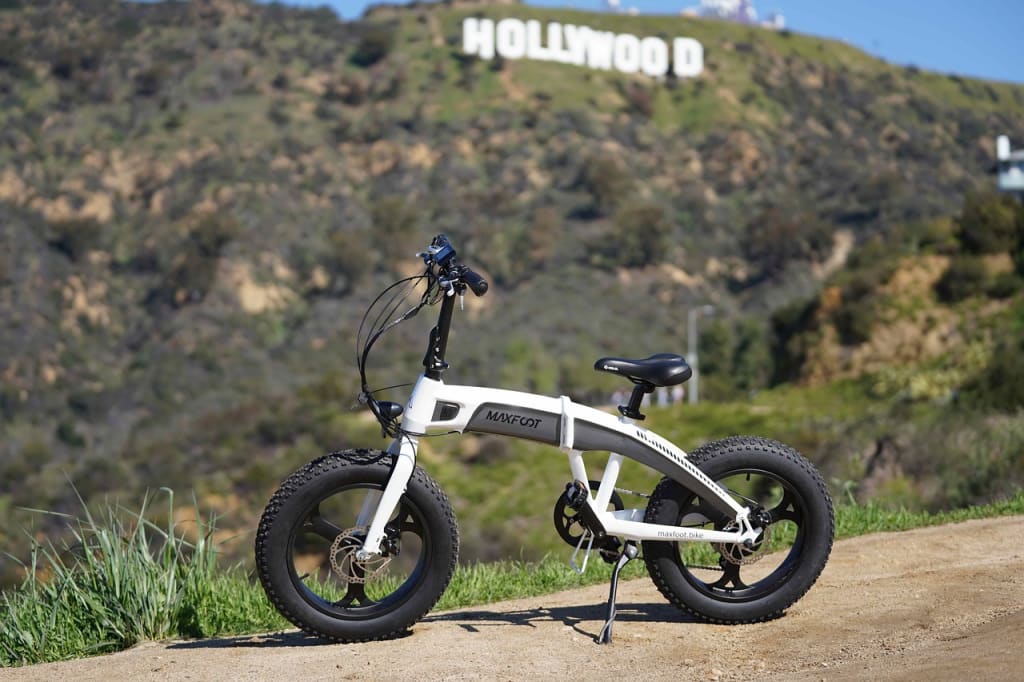
Electric bicycles, commonly known as e-bikes, have rapidly emerged as one of the most influential innovations in personal transportation. Blending traditional cycling with electric power assistance, the e-bike market offers an efficient, sustainable, and accessible mobility solution for people of all ages. As cities face challenges such as traffic congestion, air pollution, and rising fuel costs, e-bikes are increasingly viewed as a practical alternative to conventional vehicles.
This article provides a comprehensive and easy-to-understand overview of e-bikes, covering how they work, their types, benefits, applications, challenges, market trends, and future potential.
What Is an E-Bike?
An e-bike is a bicycle equipped with an electric motor, a rechargeable battery, and a control system that assists the rider while pedaling. Unlike motorcycles or scooters, e-bikes are designed to complement human effort rather than replace it entirely. The electric motor provides assistance based on pedaling input, making cycling easier, faster, and less physically demanding.
Most e-bikes can also operate in pedal-only mode, allowing riders to cycle traditionally when desired. The level of motor assistance can usually be adjusted through control settings.
How E-Bikes Work
The basic working mechanism of an e-bike involves several key components:
Electric Motor
The motor provides additional power to assist pedaling. It can be located in the front hub, rear hub, or mid-drive (center of the bike near the pedals). Each motor type offers different performance characteristics.
Battery
The battery supplies power to the motor and is typically lithium-ion based. Battery capacity determines how far an e-bike can travel on a single charge.
Controller and Sensors
Sensors detect pedaling speed, torque, and cadence, while the controller regulates how much power the motor delivers based on rider input.
Display and Controls
Most e-bikes include a display that shows speed, battery level, distance traveled, and assistance mode.
Together, these components create a smooth and responsive riding experience.
Types of E-Bikes
E-bikes come in various designs to suit different riding needs and environments.
Pedal-Assist E-Bikes
These e-bikes provide motor assistance only when the rider is pedaling. They are the most common type and are often classified as bicycles under traffic laws.
Throttle-Control E-Bikes
These allow riders to engage the motor using a throttle without pedaling. They offer convenience but may face stricter regulations in some regions.
City and Commuter E-Bikes
Designed for urban travel, these e-bikes focus on comfort, practicality, and efficiency. They often include features such as lights, racks, and fenders.
Mountain E-Bikes
Built for off-road use, these e-bikes feature powerful motors, durable frames, and enhanced suspension systems.
Cargo E-Bikes
Cargo e-bikes are designed to carry heavy loads, making them popular for deliveries, family transport, and small businesses.
Benefits of E-Bikes
Environmentally Friendly Transportation
E-bikes produce zero direct emissions, making them an eco-friendly alternative to cars and motorcycles. They contribute to reduced air pollution and lower carbon footprints.
Cost-Effective Mobility
Compared to cars or motorbikes, e-bikes have significantly lower purchase, maintenance, and operating costs. Charging an e-bike battery costs only a fraction of fuel expenses.
Improved Accessibility
E-bikes make cycling accessible to people who may find traditional biking challenging, including older adults or individuals with physical limitations.
Reduced Traffic Congestion
E-bikes take up less space on roads and can ease congestion in densely populated urban areas.
Health and Fitness Benefits
Although motor-assisted, e-bikes still require physical effort. Riders benefit from regular exercise while avoiding excessive strain.
E-Bikes in Urban Commuting
Urban commuting is one of the fastest-growing applications for e-bikes. Many commuters choose e-bikes to avoid traffic jams, parking difficulties, and unreliable public transport schedules.
E-bikes allow riders to travel longer distances without arriving exhausted, making them ideal for daily commuting. Cities that invest in cycling infrastructure often see higher adoption rates of e-bikes.
Role of E-Bikes in Sustainable Transportation
E-bikes play a key role in the transition toward sustainable transportation systems. Governments and municipalities around the world are encouraging e-bike adoption through incentives, subsidies, and infrastructure development.
E-bikes complement public transport by solving the “last-mile” problem, enabling users to travel easily between transit stations and their final destinations.
Battery Technology and Charging
Battery technology is central to e-bike performance. Modern e-bikes use lithium-ion batteries due to their lightweight design, long lifespan, and fast charging capability.
Charging an e-bike typically takes between three to six hours, depending on battery capacity. Most batteries can be removed and charged separately, offering convenience for apartment dwellers.
Battery range varies based on factors such as terrain, rider weight, assistance level, and riding style.
Safety Considerations for E-Bike Riders
Safety is an important aspect of e-bike usage. While e-bikes are generally safe, higher speeds compared to traditional bicycles require responsible riding.
Key safety practices include wearing helmets, using proper lighting, maintaining brakes and tires, and following local traffic regulations. Rider awareness and education are essential for safe integration with other road users.
Regulatory Landscape for E-Bikes
E-bike regulations vary across countries and regions. Authorities often classify e-bikes based on speed limits, motor power, and whether throttle control is allowed.
In many regions, pedal-assist e-bikes are treated similarly to bicycles, while higher-powered models may require registration, licensing, or insurance. Understanding local regulations is important for both manufacturers and riders.
E-Bike Market Growth and Trends
The global e-bike market has experienced rapid growth in recent years, driven by urbanization, environmental awareness, and technological advancements.
Key trends shaping the market include:
Growing demand for lightweight and long-range batteries
Integration of smart features such as GPS tracking and mobile connectivity
Expansion of e-bike sharing and rental services
Increased adoption by logistics and delivery companies
E-bikes are no longer a niche product but a mainstream transportation solution.
Challenges Facing the E-Bike Industry
Despite strong growth, the e-bike industry faces several challenges.
High upfront costs can be a barrier for some consumers, although long-term savings often offset initial expenses. Battery disposal and recycling also present environmental concerns that require proper management.
Infrastructure limitations, such as insufficient bike lanes and charging facilities, can hinder widespread adoption in certain regions.
E-Bikes and the Future of Mobility
The future of e-bikes looks promising as cities move toward cleaner, more efficient transportation systems. Technological innovations such as improved battery density, faster charging, and connected mobility solutions will continue to enhance the e-bike experience.
E-bikes are expected to play a significant role in smart city initiatives, shared mobility programs, and sustainable urban planning.
Impact of E-Bikes on Lifestyle and Society
Beyond transportation, e-bikes are influencing lifestyles and social behavior. They encourage outdoor activity, promote healthier routines, and provide new mobility options for people across different age groups.
E-bikes also support local economies by enabling small businesses, delivery services, and tourism activities in an efficient and eco-friendly way.
Choosing the Right E-Bike
Selecting the right e-bike depends on individual needs, usage patterns, and budget. Factors to consider include motor type, battery range, terrain, riding frequency, and comfort features.
A well-chosen e-bike can significantly improve daily mobility and overall quality of life.
Conclusion
E-bikes represent a powerful shift in how people move within cities and beyond. By combining the simplicity of cycling with the convenience of electric assistance, e-bikes offer an efficient, sustainable, and accessible mobility solution. They address many modern transportation challenges, including congestion, pollution, and rising fuel costs.
As technology advances and infrastructure improves, e-bikes will continue to gain popularity across the globe. Their role in shaping the future of urban mobility, environmental sustainability, and healthy living is becoming increasingly important. For individuals, cities, and societies alike, e-bikes are more than just a trend—they are a key component of the future of transportation.
About the Creator
Bobby Yadav
Experienced research analyst with a strong background in market research, data analysis, and industry trend evaluation. Skilled in delivering actionable insights, market forecasts, and strategic recommendations to support business growth.
Keep reading
More stories from Bobby Yadav and writers in Education and other communities.
Battery-As-A-Service Models Driving Innovation in Electric Transportation
The global shift toward electrification and clean energy has placed batteries at the center of modern technological progress. Batteries power electric vehicles, support renewable energy systems, enable mobile devices, and ensure backup power for critical infrastructure. Despite their importance, batteries remain expensive, complex to maintain, and challenging to manage throughout their lifecycle. To address these challenges, a new business model known as Battery-As-A-Service (BaaS) is gaining global attention.
By Bobby Yadavabout 2 hours ago in Education
Protest Smart
The Night the Air Turned to Fire It starts the same way every time. Chants bounce off brick walls. Sirens howl somewhere down the block. The crowd swells, hearts loud, voices louder. Then the wind shifts—and suddenly your eyes feel like they’ve been dunked into a vat of molten peppers.
By A.W. Navesa day ago in Education
Best Laptop for Adobe Illustrator
If you’ve ever opened Adobe Illustrator and felt your laptop slow you down, lag on big files, or struggle with smooth zooming, this blogpost is for you. The right laptop can make designing feel fast, smooth, and honestly enjoyable.
By Projectorsea6 days ago in Education



Comments
There are no comments for this story
Be the first to respond and start the conversation.