
What Is the Role of Sleep in Mental Health?
Role of Sleep in Mental Health
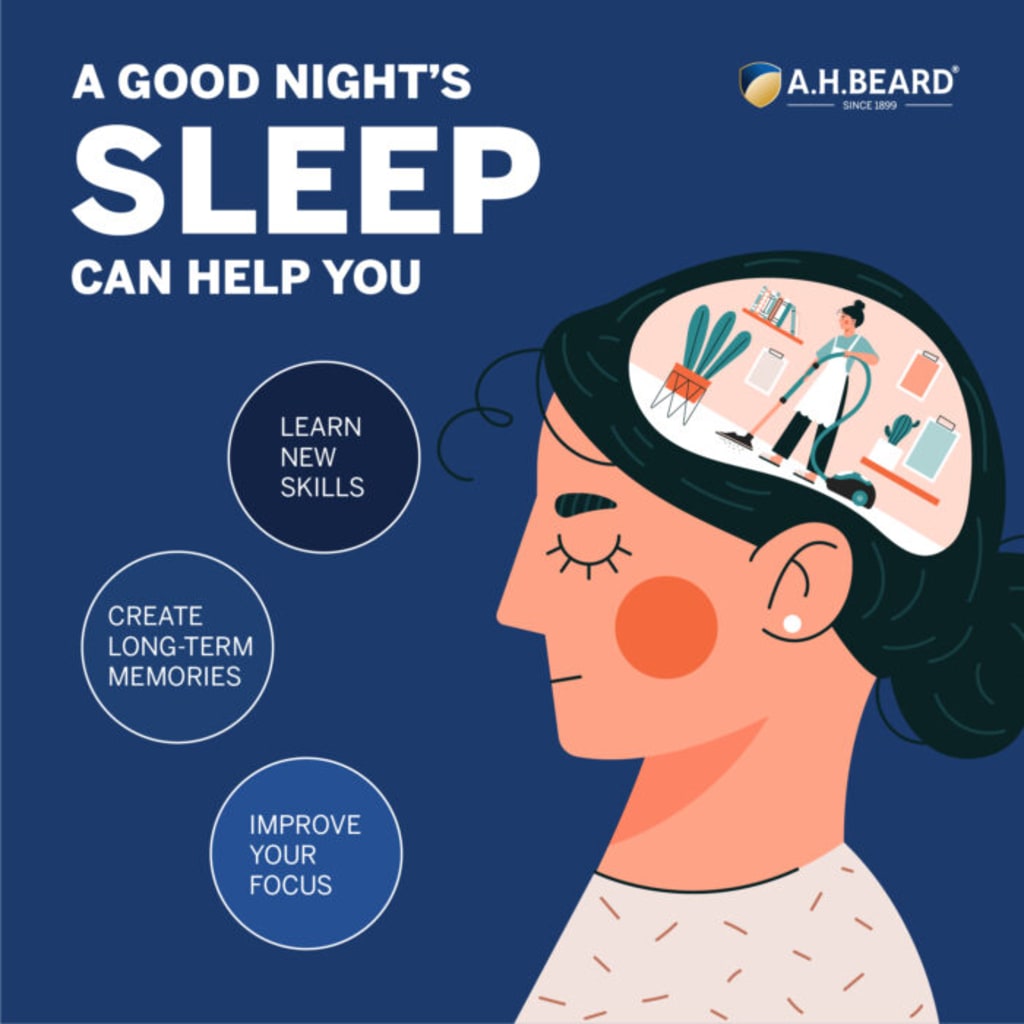
Sleep is a natural biological function, as vital as water and food. But in today's hectic lifestyle, it gets neglected. People sacrifice sleep for work, social life, or screen-gazing without realizing how sleep can influence mental well-being. Science consistently demonstrates how the quality and quantity of sleep directly impact mood, thought, emotional regulation, and psychological well-being.
The Relationship between Sleep and Mental Health
Sleep and mental health are reciprocally related: poor sleep worsens mental illness, and mental illness worsens sleep. This can become a self-perpetuating cycle if left unaddressed. For example, individuals with insomnia are at higher risk of developing depression or anxiety, and individuals with depression experience disturbed sleep patterns.
Sleep affects mental health in several important ways:
Emotional Regulation: Sleeping controls emotions. Slumbering less increases irritability, mood changes, and stress vulnerability.
Cognitive Abilities: Proper sleeping improves concentration, decision-making, solving problems, and memory. Degrading sleep degrades these abilities, making daily challenges harder to handle.
Stress Relief: Sleeping reduces cortisol (stress hormone). Slumbering less keeps cortisol levels high, increasing anxiety and tension.
Resilience: Individuals who sleep well adapt better to adversity and are less likely to experience mental health breakdown under stress.
Sleep Disorders and Mental Health
Direct correlations between certain sleep disorders and psychological disorders exist:
Insomnia: Failure to fall or stay asleep has significant correlation with depression and anxiety.
Sleep Apnea: Interfered breathing during the night causes disrupted sleep and has correlation with cognitive impairment and mood disorders.
Restless Legs Syndrome: This neurological disorder may cause night distress, which impairs sleep quality and makes one susceptible to depression.
Circadian Rhythm Disorders: Disruption of the internal clock of the body (e.g., shift work or jet lag) can lead to mood instability.
How Poor Sleep Affects Mental Health
Depression: About 75% of people experiencing depression have insomnia or other sleep disturbances. Not only do sleep disturbances aggravate depressive symptoms, but also reduce the effectiveness of treatment.
Anxiety Disorders: Sleep deprivation heightens the brain's alarm system to possible danger, heightening worry and panic.
Bipolar Disorder: Sleep disruptions typically trigger manic or depressive episodes.
Schizophrenia: Disturbed sleep patterns typically aggravate symptoms like hallucinations or delusions.
Post-Traumatic Stress Disorder (PTSD): Nightmares and sleep disturbance are fundamental symptoms of PTSD, and sleep disturbance exacerbates symptoms.
Why Sleep Is So Important to the Brain
While sleeping, the brain completes essential restorative processes:
Memory Consolidation: Sleep consolidates learning and memory by consolidating new information.
Emotional Processing: REM sleep (dream sleep) enables the brain to process emotional experiences, lessening distress.
Neural Detoxification: Sleep clears toxins and metabolic wastes from the brain, protecting against cognitive decline.
Brain Plasticity: Sleep enables neural connections, important for flexibility and growth.
When sleep is not provided, these functions are disrupted, and they lead to irritability, poor attention, and mood swings.
The Function of Sleep in Children and Teenagers
Sleep is especially critical among younger populations:
Children: Poor sleep leads to hyperactivity, attention deficit, and learning issues.
Teenagers: Teenage sleep deprivation is linked to depression, drug use, and lower academic achievement.
Long-Term Risks: Poor sleep in children and adolescents sets the stage for chronic mental illnesses in adults.
Sleep and Stress: A Vicious Cycle
Stress and sleep tend to be very intertwined. Stressful events keep the brain too alert at night, preventing it from sleeping. Poor sleep reduces the ability to manage stress. This leaves room for poor sleep causing stress, and stress further impairing sleep.
Strategies for Improving Sleep and Mental Health Support
Improving sleep habits—referred to as sleep hygiene—can significantly enhance mental health.
Stick to a Consistent Sleep Schedule: Go to bed and wake up at the same time every day, including weekends.
Develop a Soothing Pre-Sleep Routine: Reading, meditation, or gentle stretching informs the body that it is time to sleep.
Steer Clear of Screen Time Before Sleeping: Phone and computer blue light inhibits melatonin, which regulates sleep.
Sleep Environment Optimization: A cold, dark, and quiet bedroom promotes restful sleep.
Limit Stimulants: Avoid caffeine, nicotine, and large meals close to bedtime.
Exercise Regularly: Exercise is generally good for sleep, but best not in the heavy form of just before sleeping.
Manage Stress: Mindfulness, writing in a journal, or therapy can reduce nighttime worry.
Seek Medical Help: Prolonged insomnia or sleep problems may require professional evaluation for underlying issues such as sleep apnea or anxiety disorders.
Case Example
Anita, a 29-year-old marketing manager, changed her computer into a laptop and spent many late evenings browsing social media in bed. She began to feel anxious, drained, and irritable. On consulting a psychologist, Anita understood that her poor sleep was deteriorating her mental well-being. She established a strict bedtime routine, reduced screen time before bedtime, and practiced some deep breathing exercises. Within weeks, her sleep and mood and concentration improved.
This is to illustrate how prioritizing sleep can truly impact mental health.
Long-Term Benefits of Healthy Sleep
Improved Mood: More stable control of emotions and fewer risks of mood disorder.
Enhanced Cognitive Function: Sharper memory, learning, and creativity.
Lower Stress Level: More tranquil and stable response to the challenges of everyday life.
Improved Immune Function: Increased resistance to disease.
Increased Resilience: Ability to confront adversity clearly and with vigor.
Final Thoughts
Sleep is not a luxury, but a mental and emotional necessity. In addition to diet and exercise as pillars to good health, so too is restorative and adequate sleep. Ignoring sleep can acutely increase risk of depression, anxiety, and other illnesses. On the other hand, developing healthy sleep habits empowers the brain and body to be their best.
By giving precedence to sleep, one can improve not only their mental health but also their life as a whole.
For expert advice and treatment recommendations regarding sleep and mental illness, click on:
About the Creator
Keep reading
More stories from Naveen Garg and writers in Education and other communities.
How Does Social Support Impact Mental Health?
How Does Social Support Impact Mental Health? Humans are social beings. Right from the start, we need contact, belonging, and membership. Social support—the friendships we enjoy with family, friends, coworkers, or social groups—is a must to our emotional and psychological well-being. In times of adversity, supporting relationships may be a source of comfort, strength, and wisdom. Isolation and loneliness, by contrast, can significantly increase the likelihood of mental illness.
By Naveen Garg5 months ago in Education
Avoiding Common Counterfeit U.S. Coins: Expert Tips from Laura Bennett
Expert Guide to Spotting Fake U.S. Coins I’ve handled tens of thousands of coins in my career, and that moment of doubt—the gut feeling something isn’t right—is something every collector experiences. That feeling isn't a weakness; it's your best line of defense. This guide is your toolkit to turn that doubt into decisive action. I’ll share the same systematic approach I use to separate the real treasures from the clever fakes, so you can build your collection with confidence.
By Laura Bennett7 days ago in Education



Comments
There are no comments for this story
Be the first to respond and start the conversation.