
What is the connection between trauma and mental health, and how can individuals begin the healing process?
connection between trauma and mental health
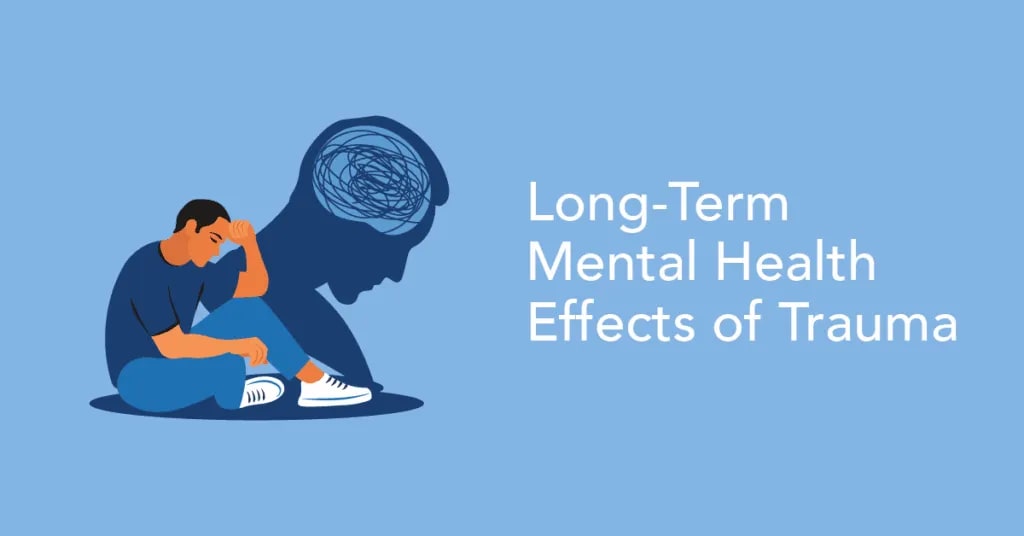
Trauma is a very disturbing or distressing event that entombs an individual under an intolerable burden. Either the product of a single episode or a history of prolonged exposure to harsh realities, trauma deeply and enduringly affects mental well-being. Traumatic wounds may or may not manifest on the exterior, but they may affect how an individual feels, thinks, relates with others, and responds to the world.
Understanding the connection between trauma and mental health is critical to the development of effective recovery strategies. It is not a matter of "getting over" what occurred but about learning to live with, and eventually thrive past, those painful events.
Defining Trauma
Trauma is not reserved for life-or-death circumstances. While events like physical or sexual assault, accidents, natural disasters, or military combat are likely to be labeled traumatic, everyday occurrences are traumatic too—especially when there's fear, loss, helplessness, or betrayal involved.
Some examples of trauma include:
Child abuse or neglect
Exposure to violence in the household
Unexpected loss of a family member or friend
Growing up in combat or violent communities
Emotional abuse or psychological manipulation
Medical trauma or illness
Being bullied or discriminated against
It is not the occurrence of the event but how one responds to it. Two people may experience the same event, and one is left with minimal or no damage, yet the other ends up with extreme mental illness. It is mostly due to resilience, past mental condition, heredity, and support from society.
Types of Trauma
Understanding the forms of trauma enables caregivers and individuals to recognize patterns of disturbance and behavior:
Acute Trauma
A single overwhelming event (e.g., car crash, attack).
Chronic Trauma
Extended or repeated exposure to distressing situations (e.g., domestic violence, poverty, bullying).
Complex Trauma
Repetitive exposure to multiple traumatic events, often in childhood, that heavily impact personality and emotional development.
Secondary or Vicarious Trauma
Occurs when individuals (e.g., medical professionals or rescue personnel) are indirectly exposed to trauma from others.
How Trauma Affects Mental Health
Trauma disrupts the normal functioning of the brain, particularly in areas that deal with stress management, memory, and emotion regulation. The amygdala, hippocampus, and prefrontal cortex—key brain regions—can be harmed. As a result, trauma survivors can become:
1. Post-Traumatic Stress Disorder (PTSD)
Characterized by flashbacks, nightmares, hyperarousal, and avoidance behaviors related to the traumatic event.
2. Depression
Frequent sadness, loss of interest in activities, and hopelessness are common post-trauma reactions.
3. Anxiety Disorders
Panic attacks, social anxiety, or overall anxiety commonly happen after trauma.
4. Dissociation
Dissociation from oneself or one's surroundings—most often a defense for unbearable pain.
5. Substance Use Disorders
Alcohol or drug use is common as coping mechanisms among survivors.
6. Borderline Personality Disorder (BPD)
This state also has close connections to early emotional trauma and is marked by hyperarousal and abandonment fear, as well as extreme emotional instability.
Trauma has physical effects—contributing to insomnia, headaches, gastrointestinal upset, and pain from the activation of the stress response system over the long term.
Recognizing the Signs of Unresolved Trauma
Not everyone handles trauma in the same way. Some signs are:
Intrusive thoughts or nightmares
Avoidance of persons, situations, or activities which remind the person of the traumatic event
Emotional numbing or disconnection
Hyperarousal—constantly being "on the edge"
Difficulty with trust of others
Low self-worth or self-blame
Difficulty with maintenance of relationships
Hopelessness about the future
If such symptoms have lasted more than a month and interfere with daily activities, they might be a sign of a trauma-related disorder requiring professional treatment.
Healing from Trauma: Steps Toward Recovery
Healing is a deeply personal journey that takes place over time. Though trauma can radically change the way a person perceives the world, recovery is indeed possible—with the right kind of support.
The following are the most important steps in healing:
1. Acknowledge and Validate the Experience
The initial step is to accept that trauma has happened and its impact is true and legitimate. Most survivors downplay their experiences, believing:
"It wasn't that bad."
"Other people have had it worse."
This type of thought makes one's suffering invalid and slows down the healing process. Trauma doesn't mean it's about staying a victim—it means it's about recognizing that the suffering is legitimate and assistance is required.
2. Get Professional Assistance
Trauma is intricate and usually highly embedded. Some therapies particularly useful are:
Trauma-Focused Cognitive Behavioral Therapy (TF-CBT)
Assists people in reframing damaging thoughts and beliefs connected to the trauma.
Eye Movement Desensitization and Reprocessing (EMDR)
A very studied intervention that uses bilateral stimulation to help reprocess traumatic memories.
Somatic Experiencing
Uses releasing trapped trauma in the body.
Narrative Therapy
Requests people to rewrite the story of their trauma so they can regain control and agency.
Mental health practitioners can also decide whether medication—e.g., antidepressants or anxiolytics—may be helpful in managing symptoms in the short term.
3. Create a Support System
Trauma loves silence and isolation. Whether it's a therapist, a supportive friend, support group, or family member, having safe emotional relationships is crucial.
Supportive people don't need to have all the solutions to the problem—just listen non-judgmentally and accept your feelings.
4. Grounding Techniques
Grounding pulls survivors out of the past (where trauma lives) and into the present moment. Some of those techniques include:
Deep breathing exercises
Naming five things you see/hear/feel in your current surroundings
Holding a tactile object (e.g., a stone or piece of clothing)
Doing mindfulness or yoga
These techniques reduce anxiety and help to modulate emotions in triggering contexts.
5. Establish Safety and Routine
Trauma prefers to take safety away. Re-establishing predictability through daily routines—sleeping, eating, exercising—can rebuild trust in self and the world.
Establishing a safe physical environment (e.g., securing living areas, limiting contact with triggering individuals) is also critical.
6. Address Negative Beliefs
Trauma warps self-perception. Survivors may have such beliefs as:
"I am broken."
"I deserved it."
"I can't trust anyone."
Counseling and self-reflection can challenge and exchange these for more positive, reality-based ones.
7. Allow Time to Mourn
Healing involves mourning not only the event but also what one lost—innocence, safety, relationships, or a part of one's identity. Mourning is not weakness, it is healing.
8. Create Boundaries
Survivors become out of control. Regaining control by setting emotional, physical, and relational boundaries can be very empowering. This may mean leaving abusive relationships or saying no without guilt.
9. Engage in Activities that Are Meaningful
By way of art, volunteering, work, or hobbies, rediscovery of meaning and enjoyment helps build a future not controlled by trauma. Expressive outlets like journaling or painting may help one work through complex feelings.
10. Be Patient with the Process
Trauma healing is not linear. There will be setbacks. What matters is persevering, not being flawless. Some days, survival is the victory.
Last Thoughts: From Surviving to Thriving
Trauma may change your story, but it will never define your worth or determine your potential. With compassionate nurture, inner strength, and the right guidance, survivors can transform their suffering into strength, reclaim ownership of their lives, and even help others do the same.
No one has to recover on their own. If you or someone you know is struggling, seeking help is not weakness—it's strength in motion.
For compassionate psychiatric treatment and trauma healing services, visit:
https://www.delhimindclinic.com/
https://www.craftcmsdeveloper.in/
Feel free to reach me if you'd like to revamp your Craft site or simply want to talk about your Craft project. I provide a complimentary consultation!
About the Creator
Keep reading
More stories from Naveen Garg and writers in Education and other communities.
How do mental illnesses influence relationships, and how can a couple or family help each other through it?
How do mental illnesses influence relationships, and how can a couple or family help each other through it? Mental health is the key in influencing our relationship with others—particularly in intimate relationships like romantic relationships, marriage, parent-child relationships, and sibling relationships. When there is a mental health concern in one or several individuals involved in a relationship, it can make the emotional, functional, and communication parts challenging that strain the relationship to its breaking point. But through empathy, a perspective on mental health, and proper support, not only can relationships survive mental health challenges, but they can emerge stronger from these challenges.
By Naveen Garg6 months ago in Education
How Business Coaching Helps Founders Scale With Clarity and Control
Business coaching assists founders to scale since hustle and reactivity are substituted with structure, systems and strategic leadership. Strategic coaching provides clarity in the marketing, operations, leadership, and decision-making roles of the business, eliminating the need to use the owner as the bottleneck, instead enabling the business to expand without havoc, burnout, or firefighting.
By Alice Adams3 days ago in Education
Half Dollars That Defied Time: Kennedy, Franklin & Walking Liberty
If you’ve found yourself holding an old half dollar, you’ve probably wondered: is this just pocket change, or could it be something more? I’ve had that same conversation with countless collectors in my eight years as a numismatist. The answer often hinges on three legendary names: Walking Liberty, Franklin, and Kennedy. More than just silver, these coins are tangible pieces of 20th-century America. This guide will help you understand their stories, values, and which one might be the perfect fit for your goals, whether you're building a collection or an investment.
By Laura Bennett4 days ago in Education



Comments
There are no comments for this story
Be the first to respond and start the conversation.