
What is Medical Coding, and Why is it Important?
Medical Coding
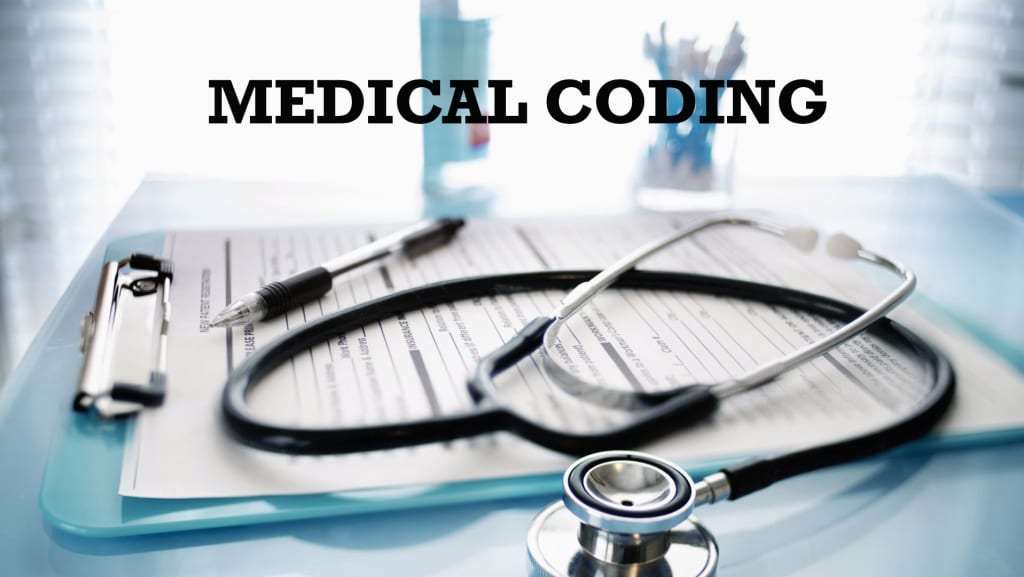
Medical coding is one of the most important branches of medical science which plays a vital role in doctors, hospitals as well as insurance companies… It contains a translation of medical information that includes diagnosis and treatment into simple symbols. Such codes are helpful in registering patient care and managing the bills.
What is Medical Coding?
It can be explained that medical coding is the same as writing short forms for medical information. For instance, if a doctor deals with the treatment of a common cold, rather than repetitively writing a common cold, he uses a code name for the same. These codes come from systems like:
• ICD (International Classification of Diseases): For illnesses and conditions.
• CPT (Current Procedural Terminology): For treatment and pleasant procedure, an understanding of the medical procedure is important.
Why is Medical Coding Important?
1. Easy Communication
Medical codes assist everyone in the healthcare sector to understand each other when conveying a message. This makes sure that doctors, hospitals, and insurance companies leave with the right understanding right from the start.
2. Faster Insurance Claims
Ever been to a doctor? The care you receive is documented in the medical-related codes informing the insurance company. This assists it in processing the claims and releasing the hospital or the doctor for payment.
3. Tracking Health Trends
Medical coding assists in documenting diseases and therapies across the globe. This is effective in managing cases and enhancing the health of the public.
4. Accuracy and Compliance
For example, there are simpler standards to implement the HIPAA rules and reduce the opportunities to make a mistake that costs the healthcare providers money or gives them legal issues.
How Does Medical Coding Work?
Here’s how medical coding fits into healthcare:
1. Doctor Visit: You go to a doctor, and the doctor records your signs, and with regards to treatment.
2. Documentation: All these are documented in your chart summary, in the medical record.
3. Coding: A medical coder reviews the record and come up with correct codes to assign to it.
4. Billing: The codes are for your insurance purpose and they are forwarded to your insurance company for payment.
5. Payment: The insurance company critiques the codes and recompense for the healthcare provider.
Who can become a medical coder?
If you want to work in medical coding, you’ll need:
•Attention to Detail: Taking precautions not to make a blunder.
•Basic Medical Knowledge: Considering the medical and terminologies and the system.
•Training: ICD coding systems together with CPT that I will be learning about.
•Certification: To start a career, you should get certified by such an association like AAPC or AHIMA.
Jobs in Medical Coding
Medical coding offers many job opportunities:
• Where to Work: As for the further occupations it is possible to continue with hospitals, clinics, insurance companies or job positions allowing individuals to work remotely;
• Growing Field: They both point to increased demand for more people in the field due to EHR and demands for pressure from the ever-growing health sector.
The Future of Medical Coding
Medical coding is not a very complicated process by all means and it is getting better with the help of technological tools like AI. But there will always be a need for professional coders when it comes to running the process so as to avoid mistakes.
Conclusion
Although medical coding is one of the background jobs, its importance is evident within the health system structure. It also ensures the correct communication between the physician and the insurance company, efficient billing, and good management of data making medical coding an essential service that enhances the quality of patient care and the efficiency of delivering this service. Medical coding might not be an everyday name that all of us hear and know about but it's part of the health system. It also ensures patients receive adequate care, providers are reimbursed, and health information is well managed.
About the Creator
Keep reading
More stories from Jeroshiya Jeroshiya and writers in Education and other communities.
What is AI, and how is it Changing the World?
Artificial Intelligence (AI) is one of the biggest emergent technologies of the 21st century. It’s assisting us in finding answers, increasing efficiency, and enhancing our lives. But what does AI mean here, and why it’s so crucial? Let’s make them easier to understand. AI is no longer an umbrella term used in many corporate slogans, it has become a phenomenon that is changing the fabric of industries in the world. In addition to basic monotonous functions, the function of AI increases, providing more and more opportunities in the future.
By Jeroshiya Jeroshiyaabout a year ago in Education
The Iberian Feast Spain USD 322.2 Billion Foodservice Revolution (2026-2034)
Spain’s love affair with food is legendary, but in 2026, the "Cena" (dinner) is being served with a side of high-tech innovation. From the tapas bars of Seville to the Michelin-starred kitchens of San Sebastián, the Spain foodservice market is witnessing a historic transformation. According to latest research, the market size reached USD 166.3 Billion in 2025 and is now on a trajectory to reach a staggering USD 322.2 Billion by 2034. Exhibiting a robust CAGR of 7.62%, the sector is being propelled by a resurgent tourism industry, a digital delivery explosion, and a nationwide shift toward sustainable, health-conscious dining.
By Neeraj kumar2 days ago in Education
Understanding the Gold Market Today: Key Shifts and What They Mean
Gold has always been a reliable store of value. In uncertain times, people turn to it for safety. This year, global markets have faced ongoing challenges. High inflation, shifting interest rates, and currency fluctuations are pushing investors back toward gold. Many are buying gold not just to protect their wealth but also to balance risk in their portfolios. Central banks around the world are also increasing their gold reserves, signaling strong institutional confidence in its long-term value.
By George Drazenovicabout 15 hours ago in Education



Comments
There are no comments for this story
Be the first to respond and start the conversation.