
The Iberian Feast Spain USD 322.2 Billion Foodservice Revolution (2026-2034)
How Innovation and Experience Are Reshaping Spain Foodservice Sector
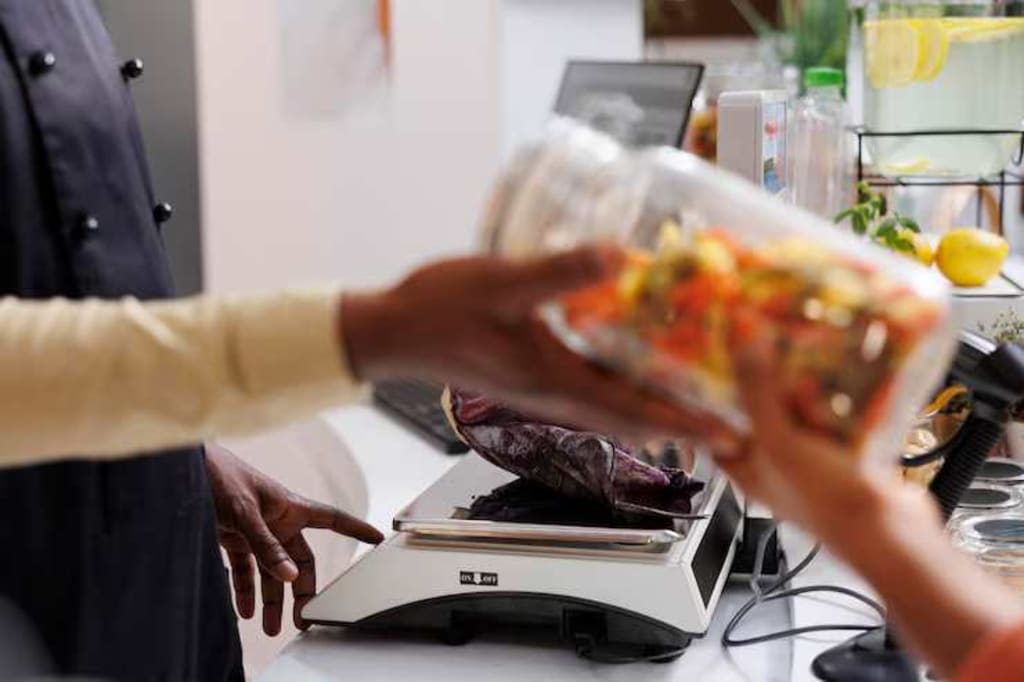
Spain’s love affair with food is legendary, but in 2026, the "Cena" (dinner) is being served with a side of high-tech innovation. From the tapas bars of Seville to the Michelin-starred kitchens of San Sebastián, the Spain foodservice market is witnessing a historic transformation. According to latest research, the market size reached USD 166.3 Billion in 2025 and is now on a trajectory to reach a staggering USD 322.2 Billion by 2034. Exhibiting a robust CAGR of 7.62%, the sector is being propelled by a resurgent tourism industry, a digital delivery explosion, and a nationwide shift toward sustainable, health-conscious dining.
The Economic Surge: A New Era of Gastronomic Value
The primary engine behind the 2026 foodservice boom is the sheer scale of Spain’s tourism recovery. The jump from $166 billion to a projected $322.2 Billion reflects a market that has successfully moved from "Volume" to "Value." In 2026, Spain is not just attracting more tourists; it is attracting higher-spending tourists who prioritize "experiential dining.
This economic expansion is supported by the rapid growth of the Quick Service Restaurant (QSR) and Cloud Kitchen segments. While traditional full-service restaurants remain the cultural heart of the country, chained outlets now account for nearly 60% of the market share in urban centers. For the Spanish economy, this means a more professionalized hospitality sector that is leveraging economies of scale to combat rising raw material costs, ensuring that "Eating Out" remains an accessible luxury for both locals and visitors.
The Digital Transformation: Food at the Speed of Fiber
In 2026, the "Digital Waiter" has become the norm. The rising shift toward digital ordering and delivery is no longer just a convenience; it is a fundamental market driver.
Exponential Delivery Growth: Partnering with platforms like Glovo and Uber Eats, even independent local eateries have expanded their reach beyond the physical terrace. In 2026, delivery-only "Ghost Kitchens" have scaled rapidly in Madrid and Barcelona, reducing overhead costs by up to 30%.
AI-Driven Personalization: Major chains are utilizing AI to analyze customer data, offering personalized menus based on dietary preferences and past orders. This "Hyper-Personalization" has increased customer loyalty by 25% in early 2026.
Smart Operations: Back-of-house technology, including automated inventory management and AI-powered staffing algorithms, is helping operators manage the dual challenges of labor shortages and food waste.
The Sustainability Mandate: Green is the New Gold
If 2026 has a dominant culinary theme, it is "Conscious Consumption." Spanish diners, particularly Gen Z and Millennials, are putting more emphasis on the environmental and health impacts of their food choices.
The Health-Conscious Shift: There is a surging demand for "Better-for-you" options. Menus across Spain are being diversified to include high-fiber, protein-forward, and gut-friendly dishes. In 2026, plant-based alternatives are no longer niche they are a standard requirement in over 70% of urban menus.
Zero-Waste and Local Sourcing: The "Farm-to-Fork" movement has reached a fever pitch. Restaurants are increasingly sourcing ingredients from local organic farms to reduce their carbon footprint. Sustainable packaging specifically fiber-based and compostable materials is now the gold standard in the delivery segment.
Transparency and Traceability: Driven by food safety concerns and a desire for authenticity, consumers are demanding full transparency. High-end establishments are utilizing blockchain and RFID technology to provide "Farm-to-Table" traceability for premium products like Ibérico ham and fresh seafood.
Diverse Dining Experiences: From Tapas to Tech
The 2026 market is characterized by a "Dual-Track" evolution: the preservation of tradition and the embrace of experimental travel trends.
Culinary Innovations: "Glocal" (Global + Local) cuisine is the breakout trend of 2026. Traditional Spanish recipes are being reinterpreted with global influences think Kimchi Croquetas or Truffle Tortilla. These innovations are specifically designed to cater to the diverse tastes of international tourists.
Experiential "Gastro-Hubs": Multi-brand food halls and "Eatertainment" venues which combine fine dining with live music or digital art are expanding at a 14.5% CAGR in travel hubs and retail centers. These hubs maximize revenue per square meter by offering diverse cuisines under a single roof.
The Specialty Coffee Surge: Branded café formats and specialty coffee chains are rolling out at an accelerated pace, converting traditional bar-and-terrace culture into premium, branded destinations for the "Work-from-Café" crowd.
Challenges and Opportunities for 2034
While the outlook is robust, the journey to the $322.2 Billion milestone is not without its hurdles.
Labor Shortages: Recruiting and retaining skilled kitchen staff remains a pivotal challenge. This is driving a massive investment wave in Kitchen Automation and Robotics, which are being used for precision tasks like slicing, frying, and even coffee brewing.
Inflationary Pressure: Fluctuating energy and raw material costs continue to strain margins. Operators who lean into "Operational Excellence" using tech to minimize waste and optimize energy usage are the ones winning the market.
Regulatory Compliance: Stricter EU environmental laws and food safety protocols are forcing a total rethink of supply chain logistics, particularly in the "Cold-Chain" sector.
Conclusion: A Vision of "Modern Heritage"
As we look at the state of Spain’s foodservice market in 2026, the picture is one of a sector that has successfully integrated its legendary warmth with future-proof innovation. By embracing a USD 322 Billion vision and utilizing AI to deliver personalized, sustainable, and diverse experiences, Spain has created a gastronomic ecosystem that is the envy of the world. The industry has proven that "Foodservice" is not just about feeding people it is about a sophisticated blend of culture, technology, and environmental stewardship. In 2026, Spain isn't just serving meals; it is serving the future of dining.
About the Creator
Keep reading
More stories from Neeraj kumar and writers in Education and other communities.
The Blue Gold Bangladesh Aquaculture Revolution and the 4 Million Ton Frontier (2025-2033)
Bangladesh is a land defined by its rivers, but in 2026, those waters are producing more than just a local staple they are driving a multi-billion dollar economic engine. As one of the world’s leading producers of inland fish, Bangladesh has transitioned from traditional pond culture to a sophisticated, tech-driven aquaculture powerhouse. According to the latest research, the Bangladesh aquaculture market size reached 2.8 Million Tons in 2024 and is now on a high-velocity path to reach 4.0 Million Tons by 2033. Exhibiting a steady CAGR of 3.7% during 2025-2033, the nation is moving toward "Smart Fishing," where sustainability meets global export standards.
By Neeraj kumarabout 16 hours ago in Education
Smart College Planning Tips Every Family Should Know Before Applying to College
College planning can feel overwhelming for students and parents. There are many decisions to make, and each one can affect the future. With the right approach, the process becomes clearer and more manageable. Smart college planning tips help families stay prepared, avoid common mistakes, and move forward with confidence. This article shares simple and practical guidance to support students and parents through every stage of college planning.
By Michael Petruska7 days ago in Education




Comments
There are no comments for this story
Be the first to respond and start the conversation.