
What is AI, and how is it Changing the World?
ai
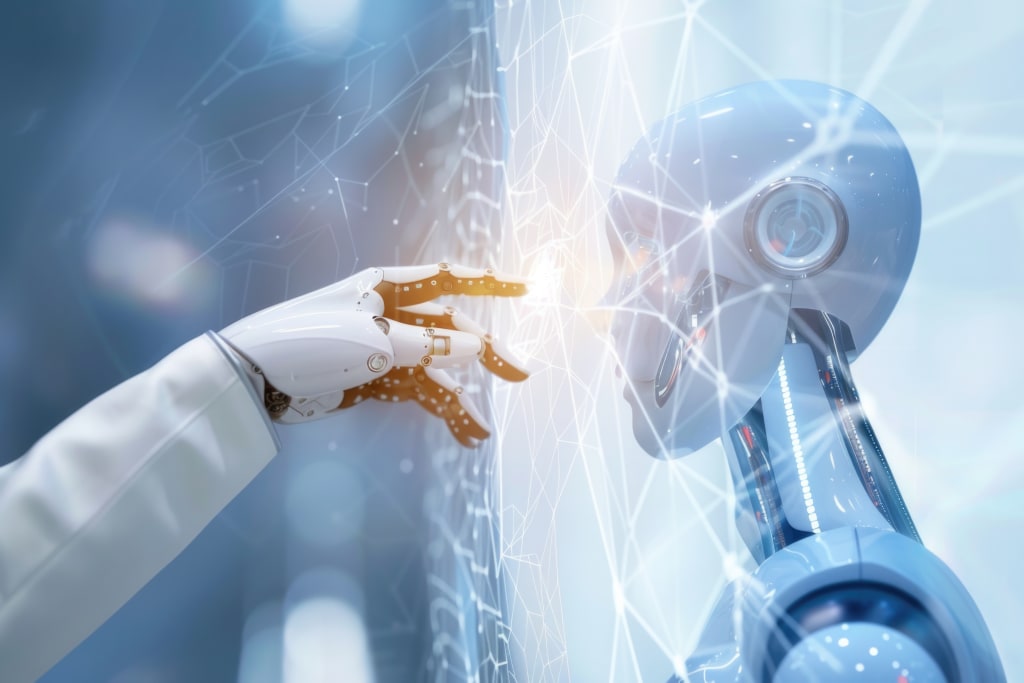
Artificial Intelligence (AI) is one of the biggest emergent technologies of the 21st century. It’s assisting us in finding answers, increasing efficiency, and enhancing our lives. But what does AI mean here, and why it’s so crucial? Let’s make them easier to understand. AI is no longer an umbrella term used in many corporate slogans, it has become a phenomenon that is changing the fabric of industries in the world. In addition to basic monotonous functions, the function of AI increases, providing more and more opportunities in the future.
What is AI?
AI is a process of how to get a computer to think and learn like the human brain. It assists machines in solving problems that normally require the use of natural intelligence to solve including speech recognition, decision-making, and facial identification of persons in photographs.
AI is the “brain” that lies behind intelligent personal assistants such as Siri or Google Assistant, recommendations found in the likes of Netflix or even self-driving cars.
How is AI Used Today?
1. Healthcare
The benefits of introducing AI are that the diseases are diagnosed earlier and faster by the doctors. This may even propose the right therapies for patients. For instance, a tool can read the X-ray or suggest that this person may get sick at some point in time.
2. Shopping and Online Ads
Okay, have you ever wondered how the products you like show up on your social media feeds or in your browser? That’s AI working in the background, figuring out what you like, and if you are in the market for similar items. It also assists web platforms selling products to recommend items that you might be interested in.
3. Education
AI allows education to be engaging and for every learner’s specific needs and preferences. Technology assists applications like Duolingo through artificial intelligence, so that the lessons match how the students learn, and everyone receives the assistance they require.
4. Entertainment
Services, for instance, Spotify or Netflix may recommend the songs or series based on someone’s preferences using artificial intelligence. What a way to have personal entertainment in the comfort of one's home.
5. Everyday Tools
AI is used in facilities such as Google Translate that assist the public to communicate in various languages or smart devices like Amazon’s Alexa or Google Home to make our daily lives.
Why is AI So Useful?

• Saves Time: AI can perform tiresome activities within a short time hence enabling people to engage in other activities.
• Improves Accuracy: It decreases errors, say, while working on data or diagnosing an illness.
• Personalized Experiences: AI identifies what it thinks you prefer/require and gets services to you.
Challenges with AI
While AI is amazing, it has its challenges:
• Job Changes: There are jobs which will be done away with by technology so the people shall need to find something else to do.
• Privacy Concerns: That is why AI needs data to work, so the protection of personal information is valued very much.
• Bias in AI: This means that if the data to be fed to an AI is biased in some way, the output generated also turns out to be biased.
The Future of AI
AI is still under development and has not been finalized yet. The future use may be applying it to solve large issues such as global warming, design smart communities, as well as progressing the search for disease treatment. But as AI advances we should ensure that it’s applied appropriately and enhance the lives of the users.
Conclusion
AI has become part of daily existence. AI is now benefitting doctors who save lives and shopping is being made more exciting thanks to Artificial Intelligence not only is AI a helpful tool to enhance our lives, but also a revolution changing the existing possibilities. Despite all these problems the idea that AI is capable of making the world a better place can be considered a fact. The message that the responsibility ministry provides for embracing AI is that the future can be bright – innovative, efficient, and fair.
About the Creator
Keep reading
More stories from Jeroshiya Jeroshiya and writers in Education and other communities.
What is search engine optimization (SEO) and Why is it relevant?
Search Engine Optimization is considered an important element of digital marketing in today’s rapidly growing dynamic digital world, as it helps businesses brand them, attract organic traffic to their site, and establish concrete results. The need to embrace SEO cannot be overemphasized, whether you are the owner of a small and somewhat limited local business or the manager of a big international corporation.
By Jeroshiya Jeroshiyaabout a year ago in Education
The Digital Blueprint Inside France USD 781.69 Million Industrial PLC Revolution (2025-2033)
In 2026, the factory floors and logistics hubs of France are no longer defined by the heavy clank of manual machinery. Instead, they are defined by a quiet, precise digital pulse. At the heart of this transformation lies a technology that has evolved from a simple relay replacement into the "central nervous system" of modern industry: the Programmable Logic Controller (PLC).
By Neeraj kumarabout 3 hours ago in Education


Comments
There are no comments for this story
Be the first to respond and start the conversation.