
What is anxiety and how can it be effectively managed?
What is anxiety
Anxiety is a normal response to stress. It often comes with feelings of tension, worry, or nervousness. While experiencing anxiety sometimes is a part of life, such as before an exam or job interview, long-lasting or intense anxiety may point to an anxiety disorder. These disorders can disrupt daily activities, relationships, and overall well-being. Therefore, it is important to understand anxiety and the ways to manage it.
Understanding Anxiety
Anxiety starts in the brain's limbic system, particularly in the amygdala, which identifies threats and triggers the body’s “fight or flight” response. When this response activates properly, it serves a protective purpose. However, for people with anxiety disorders, the brain might misread everyday situations as threats, resulting in increased and lasting fear or worry.
There are several types of anxiety disorders, including:
- Generalized Anxiety Disorder (GAD): This involves chronic and exaggerated worry about daily life.
- Panic Disorder: This includes recurring panic attacks, which are sudden, intense episodes of fear accompanied by physical symptoms like chest pain and shortness of breath.
- Social Anxiety Disorder: This is the fear of being judged or embarrassed in social settings.
- Phobias: These are intense fears of specific objects or situations.
Obsessive-Compulsive Disorder (OCD) and Post-Traumatic Stress Disorder (PTSD) also include anxiety, though they are categorized separately.
Symptoms of Anxiety
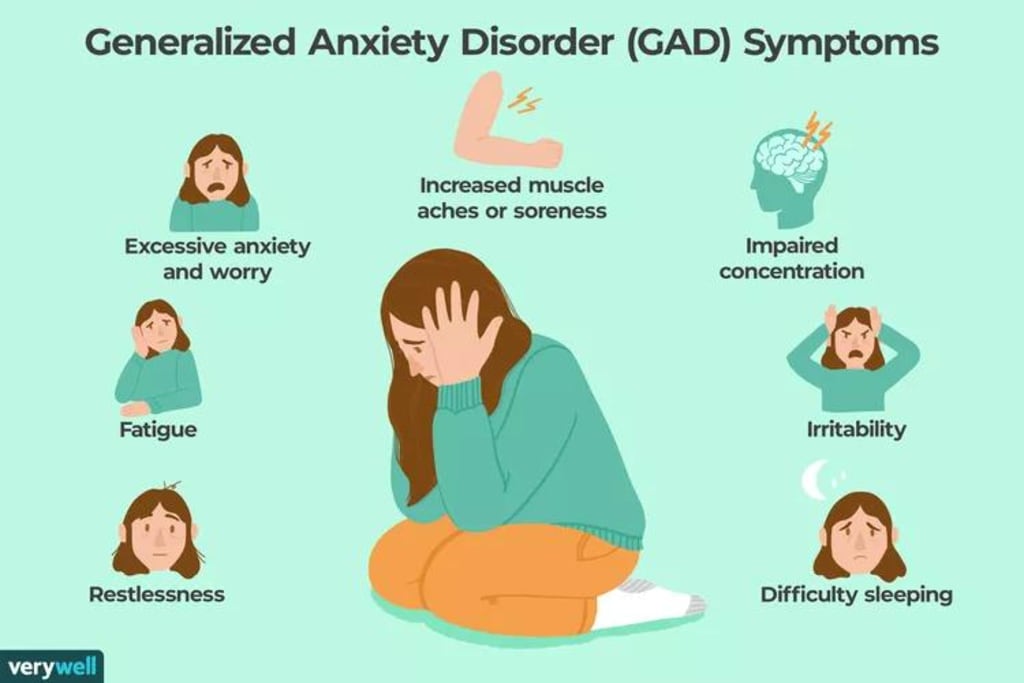
Anxiety symptoms can be both physical and mental. Common signs include:
- Excessive worry or fear
- Restlessness or irritability
- Trouble concentrating
- Fatigue
- Sleep problems
- Muscle tension
- Increased heart rate or palpitations
- Shortness of breath
- Sweating or trembling
- Gastrointestinal issues
The intensity and frequency of symptoms can differ widely among individuals. If anxiety lasts more than six months and affects daily life, it is wise to seek professional help.
Causes and Risk Factors
Anxiety typically arises from a mix of factors:
- Genetics: A family history of anxiety or mental health issues can play a role.
- Brain Chemistry: Imbalances in neurotransmitters such as serotonin, dopamine, and norepinephrine may contribute.
- Personality Traits: People who tend to be perfectionists or have low self-esteem might be more vulnerable.
- Life Experiences: Trauma, abuse, or significant life changes can trigger anxiety.
- Medical Conditions: Issues such as thyroid disorders, heart rhythm problems, or long-term illnesses can add to anxiety.
- Substance Use: Caffeine, alcohol, or drug use, along with withdrawal from these substances, can worsen anxiety.
Diagnosis
A mental health professional diagnoses anxiety through clinical interviews, psychological assessments, and symptom checklists. It is important to rule out medical causes prior to confirming a psychiatric diagnosis. Clear communication during the assessment helps create an accurate understanding of the person’s emotional state.
Management and Treatment of Anxiety
The encouraging news is that anxiety is treatable. A combination of therapy, medication, and lifestyle changes often yields the best results.
1. Psychotherapy
- Cognitive Behavioral Therapy (CBT): This is the most supported treatment for anxiety. CBT helps people identify and challenge negative thought patterns and develop better coping strategies.
- Exposure Therapy: This is especially useful for phobias and OCD, gradually introducing individuals to their fears in a controlled way.
- Acceptance and Commitment Therapy (ACT): This therapy emphasizes mindfulness and encourages acceptance of anxious thoughts.
2. Medication
- Selective Serotonin Reuptake Inhibitors (SSRIs): Examples include sertraline and fluoxetine, which are commonly prescribed for anxiety.
- Serotonin-Norepinephrine Reuptake Inhibitors (SNRIs): Drugs like venlafaxine and duloxetine fall into this category.
- Benzodiazepines: These are used for short-term relief but have a high risk of dependence.
- Beta-blockers and Buspirone: Sometimes prescribed for physical symptoms or long-term management.
Always consult a psychiatrist before starting or changing medication. Everyone reacts differently, and monitoring side effects is important.
3. Lifestyle Changes
- Regular Exercise: This helps boost endorphins and lowers stress hormones.
- Mindfulness and Meditation: Techniques like deep breathing, progressive muscle relaxation, and guided imagery can soothe the nervous system.
- Adequate Sleep: Keeping a regular sleep schedule is vital.
- Healthy Diet: Reducing caffeine, sugar, and processed foods can help stabilize mood.
- Limit Alcohol and Drug Use: While substances may seem to provide temporary relief, they often worsen anxiety in the long run.
4. Social Support
Spending time with friends, family, or support groups can provide comfort and lessen feelings of isolation. Discussing anxiety can reduce stigma and promote early intervention.
Coping Strategies for Day-to-Day Life
Here are some practical ways to manage anxiety:
- Grounding Techniques: Focus on physical sensations (like touch, smell, sound) to stay present during anxious moments.
- Journaling: This can help track triggers and recognize emotional patterns.
- Set Boundaries: Learning to say no can reduce feelings of being overwhelmed.
- Break Tasks Down: Tackle larger tasks by dividing them into smaller steps to avoid procrastination.
- Digital Detox: Cut back on screen time and limit exposure to distressing news.
When to Seek Help
While occasional anxiety is normal, you should seek help if:
- Anxiety is frequent and intense.
- It disrupts daily life, relationships, or work.
- You avoid situations because of fear or worry.
- You experience physical symptoms like chest pain, dizziness, or panic attacks.
- You feel hopeless or have thoughts of self-harm.
Addressing anxiety early can significantly improve treatment outcomes and reduce the risk of developing co-occurring issues like depression.
Supporting a Loved One with Anxiety
If someone you care about is dealing with anxiety:
- Listen to them without judgment.
- Encourage them to seek professional help.
- Avoid downplaying their feelings.
- Educate yourself about anxiety to better understand their experience.
- Be patient, as recovery takes time.
Myths About Anxiety
Let's clarify some common misconceptions:
- Myth: “Anxiety is just stress.”
Truth: Anxiety is ongoing and often disproportionate to actual events.
- Myth: “Only weak people have anxiety.”
Truth: Anxiety can impact anyone, regardless of their strength or character.
- Myth: “You can just snap out of it.”
Truth: Anxiety requires understanding and proper treatment.
Long-Term Outlook
With the right support, treatment, and lifestyle changes, many people with anxiety can lead fulfilling and successful lives. Some may occasionally experience setbacks, but these can be managed with coping strategies and ongoing care. Anxiety does not define you; it is a condition, not a flaw in character.
If you are experiencing anxiety or are helping someone who is, remember that help is available. You are not alone.
Visit: https://www.delhimindclinic.com/
https://www.craftcmsdeveloper.in/ Feel free to reach out if you'd like to make changes to your Craft website or simply chat about your Craft project. I'm available for a free consultation!
About the Creator
Keep reading
More stories from Naveen Garg and writers in Education and other communities.
What is depression and how can it be treated effectively?
Depression is a serious mental health condition that affects how a person feels, thinks, and behaves. It goes far beyond occasional sadness or a temporary low mood. Depression can interfere with daily life, impact relationships, affect physical health, and reduce an individual’s overall sense of purpose and well-being. Understanding depression and how it can be treated is essential for anyone experiencing symptoms or supporting a loved one who may be struggling.
By Naveen Garg6 months ago in Education
What to Eat (And Avoid) During Colon Cancer Treatment: A Nutritionist-Approved Guide
When undergoing colon cancer treatment, your diet is more important than ever. The right nutrition can support your immune system, reduce side effects, and even enhance the effectiveness of treatments like chemotherapy and radiation. But knowing what to eat and what to avoid can be overwhelming.
By Erika Phillips 6 days ago in Education
Surviving Cancer: Entering the Golden Alchemical Door to Teaching
It starts with love . . . Entering the Golden Door: Who Am I? Going through cancer treatments with chemo, a strange thing happened, for I started to forget things, even who I am because my wife ghosted me and my friends would have nothing to do with me. Without human contact, you forget what it means to be human. I am a professor at a university, but I forgot what I taught. . . .
By WILD WAYNE : The Dragon Kinga day ago in Education


Comments
There are no comments for this story
Be the first to respond and start the conversation.