
What to Eat (And Avoid) During Colon Cancer Treatment: A Nutritionist-Approved Guide
Foods That Support Healing and Energy During Treatment

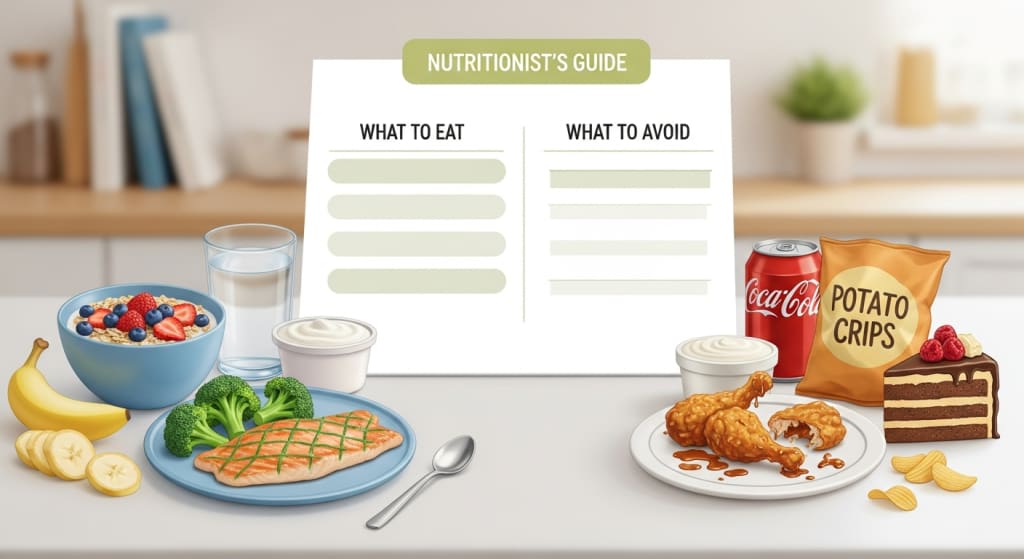
When undergoing colon cancer treatment, your diet is more important than ever. The right nutrition can support your immune system, reduce side effects, and even enhance the effectiveness of treatments like chemotherapy and radiation. But knowing what to eat and what to avoid can be overwhelming.
This guide offers nutritionist-approved tips to help you make informed decisions about your meals during treatment. From lean proteins to hydrating fluids, we'll cover the foods that can nourish your body, manage symptoms, and support healing.
Understanding how nutrition influences treatment outcomes and what the right nutrition is during colon cancer treatment is essential for every patient.
Why Nutrition Matters During Colon Cancer Treatment
Good nutrition is a cornerstone of effective cancer treatment. It not only supports the immune system but also aids in faster recovery, stronger treatment responses, and fewer complications. Colon cancer treatment, including chemotherapy, radiation, and surgery, can weaken the body, leading to issues like fatigue, muscle loss, poor appetite, and digestive disturbances. A balanced diet, however, can counteract these effects by providing the body with the necessary nutrients to recover.
According to the American Cancer Society, patients who maintain a healthy diet during treatment have better outcomes, including fewer hospitalizations and reduced treatment side effects. For example, lean proteins help repair tissues damaged by surgery or chemotherapy, while fiber-rich foods support digestive health, a major concern for many colon cancer patients.
Foods rich in antioxidants, such as fruits and vegetables, also play a crucial role in reducing inflammation and enhancing immunity. Studies have shown that cancer patients with a nutrient-dense diet experience better overall health and increased strength, both of which help combat the side effects of cancer treatments.
Moreover, managing side effects like nausea, diarrhea, and constipation through diet is a vital part of your treatment plan. A registered dietitian can help tailor a nutrition plan that addresses these challenges while ensuring you're getting all the essential nutrients for healing.
What to Eat During Colon Cancer Treatment
During colon cancer treatment, food choices matter. Here’s a colon cancer diet that includes foods to consume for optimal health:
Lean Proteins
Protein is crucial for maintaining muscle mass and supporting immune function, both of which are vital during cancer treatment. Include lean sources of protein such as chicken, turkey, fish, eggs, tofu, beans, and nuts. These foods support tissue repair and help maintain energy levels, crucial for dealing with fatigue. A diet rich in protein can help minimize muscle loss, which is a common side effect of chemotherapy.
Fruits and Vegetables
Fruits and vegetables provide essential vitamins, minerals, and fiber that support the immune system and improve digestion. Opt for potassium-rich options like bananas and potatoes, which help maintain electrolyte balance and prevent dehydration. Leafy greens like spinach and kale are packed with vitamins and antioxidants that help reduce inflammation and improve overall health. Berries, rich in antioxidants, also support immune health. Aim for a variety of colors on your plate to maximize nutrient intake.
Whole Grains
Whole grains such as brown rice, quinoa, and oatmeal are excellent sources of fiber, which is important for maintaining regular bowel movements. During chemotherapy or surgery, the digestive system may become more sensitive, so choosing easily digestible whole grains can support better digestion. They also offer essential minerals like magnesium that contribute to overall health and energy.
Dairy
Dairy products like low-fat milk and yogurt provide calcium and vitamin D, which are important for bone health. Some treatments can weaken bones, so ensuring sufficient calcium intake can help keep your bones strong. If you’re lactose intolerant during treatment, try lactose-free options or plant-based alternatives like almond milk or soy yogurt.
Hydrating Fluids
Staying hydrated is essential, especially when dealing with side effects like diarrhea or nausea. Drink plenty of water, herbal teas, and clear broths to keep your body hydrated and support your kidneys and liver in processing medications. Diluted juices can be a good option, but it’s best to avoid sugary drinks.
Flavor Enhancers
Nausea is a common issue during treatment, and it can make eating difficult. Instead of spicy or greasy foods, try adding ginger to your meals, known for its anti-nausea properties. Plain seasonings like basil, oregano, and thyme can enhance the flavor of your food without irritating your stomach.
Foods to Avoid During Colon Cancer Treatment
While some foods can aid in recovery, others may hinder the treatment process or exacerbate side effects. Here's a list of foods to limit or avoid:
Red and Processed Meats
Red meats (beef, lamb) and processed meats (hot dogs, bacon, salami) are associated with an increased risk of colon cancer and should be avoided during treatment. These meats can contribute to inflammation in the digestive system and may increase the likelihood of complications during treatment. Instead, opt for lean poultry, fish, or plant-based protein sources.
Alcohol
Alcohol can interfere with the body’s ability to absorb nutrients and may exacerbate nausea or dehydration. It can also weaken the immune system and interfere with the effects of medications. It’s best to avoid alcohol entirely during treatment.
Sugary Drinks and Refined Sugars
Sugary drinks, including soda and sweetened beverages, can cause spikes in blood sugar, leading to increased inflammation. Refined sugars can also affect your gut health and contribute to a weakened immune response. Stick to water, herbal teas, or diluted fruit juices for hydration.
Fried and Greasy Foods
Fried foods and greasy meals can worsen nausea and indigestion. These foods are also harder to digest, which can lead to discomfort during treatment. Instead, opt for steamed, grilled, or baked dishes that are gentler on the stomach.
High-Fiber Foods (During Diarrhea)
While fiber is essential for overall digestive health, it can worsen diarrhea, a common side effect of treatment. During diarrhea, reduce your intake of high-fiber foods such as raw vegetables, whole grains, and seeds. Follow the BRAT diet (bananas, rice, applesauce, and toast) as it is gentler on the digestive system.
Caffeine
Caffeine is a diuretic, meaning it can increase urination and cause dehydration, which is especially problematic during treatment. It’s advisable to limit caffeine consumption and opt for hydration-friendly drinks like water or herbal teas.
Sample Meal Plan for Colon Cancer Treatment
Here’s a day’s worth of meals for colon cancer patients, designed to be gentle on the digestive system while providing essential nutrients:
Breakfast
- Scrambled eggs with spinach, served with whole-wheat toast.
- A side of blueberries (rich in antioxidants).
- A cup of herbal tea or water.
Lunch
- Grilled chicken breast with brown rice and steamed broccoli.
- A small bowl of low-fat yogurt.
- Water or diluted fruit juice.
Dinner
- Baked fish (such as salmon) with mashed potatoes and sautéed spinach.
- A cup of clear broth or herbal tea.
Snacks
- Almonds or walnuts for protein and healthy fats.
- A banana for potassium.
This meal plan incorporates lean proteins, whole grains, and plenty of fruits and vegetables, ensuring a well-rounded, nutrient-dense diet to support healing and manage treatment side effects. But to build a more customized program, consider this colon cancer nutrition treatment plan from experts.
Pro Tip: Enhancing Nutrition with Supplements
While a well-rounded diet should be your primary source of nutrition, certain supplements can be helpful during colon cancer treatment. Protein powders, for example, can help if you're struggling to meet your daily protein needs due to loss of appetite or difficulty chewing.
Fiber supplements can also be beneficial for managing constipation if you’ve reduced your fiber intake during treatment. However, always consult with your healthcare team before adding supplements to your diet, as some may interact with cancer treatments or medications. For example, some supplements may affect the absorption of chemotherapy drugs or increase the risk of bleeding.
FAQs
What foods are best for colon cancer patients during treatment?
Lean proteins (chicken, fish, tofu), fruits, vegetables, whole grains, and hydrating fluids (water, herbal teas) are ideal. These foods provide essential nutrients, support healing, and help manage side effects like fatigue and digestive issues during treatment.
Can I eat high-fiber foods during colon cancer treatment?
High-fiber foods can be beneficial, but adjust based on symptoms. If experiencing diarrhea, reduce fiber intake. If constipated, increase fiber from whole grains, beans, and fruits. Consult your healthcare team to personalize fiber intake for optimal digestive health.
What should I avoid eating during colon cancer treatment?
Avoid red and processed meats, alcohol, sugary drinks, fried foods, and foods high in refined sugars. These can worsen inflammation, interfere with treatment, and exacerbate side effects like nausea or digestive issues, slowing down the recovery process.
Final Words
Maintaining a healthy diet during colon cancer treatment is crucial for supporting recovery and minimizing side effects. Focus on lean proteins, fruits and vegetables, whole grains, and hydrating fluids, while avoiding red meats, alcohol, and processed foods. Adjust your fiber intake based on treatment-related symptoms like diarrhea or constipation, and consult a registered dietitian for gastroenterology tests and procedures if experiencing complex issues. By making informed food choices, you can improve your chances of a successful recovery and navigate treatment with strength and vitality.
About the Creator
Erika Phillips
Erika Phillips, a dedicated Health content writer, crafts heartfelt, insightful articles. Passionate about the power of knowledge, she simplifies complex health topics, empowering readers to take charge of their well-being.
Keep reading
More stories from Erika Phillips and writers in Education and other communities.
Colon Cancer Diet: Navigating Nutritional Challenges During Treatment
When you hear the words colon cancer, everything changes: your focus, your energy, your relationship with food. From scheduling a colonoscopy to what you eat, the focus turns to healing! And while you heal, your nutrition is something that can’t be ignored. It’s because nutrition is one of the powerful ways to support your body through treatment and recovery.
By Erika Phillips 2 months ago in Education
Why Great Customer Service Is Non-Negotiable for Modern Businesses
Excellent customer service is no longer something businesses can choose to offer later. It is a basic requirement in today’s fast-moving market. Customers expect respect, clear communication, and fast solutions. When they do not get these things, they leave. This is why excellent customer service is non-negotiable for businesses that want to survive and grow.
By Apex Service Partners6 days ago in Education
The Devil's Cut
“Comrade, finally you’re awake.” The voice was smooth, sensual. A flickering incandescent bar was all that lit the white, sterile room. All Vladimir remembered was everything going black. He tried to move his arms and found them strapped to the gurney.
By Matthew J. Fromm4 days ago in Fiction


Comments
There are no comments for this story
Be the first to respond and start the conversation.