
What “Delayed-Onset” Pain Means for Tempe Crash Victims
Many Tempe crash victims don’t feel injured right away—until it’s too late to prove otherwise. Here’s what delayed pain means legally and medically.
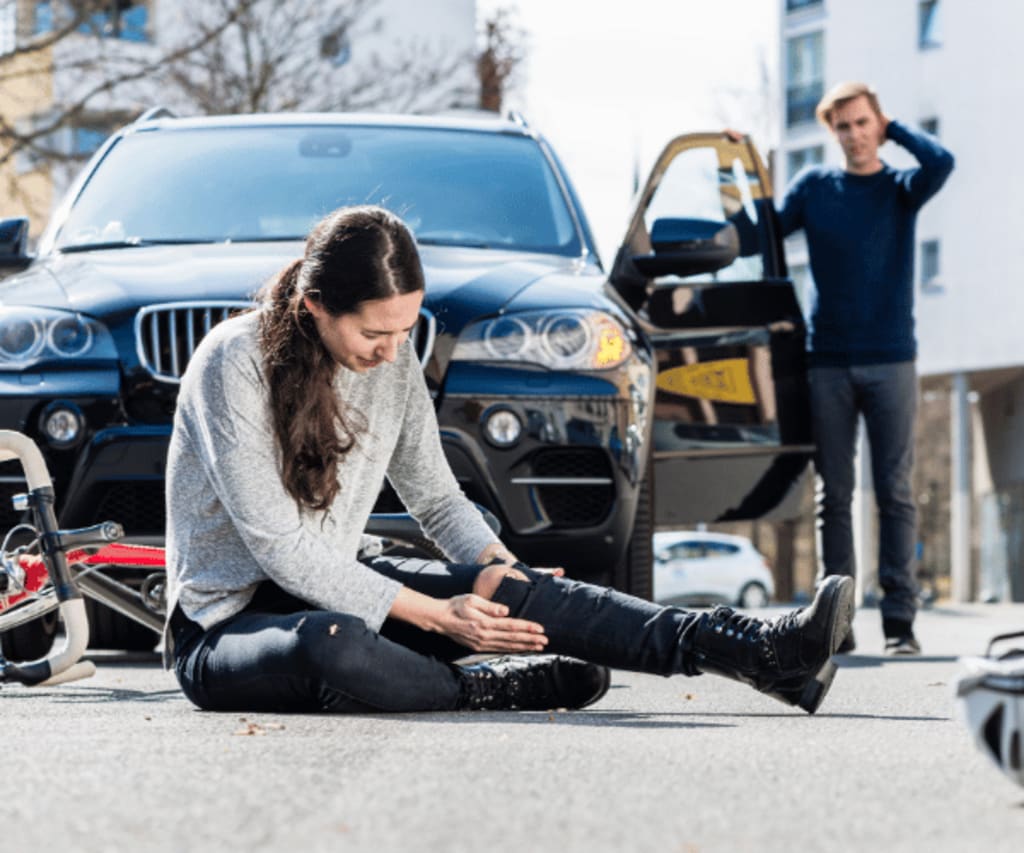
You walk away from a car crash in Tempe thinking you’re fine. No bleeding, no broken bones, no obvious injuries. You might even decline medical attention. But hours—or even days—later, you can barely turn your head, your back locks up, or migraines hit without warning.
This is what doctors call delayed-onset pain, and it’s extremely common after a car accident. Yet insurance companies often use it against victims, claiming that if the pain didn’t show up right away, it must not be related to the crash.
That’s not true. And if you’re dealing with pain that wasn’t immediate, a car accident lawyer can help protect your rights before the delay damages your claim.
What Is Delayed-Onset Pain?
Delayed-onset pain refers to injuries or symptoms that appear hours or days after an accident rather than immediately. This can happen because:
- Adrenaline masks pain in the moment
- Soft tissue damage develops inflammation gradually
- Head and spine injuries may worsen with movement or time
- Swelling and bruising increase after the initial trauma
In short: not all damage shows itself right away. What starts as mild stiffness can evolve into debilitating pain.
Common Injuries That Show Up Late
Whiplash
One of the most common injuries after rear-end collisions. Symptoms often take 12–48 hours to appear and include:
- Neck pain or stiffness
- Headaches at the base of the skull
- Dizziness or blurred vision
- Limited range of motion
Concussions and Mild Traumatic Brain Injuries
Not all brain injuries cause immediate unconsciousness. You may feel “off” for days:
- Memory or concentration issues
- Light sensitivity
- Mood swings or sleep disruption
You can learn more about TBI symptoms via az.gov.
Back and Disc Injuries
Even a low-speed impact can shift spinal discs, resulting in:
- Sciatic nerve pain
- Numbness or tingling
- Muscle spasms
- Pain that radiates to limbs
Internal Injuries
These may not be obvious at the scene but can be life-threatening. Watch for:
- Abdominal swelling or bruising
- Nausea
- Fainting or low blood pressure
Why Delayed Pain Is Often Disputed by Insurers
Insurance adjusters are trained to minimize payouts. If your injury wasn’t documented on the day of the crash, they may argue:
- The injury was preexisting
- The pain is unrelated
- You’re exaggerating symptoms
- You didn’t seek treatment promptly
This is especially common with whiplash, TBIs, and back injuries—conditions that can be real but difficult to "prove" on imaging scans.
Arizona law does not require pain to appear immediately in order for you to pursue damages.
What Arizona Law Says About Injury Claims and Timing
Arizona gives you two years to file a personal injury claim (source: azcourts.gov). Even if symptoms appeared later, that timeline still applies from the crash date.
Arizona also follows pure comparative negligence, which means you can still recover compensation even if you're partly at fault—or if you waited a little while to report your injury.
What To Do If Your Pain Didn’t Show Up Right Away
If you're experiencing delayed-onset pain, here are a few immediate steps to take:
- Seek medical care immediately. Even if days have passed, the sooner you go, the better.
- Tell your provider it started after the crash. Establishing the connection in your medical record is critical.
- Log your symptoms. Include when they started, how they’ve changed, and how they impact daily activities.
- Don’t give a recorded statement to insurance. They’ll use early remarks like “I feel okay” to reduce your claim.
- Get the police report. You can request Tempe crash reports from tempe.gov.
Your Pain Is Valid—Even If It Wasn’t Immediate
It’s common to downplay pain at first:
“I’m probably fine.”
“It’ll go away.”
“I don’t want to seem dramatic.”
But when soreness becomes chronic pain—or you start missing work—those early words can be costly if insurers use them against you.
Final Thoughts
Delayed-onset pain after a Tempe crash doesn’t make your case weaker—it makes it more complicated. But with the right documentation and guidance, you can still pursue the compensation you deserve.
If your pain didn't show up until hours or days later, don’t wait. Protect yourself now. A Tempe car accident lawyer can help make sure that what you didn’t feel right away doesn’t leave you without options later.
About the Creator
Keep reading
More stories from Ryan Lathrop and writers in Education and other communities.
How Arizona Law Handles Nerve Damage from Tempe Rear-End Crashes
Nerve damage doesn’t always come with sirens and screaming pain. In fact, for many Tempe drivers injured in a rear-end crash, it starts as a dull ache, tingling, or weakness that creeps in days later—and sometimes never goes away.
By Ryan Lathrop7 months ago in Education
Python vs Rust Performance: Speed, Memory Usage, and Scalability Explained
When developers compare programming languages, performance is often one of the most debated factors. Two languages that frequently come up in these discussions are Python and Rust. While both are powerful in their own ways, they approach performance, memory management, and scalability very differently. This makes the Python vs Rust comparison especially relevant for teams choosing the right technology for their next project.
By Lennox Gray3 days ago in Education
💦The Water Cycle💦
Water is one of the most essential substances on Earth. It covers over 70% of our planet’s surface and is crucial for all forms of life. But have you ever wondered how water moves continuously around the Earth? How rivers, oceans, clouds, and rain are all connected in a constant cycle? This amazing natural process is called the water cycle, and it ensures that life never runs dry.
By Talha khana day ago in Education
Miss Persephone's Manual to a Seemingly Ordinary Life
Miss Persephone was found at the dining table, her blue eyes swollen, her tears arriving and retreating like the tides of the ocean. Earlier that day, her family had visited her in the retirement home where she had lived for eight years. It was her eightieth birthday.
By Imola Tóth4 days ago in Fiction




Comments
There are no comments for this story
Be the first to respond and start the conversation.