
Weight loss is as easy as 3,2,1
3 macros, 2 much fat, and 1 ketogenic miracle
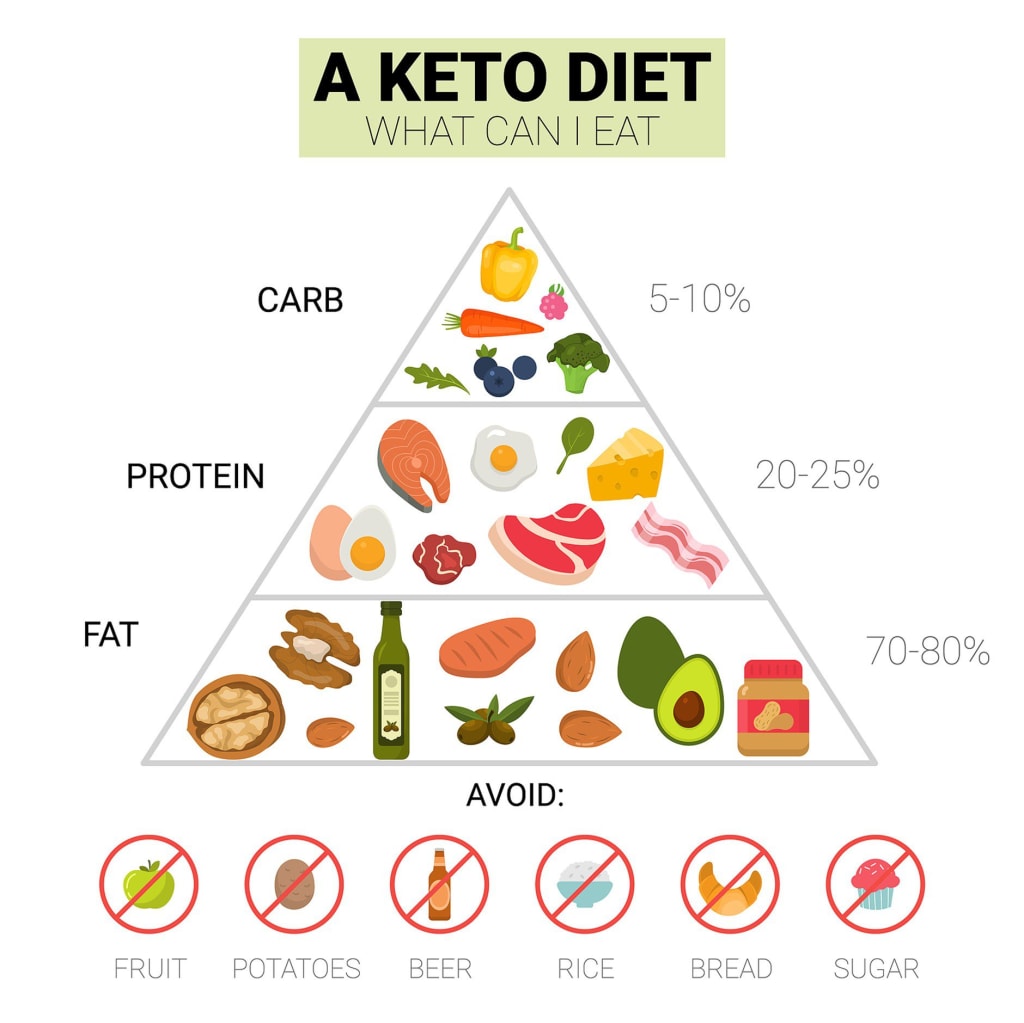
The ketogenic diet, also known as the keto diet, is a low-carb, high-fat diet that has been growing in popularity as a weight loss and health improvement tool. In a ketogenic diet, the body enters a metabolic state called ketosis, where it burns fat for energy instead of carbohydrates. This results in the body producing ketones, which are a byproduct of the breakdown of fats. This paper will explore the science behind the ketogenic diet and the importance of properly maintaining the body in ketosis to reap its health benefits.
How the Keto Diet Works
The traditional Western diet is high in carbohydrates, which are broken down into glucose, which is used by the body as its primary source of energy. When there is an excess of glucose, the body stores it as fat. The ketogenic diet, on the other hand, is low in carbohydrates and high in fat, which forces the body to switch to burning fat for energy instead of glucose.
The transition to ketosis is gradual, and it can take several days to several weeks, depending on the individual. During this time, the body may experience symptoms such as fatigue, headaches, and constipation, which are commonly referred to as the "keto flu." These symptoms usually subside once the body has fully transitioned to burning fat for energy.
The Importance of Properly Maintaining the Body in Ketosis:
To reap the full benefits of the ketogenic diet, it is important to properly maintain the body in a state of ketosis. This can be done by following a few key principles:
Limit Carbohydrates: To maintain the body in ketosis, it is crucial to limit the intake of carbohydrates to 20-50 grams per day. This includes not only bread and pasta but also fruits and other high-carb foods.
Increase Fat Intake: The high-fat intake is what allows the body to enter and maintain a state of ketosis. It is recommended to consume healthy sources of fat, such as olive oil, avocado, and nuts.
Monitor Protein Intake: Consuming too much protein can kick the body out of ketosis as the body can convert excess protein into glucose. It is recommended to consume moderate amounts of protein to ensure that the body stays in ketosis.
Track Ketone Levels: Measuring ketone levels in the blood or urine can help determine if the body is in a state of ketosis and help adjust the diet if necessary.
Health Benefits of the Keto Diet
There are several health benefits associated with the ketogenic diet, including:
Weight Loss: The ketogenic diet is an effective way to lose weight, as it allows the body to burn stored fat for energy instead of glucose.
Improved Insulin Sensitivity: The ketogenic diet has been shown to improve insulin sensitivity, which can help manage or prevent conditions such as type 2 diabetes.
Increased Energy: The ketogenic diet can increase energy levels as the body switches from burning glucose for energy to burning fat, which is a more efficient energy source.
Improved Brain Function: The ketogenic diet has been shown to improve cognitive function, reduce inflammation, and improve neurological conditions such as epilepsy and Alzheimer's disease.
Reduced Inflammation: The ketogenic diet has been shown to reduce inflammation in the body, which is linked to several chronic diseases such as heart disease and cancer.
In conclusion, the ketogenic diet is a low-carb, high-fat diet that has been gaining popularity as a tool for weight loss and health improvement. By properly maintaining the body in a state of ketosis, individuals can reap the
About the Creator
Keep reading
More stories from writers in Education and other communities.
How to Identify Rare 2021 American Silver Eagles: A Collector's Guide
What Changed Type 1: The classic design by John Mercanti features a heraldic eagle with arrows and an olive branch beneath 13 stars. Type 2: Introduced mid-year, Emily Damstra’s new reverse shows a bald eagle landing on an oak branch—symbolizing renewal and strength. Obverse update: Adolph A. Weinman’s original “Walking Liberty” design was refined, with sharper details and the artist’s initials (“AW”) added beneath In God We Trust.
By Laura Bennett4 days ago in Education
Autonomy Is The Real Privilege
Good morning, freedom-seekers! Today we’re gonna be looking at autonomy. A strange word, I know; one many would probably look at blankly and run away from on sight. We’re gonna figure out what it actually means, consider how it’s achieved, and decipher just how deeply most of us are tangled up in dependence without realising it.
By That ‘Freedom’ Guy6 days ago in Humans
Book Review: "The Queen" by Andrew Morton
You're probably wondering why on earth I would read this book. It was free and it was a fair length. That was basically it at first. But another reason is because I enjoyed the show The Crown and so, it only makes sense to read a book that goes through separating facts from fictions - and to be fair, there aren't a lot of fictions about the show it seems. From the birth of the little princess and the way in which her father was reluctantly to become the king, all the way to meeting and marrying the veteran prince, Duke of Edinburgh and even down to the death of her father, queendom and beyond, this book actually gives us a lot about a woman who basically embodied the greatness and modernisation of the British 20th Century.
By Annie Kapur7 days ago in Geeks




Comments
There are no comments for this story
Be the first to respond and start the conversation.