
Unlocking the Power of Kiwi: Nutrition Health
Discover the Nutritional Benefits, Potential Risks, and Delicious Recipes of This Versatile Fruit
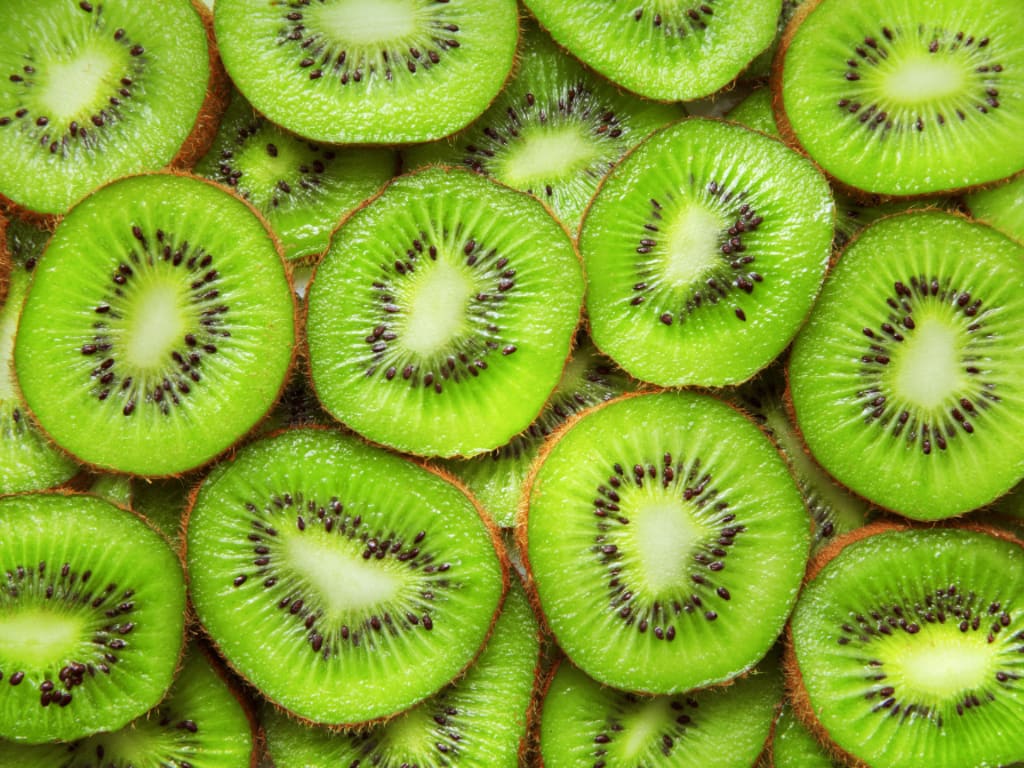
There are plenty of juicy, delicious fruits to choose from when you want to satisfy your sweet tooth with a healthy snack. But like some people, you might get into a pattern of adding the same kinds of fruit — perhaps bananas, apples, or oranges — to your grocery cart each week.
If you’re getting bored with the same ol’ same ol’, it’s time to step outside your comfort zone. And if you haven’t already, kiwi is a fruit that’s worth discovering.
What Is Kiwi, and What Should I Know About Its History?
Kiwi is a small fruit, usually smaller than your typical apple or orange. But don’t let its size fool you. Kiwis are packed with a lot of flavor and are an excellent source of nutrition.
Even if you’ve never eaten a kiwi, you can probably pinpoint one in a lineup, with its brown fuzzy skin, brilliant green color, and tiny black seeds.
Also called kiwifruit, Chinese gooseberry, or yang tao, kiwi originated in northern China, where it was mostly eaten for medicinal purposes. It wasn’t until the early 20th century that kiwi spread from China to New Zealand and began being cultivated there
Kiwi is a relatively new fruit crop. New Zealand didn’t start growing the crop commercially until the 1940s, and it wasn’t exported from that country to the United States until the 1950s. In 1959, a New Zealand produce business, finding that the name “Chinese gooseberry” was not attractive to U.S. importers,began calling it kiwifruit, after New Zealand’s national bird.
What’s in This Fuzzy Fruit? Kiwi Nutritional Facts to Know
Here’s the nutritional breakdown for one kiwifruit, about 75 grams (g), according to the U.S. Department of Agriculture
- 44 calories
- 148 milligrams (mg) of potassium, or 3 percent recommended daily value (DV)
- 2 g of dietary fiber, or 7 percent DV
- 0.8 g of protein, or 2 percent DV
- 26 mg of calcium, or 2 percent DV
- 56 mg of vitamin C, or 62 percent DV
- 7 g of sugar
- 1 mg of vitamin E, or 7 percent DV
- 30 micrograms (mcg) of vitamin K, or 25 percent DV
- 12 mg of magnesium, or 3 percent DV
- 3 mcg RAE of vitamin A, or 0.3 percent DV
- 20 mcg of folate, or 5 percent DV
How Good Is Kiwi Fruit for You? A Look at Its Possible Health Benefits
What exactly are the health benefits of kiwi? Here are eight reasons to make kiwi a regular part of your diet.
Improves Respiratory Health
Kiwi contains a good amount of vitamin C, which is a powerful antioxidant and an immune booster. But vitamin C doesn’t only strengthen the immune system, it may also improve breathing and reduce symptoms of asthma.
One study found a link between eating four fresh golden kiwis per day and reduced respiratory tract infection symptoms.
Helps With Digestion and Constipation
Because kiwi is a source of fiber, eating two per day may also help improve digestion and reduce constipation. It can also improve overall bowel function if you suffer from conditions like irritable bowel syndrome or inflammatory bowel disease.
Plays a Role in a Healthy Heart
As a source of potassium, kiwi is an excellent choice if you’re looking for natural ways to help lower high blood pressure (hypertension).
One study found that eating three kiwis a day helped lower individuals’ blood pressure, though you may see improvements with eating fewer — researchers attributed the reduction to a bioactive substance in the fruit. Reducing your blood pressure can decrease the likelihood of a stroke or heart attack.
The dietary fiber in kiwi can also provide heart benefits by lowering your triglycerides. A study found that people who ate two to three kiwis per day had a 15 percent lower triglyceride level compared with those who didn’t eat kiwi.
Promotes Bone Health
The vitamin K in kiwi also promotes healthier, stronger bones. A vitamin K deficiency leads to weaker bones and increases the risk of fractures and bone-related illnesses, such as osteoporosis.
Contains Possible Anti-Cancer Properties
Any type of food that can reduce the risk of cancer needs to be included on your plate. Like many types of fruits, the antioxidants in kiwi help protect your body from free radicals that have been linked to cancer in observational research. The fiber in kiwis also promotes healthy bowel function, which can lower the risk of certain cancers.
Supports Eye Health
Kiwi contains lutein, which research has shown can protect the eyes and decrease the risk of age-related vision loss.
Helps You Get Better-Quality Sleep
Do you have difficulty sleeping? You don’t have to reach for over-the-counter sleep drugs. It may come as a surprise, but kiwifruit contains serotonin, a hormone that can have a sedative effect. Eating two kiwis one hour before bed may help you fall asleep faster and stay asleep longer.
Promotes Healthy Weight Loss
Because kiwi is relatively low in calories (about 44 calories each) and contains some fiber, it’s also a great food if you’re looking to drop excess pounds. You can eat a kiwi if you’re in the mood for something sweet but don’t want to load up on junk foods like cookies, ice cream, or cake.
About the Creator
Keep reading
More stories from Fernanda Santas and writers in Education and other communities.
A Taste of Home: Stories Behind the Flavors
A Taste of Home: The Story of My Grandmother's Chicken and Rice As I sit here, reminiscing about the flavors that have shaped my life, one dish stands out above the rest: my grandmother's chicken and rice. This simple yet profound meal has been a cornerstone of family gatherings for generations, weaving together threads of love, tradition, and cultural heritage. In this blog post, I will delve into the story behind this beloved dish and share its recipe with you.
By Fernanda Santas11 months ago in Feast
The Proven Natural Skincare Secret with Healthy Skin
Healthy skin does not come from harsh products or complicated routines. It comes from working with nature, not against it. The natural skincare secret that many people overlook is the power of raw honey as a daily skin ally. This simple ingredient has been used for generations, yet many still do not understand its effectiveness. When used correctly, raw honey can change how your skin looks and feels.
By Kelln Small5 days ago in Education
What to Eat (And Avoid) During Colon Cancer Treatment: A Nutritionist-Approved Guide
When undergoing colon cancer treatment, your diet is more important than ever. The right nutrition can support your immune system, reduce side effects, and even enhance the effectiveness of treatments like chemotherapy and radiation. But knowing what to eat and what to avoid can be overwhelming.
By Erika Phillips 6 days ago in Education



Comments (1)
Kiwi is amazing! Fantastic work!