
Train Your Brain: The New Rules of Mental Fitness
Think better, feel better, live better — one thought at a time.

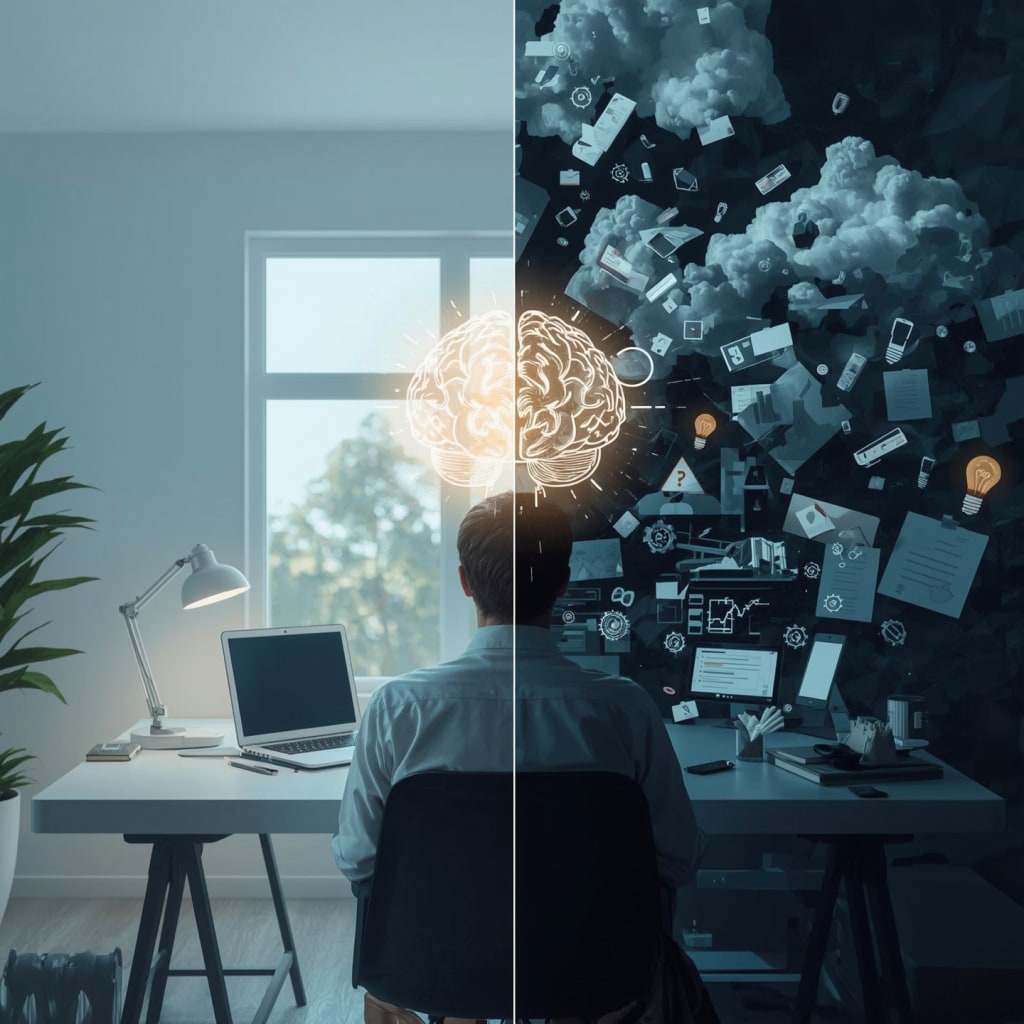
In a world obsessed with physical fitness, we’ve overlooked the most powerful muscle we own: the mind. Just like our bodies, our brains need regular training to stay sharp, resilient, and energized — especially in an age of constant distraction, burnout, and stress. Welcome to the new era of mental fitness.
Mental fitness isn't just about therapy or meditation apps. It's a proactive, daily practice — a way to train your mind to handle challenges, focus deeply, and stay emotionally agile. Whether you're a student juggling deadlines, a professional drowning in Zoom calls, or simply someone seeking balance, these new rules of mental fitness can transform how you think, feel, and live.
1. Mental Fitness is Daily — Not Occasional
You wouldn’t hit the gym once a month and expect results. The same goes for your mind. Mental fitness requires daily engagement, but not necessarily hours of meditation or journaling. Micro-practices — like mindful breathing, gratitude reflection, or focused reading — done consistently, have powerful cumulative effects.
Try this:
Start your day with 60 seconds of stillness. Just breathe. Tune in. Before you grab your phone or check email, take control of your mental state.
2. Stress is a Signal — Not the Enemy
We often label stress as “bad,” but stress is neutral. It’s information — a mental signal telling you something needs attention. The new mentally fit person doesn’t suppress stress; they investigate it.
Ask yourself:
“What is this stress trying to teach me?”
“Am I out of alignment with my values, or overwhelmed by noise?”
Reframing stress this way builds mental resilience, not mental avoidance.
3. Digital Detox is Strength Training for the Brain
Our attention spans have been hijacked. Endless scrolling, notifications, and multitasking erode deep thinking. Mental fitness today means protecting your focus like it’s sacred — because it is.
Try this challenge:
Block out one hour a day with no screens. Read. Write. Walk. Think. Your mind needs space to process, imagine, and recharge. You’ll be surprised how powerful boredom can be for creativity.
4. Emotions Are Data — Learn to Read Them
Mentally fit people don’t ignore their emotions — they decode them. Emotional literacy is one of the most underrated mental fitness skills of all. When you recognize what you're feeling and why, you respond with intention, not reaction.
Simple practice:
At the end of your day, name your dominant emotion in one word. Then ask:
“What triggered it?”
“What does this tell me about my current mental state?”
That small check-in can shift your entire self-awareness over time.
5. Gratitude Is Brain Fuel
Gratitude is more than a buzzword — it’s a neurological tool. Research shows regular gratitude practice increases dopamine and serotonin, the “feel-good” chemicals that boost mood, motivation, and mental clarity.
Start here:
Each morning, write down three things you're grateful for — but make them specific. Not just “my family,” but “my sister’s call yesterday when I felt low.” The more detailed, the more impactful.
6. Train Focus Like a Muscle
Concentration isn’t a gift — it’s a trained ability. The mentally fit brain isn’t always fast-paced; it knows how to slow down and focus deeply when it matters. In a distracted world, focus is your superpower.
Build it:
Set a timer for 25 minutes. Choose one task. No phones. No tabs. Just focus. This “Pomodoro Technique” strengthens attention span with practice.
7. Mental Fitness Is Not Mental Perfection
Let’s be clear: mental fitness doesn’t mean being positive all the time, never having anxiety, or avoiding burnout forever. It means knowing how to recover faster, how to self-regulate, and how to keep going without breaking.
Being mentally fit is messy, real, and human. It’s about having tools — not illusions.
8. Build a Mental Fitness Routine — Like a Gym Plan
You schedule workouts. You plan meals. Why not plan your mental fuel too?
Here’s a sample daily mental fitness plan you can adapt:
🕗 Morning:
1-minute breath check-in
Write 3 specific gratitudes
Set a 3-word intention for the day
🕐 Midday:
Walk without your phone
Do a 25-minute focused work sprint
Drink water + pause to assess your mental energy
🕗 Evening:
Name your dominant emotion
Reflect: What went well? What can I release?
Read or journal for 10 minutes to wind down
It doesn’t have to be perfect — just consistent.
Final Thoughts: You Are Your Mindset
Mental fitness isn't a trend. It’s your secret weapon in a world that demands more from your brain than ever before. And the best part? It’s trainable.
One thought at a time, one practice at a time, you can shape a stronger, clearer, more empowered mind — not just to survive, but to thrive.
Think better. Feel better. Live better.
Because your best life starts in your mind.
About the Creator
Kamran Zeb
Curious mind with a love for storytelling—writing what resonates, whatever the topic.
Keep reading
More stories from Kamran Zeb and writers in Education and other communities.
Earning Money Online Through Freelancing
Earning Money Online Through Freelancing In today’s digital world, earning money online has become easier than ever before. One of the most popular and trusted ways to make money online is through freelancing. Freelancing allows people to work independently, use their skills, and earn income without being tied to a traditional office job. With just a computer, an internet connection, and useful skills, anyone can start freelancing from anywhere in the world.
By Bilal Mohammadi2 days ago in Education
Adding Tech to Ed
Technology is reshaping education in ways that were unimaginable just a generation ago. While access to quality learning was once limited by geography, income, language, or physical ability, digital innovation is steadily removing many of those barriers. Today, technology is not simply enhancing classrooms—it is expanding who education is for, when it happens, and how it is experienced. By increasing flexibility, personalization, and inclusion, technology is making education more accessible to learners of all ages and backgrounds.
By Dennis Muizers Lovejoy2 days ago in Education




Comments
There are no comments for this story
Be the first to respond and start the conversation.