
Adding Tech to Ed
Dennis Muizers explores how technology is helping make education more accessible.

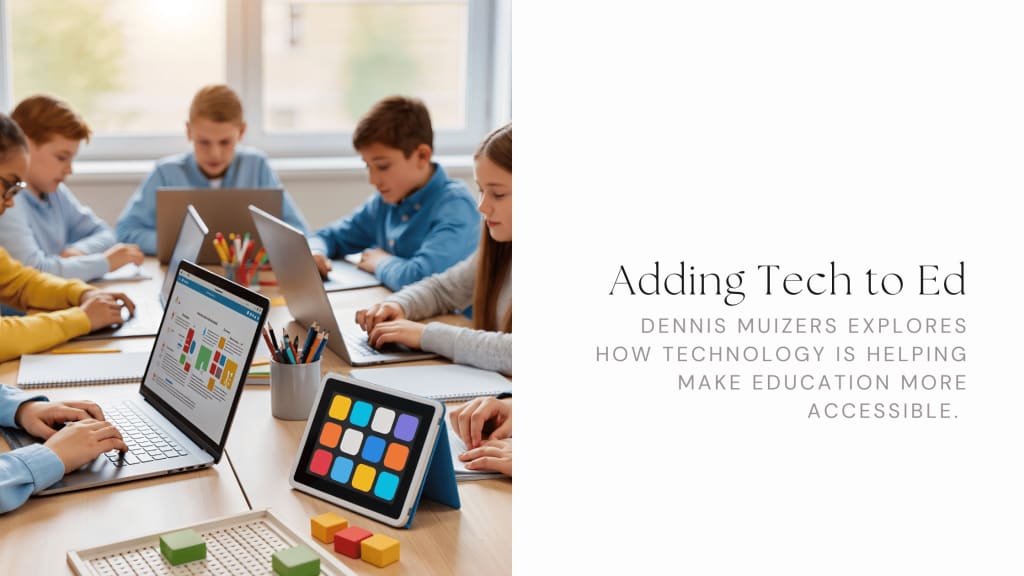
Technology is reshaping education in ways that were unimaginable just a generation ago. While access to quality learning was once limited by geography, income, language, or physical ability, digital innovation is steadily removing many of those barriers. Today, technology is not simply enhancing classrooms—it is expanding who education is for, when it happens, and how it is experienced. By increasing flexibility, personalization, and inclusion, technology is making education more accessible to learners of all ages and backgrounds.
One of the most significant ways technology improves access is by breaking down geographic limitations. Online learning platforms allow students in rural or underserved areas to enroll in courses that may not be available locally. Virtual classrooms connect learners to expert instructors, advanced coursework, and specialized subjects regardless of location. For students who cannot attend traditional schools due to health issues, family responsibilities, or mobility challenges, remote learning provides continuity and opportunity that might otherwise be out of reach.
Technology also addresses time-based barriers to education. Learning no longer needs to follow a rigid schedule confined to school hours. Recorded lessons, self-paced courses, and on-demand resources allow students to learn when it works best for them. This flexibility is especially valuable for working students, caregivers, and adult learners returning to education. By accommodating diverse schedules and life circumstances, technology helps ensure that learning is not limited to those who can conform to traditional academic timelines.
Accessibility is further enhanced through personalized learning experiences. Adaptive learning platforms use data to tailor instruction to individual student needs, adjusting the pace, level of difficulty, and type of support offered. Students who need additional practice can receive it without stigma, while those ready for enrichment can move ahead. This personalization supports learners with different abilities, learning styles, and levels of prior knowledge, helping more students succeed rather than forcing a one-size-fits-all model.
For students with disabilities, technology has been transformative. Assistive tools such as text-to-speech, speech-to-text, screen readers, closed captioning, and adjustable font sizes make learning materials more accessible to students with visual, auditory, or motor challenges. Digital note-taking tools, audiobooks, and organizational apps help students with learning differences manage information and stay engaged. When designed inclusively, educational technology empowers students to participate fully and independently in their learning.
Language access is another critical area where technology is making a difference. Multilingual platforms, real-time translation tools, and bilingual content enable students and families who speak languages other than English to engage more fully with education. Students can access lessons in their home language while developing proficiency in a second language, reducing frustration and improving comprehension. Families, in turn, can better support learning when communication from schools is accessible and culturally responsive. This strengthens home-school partnerships and fosters a more inclusive educational environment.
Technology also plays a vital role in expanding access to educational resources. Digital libraries, open educational resources, and online databases provide students with free or low-cost access to books, research materials, and instructional content. For communities with limited physical libraries or outdated textbooks, these resources are game-changing. Students can explore diverse topics, pursue personal interests, and deepen learning without financial barriers.
Affordability is another area where technology contributes to accessibility. While devices and internet access remain challenges in some communities, digital learning can reduce costs associated with transportation, physical materials, and housing near educational institutions. Open-source software and free learning platforms further lower barriers, allowing learners to access high-quality content without significant financial investment. When paired with policies and programs that address the digital divide, technology can help level the playing field.
Technology is also transforming how educators support and engage students. Learning management systems, data analytics, and communication tools help teachers identify learning gaps early and provide timely intervention. Digital feedback tools allow for quicker, more targeted responses, helping students improve in real time. Communication platforms keep families informed and involved, making education more transparent and collaborative.
Perhaps most importantly, technology fosters a sense of belonging and agency in learning. Online communities, discussion boards, and collaborative tools give students a voice and connect them with peers beyond their immediate environment. Students who may feel isolated in traditional settings can find support, mentorship, and motivation through digital networks.
While technology alone cannot solve every challenge in education, its role in expanding access is undeniable. When implemented thoughtfully and equitably, technology opens doors that were once closed, making education more flexible, inclusive, and responsive to individual needs. As digital tools continue to evolve, they hold the potential to ensure that quality education is not a privilege for a few, but a possibility for all.
About the Creator
Dennis Muizers Lovejoy
Dennis Muizers worked with Lovejoy Independent School District in Allen, TX, for over 15 years. He is a skilled educational leader with an interest in new technology.
Keep reading
More stories from Dennis Muizers Lovejoy and writers in Education and other communities.
Influential Classroom EdTech Trends
Technological innovations have transformed the way we do everything, from business to education. Especially after most schools went remote during the pandemic, school districts are navigating how technology can improve their students' learning experiences and outcomes. Educational technology, or EdTech, is a booming industry that offers many helpful tools for both teachers and students. Here are some of the most influential classroom EdTech trends.
By Dennis Muizers Lovejoy3 years ago in Education
What’s the best position to sleep in?
In the 1970s, psychoanalyst Samuel Dunkell proposed a curious, albeit almost completely unsubstantiated, theory that the position you sleep in reflects your personality. For example, preferring to snooze in the so-called royal position indicated self-confidence, while sleeping semi-fetal meant you’re sensible and well adjusted. While Dunkell’s ideas lack any definitive proof, how we sleep can impact our health. So, what’s the best position to sleep in? Sleep positions go by countless creative names—
By Munesh Yadavabout 17 hours ago in Education
How a Bowl of Noodles Became a Global Phenomenon That Crossed Borders
A bowl of noodles is one of the most familiar meals in the world. It appears in many cultures, served in different ways, yet always recognizable. The path of how a bowl of noodles became a global phenomenon is tied to human movement, simple cooking methods, and the need for comfort food. This story explains how a basic dish grew into a worldwide favorite.
By Table to Stix Ramen5 days ago in Education


Comments
There are no comments for this story
Be the first to respond and start the conversation.