
The Role of the Mosque and Its Importance in Islam
Role Of The Mosque

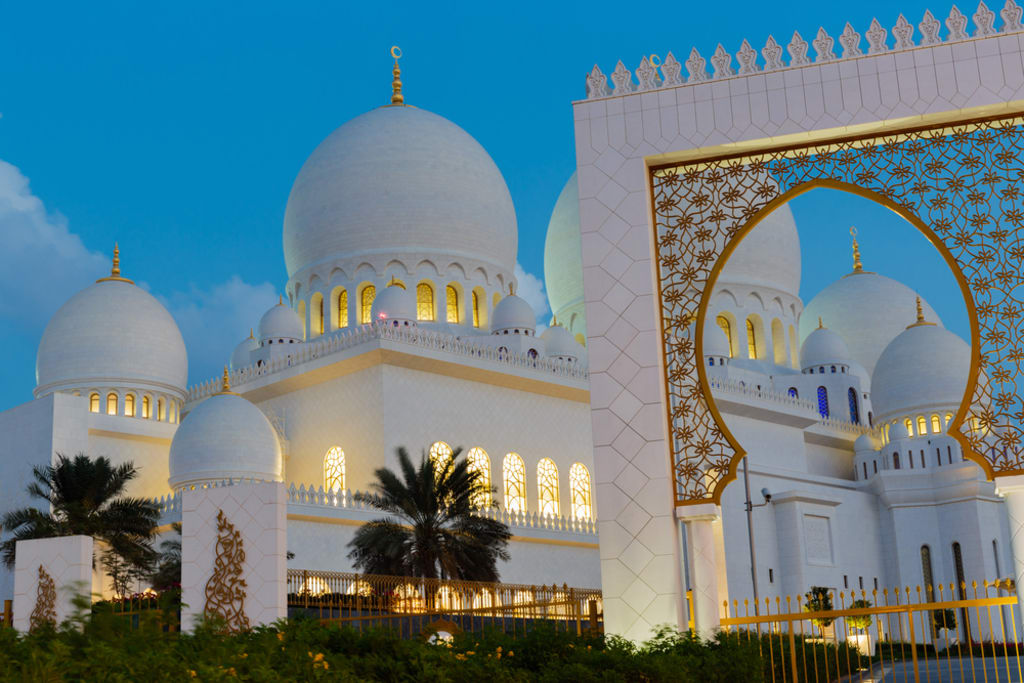
The Role of the Mosque and Its Importance in Islam
The mosque, or "Masjid" in Arabic, holds a central place in the life of a Muslim. It is not merely a place of worship but serves as a hub for social, educational, and spiritual activities within the Muslim community. The significance of the mosque in Islam extends far beyond the daily prayers, encompassing various aspects of a Muslim's life and the broader society. This article delves into the role of the mosque and its importance in Islam, highlighting its multifaceted contributions to the spiritual and communal life of Muslims. Online Madrasa classes for kids and adults.
1. A Place of Worship and Spiritual Connection
At its core, the mosque is a sacred space where Muslims gather to perform their daily prayers (Salah). The mosque provides a tranquil environment conducive to worship, allowing individuals to connect with Allah in a communal setting. The five daily prayers, which are central to Islamic practice, are ideally performed in congregation at the mosque. This communal worship fosters a sense of unity and brotherhood among Muslims, as they stand shoulder to shoulder, regardless of social status, race, or ethnicity.
The significance of congregational prayers in the mosque is emphasized in several Hadiths (sayings of the Prophet Muhammad, peace be upon him). For instance, the Prophet said:
"The prayer in congregation is twenty-seven times superior to the prayer offered by a person alone." (Sahih Bukhari)
This Hadith underscores the spiritual benefits of praying in a group, which include increased rewards and a stronger sense of community.
2. A Center for Education and Learning
Historically, mosques have been centers of learning and education. They serve as venues for teaching the Quran, Hadith, Fiqh (Islamic jurisprudence), and other Islamic sciences. Many of the great Islamic scholars of the past began their studies in mosques, where they learned from knowledgeable teachers and scholars.
In contemporary times, mosques continue to play an essential role in educating Muslims about their faith. They often offer classes and lectures on various topics, including Quranic recitation, Islamic history, and the teachings of the Prophet Muhammad (peace be upon him). These educational activities help Muslims gain a deeper understanding of their religion and apply its principles in their daily lives.
Moreover, mosques serve as places where children and young people can learn about Islam from an early age. Many mosques have weekend schools or evening classes where children are taught the basics of the Quran, Islamic manners, and values. These early lessons help instill a strong Islamic identity in young Muslims, guiding them as they grow into adulthood.
3. A Hub for Social and Community Activities
The mosque is more than just a place of worship; it is a vital social institution in the Muslim community. It serves as a gathering place for Muslims to meet, socialize, and support one another. The sense of brotherhood and sisterhood fostered in the mosque strengthens the bonds within the community.
Mosques often host a variety of social events, such as community dinners, charity drives, and cultural celebrations. These events provide opportunities for Muslims to come together, share their experiences, and support each other in times of need. For instance, during the month of Ramadan, mosques frequently organize Iftar (breaking the fast) gatherings, where members of the community come together to share a meal and break their fast.
In addition to social activities, mosques play a crucial role in supporting those in need. Many mosques operate charitable programs, such as food banks, clothing drives, and financial assistance for the poor and needy. These charitable efforts are a reflection of the Islamic principles of compassion, generosity, and caring for others.
4. A Place for Spiritual and Moral Guidance
The mosque serves as a source of spiritual and moral guidance for Muslims. The Imam (prayer leader) and other religious leaders in the mosque provide counsel and advice on various matters related to faith, ethics, and personal conduct. This guidance helps Muslims navigate the challenges of life while adhering to Islamic principles.
The Friday sermon (Khutbah) is a key aspect of this guidance. Delivered before the Jumu'ah (Friday) prayer, the sermon addresses current issues facing the community, offering insights and advice based on Islamic teachings. The Khutbah is an opportunity for the Imam to inspire and educate the congregation, encouraging them to live according to the values of Islam.
In times of difficulty or crisis, the mosque serves as a place where Muslims can seek solace and support. Whether it’s dealing with personal struggles, family issues, or broader societal challenges, the mosque provides a space for reflection, prayer, and guidance.
5. A Symbol of Islamic Identity and Unity
The mosque is a powerful symbol of Islamic identity and unity. It represents the shared faith and values of Muslims and serves as a reminder of their collective duties and responsibilities. The mosque’s role as a unifying force is particularly evident during major Islamic events, such as Eid prayers, where large numbers of Muslims gather to celebrate their faith together.
In non-Muslim majority countries, the mosque plays an even more significant role in maintaining and fostering Islamic identity. It serves as a focal point for the Muslim community, helping them preserve their religious practices and traditions. For many Muslims living in the West, the mosque is a place where they can connect with their cultural and religious heritage, passing it on to future generations.
6. A Platform for Interfaith Dialogue and Understanding
In today’s diverse and multicultural societies, mosques can play a crucial role in promoting interfaith dialogue and understanding. By opening their doors to people of other faiths, mosques can help build bridges of understanding and cooperation between different religious communities.
Many mosques host interfaith events, such as open houses, where people of different faiths can learn about Islam and engage in meaningful discussions. These events foster mutual respect and understanding, helping to dispel misconceptions and promote peace and harmony in the broader society.
7. The Mosque in the Life of the Prophet Muhammad (peace be upon him)
The importance of the mosque in Islam is rooted in the practices of the Prophet Muhammad (peace be upon him). The Prophet established the first mosque, Masjid Quba, shortly after his migration to Medina. This mosque became a center for worship, education, and community affairs, setting the precedent for the role of mosques in Muslim societies.
The Prophet’s Mosque in Medina, known as Masjid an-Nabawi, further exemplifies the mosque’s multifaceted role. It was not only a place of prayer but also a space where the Prophet conducted meetings, delivered sermons, and resolved disputes. The mosque served as the heart of the Muslim community, where all aspects of life were integrated with faith.
Conclusion
The mosque is more than just a place of worship; it is the heart of the Muslim community. It serves as a center for spiritual growth, education, social interaction, and moral guidance. Quran teacher from egypt, the mosque fosters a sense of unity and brotherhood among Muslims, while also playing a vital role in preserving Islamic identity and promoting interfaith dialogue.
In a world where communities are often fragmented, the mosque stands as a beacon of faith, unity, and compassion. By actively participating in the life of the mosque, Muslims can strengthen their connection with Allah, support their community, and contribute to the broader society. The role of the mosque in Islam is thus integral to the spiritual, social, and moral fabric of the Muslim world.
About the Creator
Quran Assistant
Online Quran classes for kids and adults, start learning the Quran with Tajweed. Our certified (Wafaq ul Madaris®) tutors will take you through step by step process to read the Quran with Tajweed.
Keep reading
More stories from Quran Assistant and writers in Education and other communities.
Easy Tips For Learning The Quran Online
Easy Tips for Learning the Quran Online Learning the Quran is a deeply rewarding spiritual journey, and in today's digital age, it's more accessible than ever before. With the advent of online platforms, students from all over the world can connect with qualified teachers and learn the Quran from the comfort of their homes. However, learning online presents its own set of challenges. To make the most of your online Quran learning experience, here are some practical tips that can help you navigate this journey effectively.
By Quran Assistantabout a year ago in Education
The Unique Case of Alma Mater TV
(A Review of Charmaine Voigt's Dissertation on Practical Media Training) Abstract This review examines the Bulgarian case study of Alma Mater TV as discussed in Charmaine Voigt's doctoral dissertation College Television: Practical Media Training in US and German Higher Education. While Voigt's work focuses primarily on Anglo-American and German contexts, the Bulgarian example stands out as an exceptional and largely unmatched model of student television in Europe. Alma Mater TV, based at the Faculty of Journalism and Mass Communication at Sofia University 'St. Kliment Ohridski', functioned not merely as a training platform but as a fully operational public-facing television project. Students produced and aired original programmes on Bulgaria's largest national broadcasters without censorship or editorial interference, while simultaneously participating in the creation of a European student television network. This review argues that Alma Mater TV represented a globally unique pedagogical and institutional experiment whose decline resulted not from structural failure but from a lack of strategic vision at the university leadership level. Particular attention is paid to the decisive roles of Professor Svetla Bozhilova and Professor Peter Ayolov in establishing and sustaining this model.
By Peter Ayolovabout 18 hours ago in Education
Why Understanding the Problem Matters More Than the Stack
Modern software development places extraordinary emphasis on tools. New frameworks promise productivity, new languages promise safety, new architectures promise scale. Engineers debate stacks with near-ideological intensity. Yet many of the most expensive failures in software have nothing to do with poor technology choices. They stem from something more fundamental: a shallow understanding of the problem being solved.
By Gustavo Woltmannabout 15 hours ago in Education



Comments
There are no comments for this story
Be the first to respond and start the conversation.