
The Role of Arts Education in Holistic Development: Fostering Creativity and Expression
Fostering Creativity and Expression

In today's fast-paced and technologically driven world, the importance of arts education in fostering holistic development cannot be overstated. While traditional academic subjects like math, science, and language arts play a crucial role in education, the arts offer a unique and valuable contribution. By providing students with opportunities for creative expression, arts education cultivates their imagination, emotional intelligence, critical thinking skills, and cultural awareness. In this essay, we will explore the multifaceted role of arts education in holistic development and the positive impact it has on students' lives.
Nurturing Creativity
One of the primary benefits of arts education is its ability to nurture creativity. Artistic disciplines such as visual arts, music, dance, and theater provide students with a creative outlet to explore their imagination and express themselves in unique ways. Through these artistic experiences, students learn to think outside the box, challenge conventional norms, and approach problems from multiple perspectives. Cultivating creativity is essential in preparing students for the complexities and uncertainties of the 21st century, where innovation and originality are highly valued.
Emotional Expression and Self-Discovery
Art serves as a powerful medium for emotional expression. In a world where verbal communication often falls short, the arts provide a nonverbal platform for students to convey their feelings, thoughts, and experiences. Through painting, drawing, playing a musical instrument, or engaging in dance, students can tap into their emotions, release stress, and gain a better understanding of themselves. Artistic expression fosters emotional intelligence by encouraging students to explore their inner world and develop empathy towards others.
Cognitive Development and Critical Thinking
Engagement with the arts has been linked to enhanced cognitive development. When students create art, they make decisions, analyze visual and auditory elements, experiment with techniques, and solve problems. These activities stimulate critical thinking skills and improve memory, attention span, and spatial reasoning. Additionally, exposure to various art forms broadens students' perspectives, helping them understand different cultures, historical periods, and social issues. Through analyzing and interpreting art, students develop higher-order thinking skills and become more effective communicators.
Collaboration and Communication
Arts education often involves collaborative projects and performances that require students to work together towards a common goal. Whether it's a theater production, a musical ensemble, or a visual arts project, students learn the importance of effective communication, cooperation, and teamwork. Collaborative artistic endeavors promote active listening, negotiation, and compromise, while also fostering an appreciation for diverse talents and perspectives. These experiences develop vital social skills, empathy, and the ability to work harmoniously in group settings, skills that are invaluable in both personal and professional life.
Cultural Appreciation and Global Awareness
The arts provide a gateway to different cultures, traditions, and historical periods. Through studying various art forms, students gain a deeper understanding and appreciation for diverse cultural expressions. By exploring different artistic traditions, students develop cultural sensitivity, respect for differences, and an awareness of global perspectives. This cultural appreciation not only enriches students' lives but also prepares them to be responsible global citizens who can engage with and contribute to diverse communities in an interconnected world.
Conclusion
Arts education plays a vital role in holistic development by fostering creativity, emotional expression, critical thinking, collaboration, and cultural appreciation. It nurtures students' creative potential, allowing them to think innovatively and approach challenges with fresh perspectives. Moreover, arts education provides an avenue for emotional expression and self-discovery, helping students navigate their inner world and develop empathy. The cognitive benefits of arts education enhance students' overall intellectual growth, while collaborative artistic experiences promote effective communication and teamwork. Lastly, cultural appreciation through arts education fosters global awareness and prepares students to embrace diversity in an increasingly interconnected societyFurthermore, the impact of arts education extends beyond the individual student. Schools that prioritize arts education create a vibrant and inclusive learning environment that celebrates diverse talents and encourages creativity. Students who engage in arts education often develop a sense of belonging and self-confidence, as their unique abilities and perspectives are valued and celebrated.
In addition to the personal and social benefits, arts education has been shown to have positive effects on academic performance. Studies have found that students involved in the arts tend to have higher attendance rates, increased motivation to learn, and improved academic achievement across multiple subjects. The skills developed through arts education, such as problem-solving, critical thinking, and creativity, can transfer to other academic areas, enhancing overall cognitive abilities.
Unfortunately, in recent years, there has been a trend of reduced funding and decreased emphasis on arts education in many educational institutions. This shift is often driven by a narrow focus on standardized testing and a misconception that the arts are nonessential or extracurricular. However, the evidence clearly demonstrates that arts education is not a luxury, but a fundamental component of a well-rounded education.
To ensure the continued integration of arts education in schools, it is crucial for educators, policymakers, and parents to advocate for its value. Collaboration between schools, community organizations, and local artists can provide opportunities for students to engage in artistic experiences outside the classroom. Additionally, integrating arts into other subjects, such as incorporating visual representations in science or using music to teach math concepts, can create interdisciplinary learning experiences that enhance student engagement and understanding.
In conclusion, arts education plays a pivotal role in fostering holistic development in students. By nurturing creativity, facilitating emotional expression, stimulating cognitive growth, promoting collaboration and communication, and cultivating cultural appreciation, arts education equips students with invaluable skills and qualities for personal, academic, and social success. It is imperative that we recognize the significance of arts education and ensure its integration into the curriculum for the betterment of our students and society as a whole. Embracing the arts is not merely an option; it is an investment in the well-being and future of our students.
About the Creator
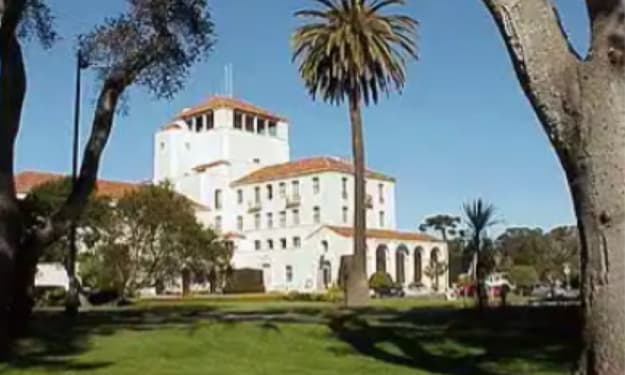
Creating a Higher Education Legacy in Monterey
Not Known for Colleges Picturesque Monterey, California is not known as a college town. Instead, its recent fame was that of being the old stomping grounds for John Steinbeck and the current location of a world-class marine aquarium.
By Dean Traylorabout 10 hours ago in Education
Affection and Healing for Yourself
During the night of the last quarter moon, I gathered my ritual supplies. I carefully handled the chunk of black tourmaline that would protect me from your overall negative and narcissistic energy. I carefully walked the house with my stick of selenite in hand, asking the universe to cleanse our working space.
By Alisha Wilkins ✒️🦋🖋️7 days ago in Fiction



Comments
There are no comments for this story
Be the first to respond and start the conversation.