
1. Introduction
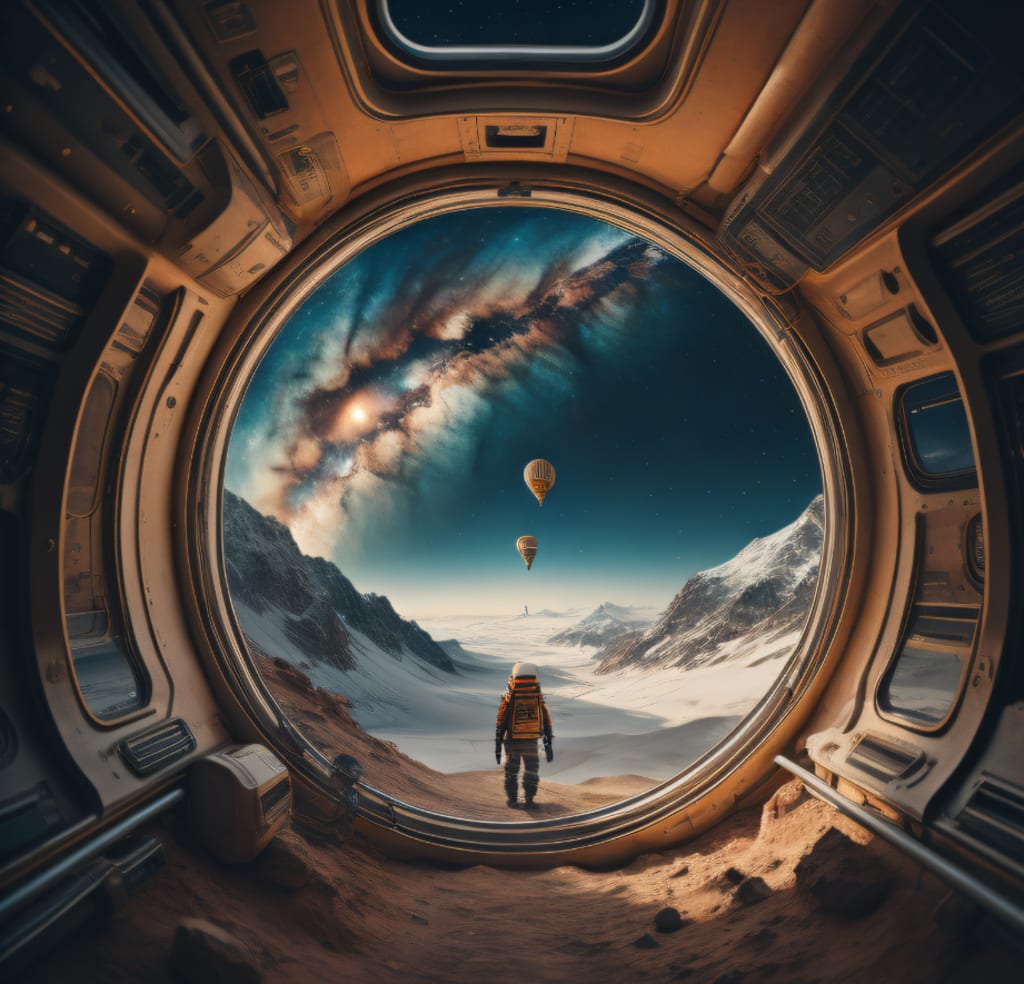
Space, the vast expanse of the cosmos, has always been a source of fascination and wonder for humankind. From ancient astronomers gazing at the stars to modern scientists launching satellites and astronauts into orbit, our desire to explore the universe is a testament to our innate curiosity and ambition. Today, we stand on the precipice of a new era in exploration, one where the cosmos is not just the domain of astronauts and scientists, but also of ordinary people. Welcome to the era of space tourism, the final frontier for travel.
2. The Dawn of Space Tourism
The concept of space tourism is not new. In fact, it has been a staple of science fiction for decades. However, it was only in the early 21st century that it began to transition from fiction to reality. The first fee-paying space tourist, Dennis Tito, journeyed to the International Space Station (ISS) aboard a Russian Soyuz spacecraft in 2001. His week-long stay in orbit marked a significant milestone in the history of space travel, proving that space tourism was not just a dream, but a viable reality.
Since Tito's groundbreaking journey, a handful of other private citizens have also made the trip to the ISS, each contributing to the evolution and development of space tourism. These early space tourists paved the way for the next generation of space travel, one that aims to make the cosmos accessible to more people than ever before.
3. The Players in the Field
Today, several companies are vying for dominance in the burgeoning space tourism industry. Among the most prominent are SpaceX, Blue Origin, and Virgin Galactic.
SpaceX, led by visionary entrepreneur Elon Musk, has made headlines with its ambitious plans for Mars colonization. However, closer to home, the company is also planning to offer orbital and lunar tourism services. SpaceX's Crew Dragon spacecraft, which has already successfully transported astronauts to the ISS, is expected to be the vehicle of choice for these tourist missions.
Blue Origin, founded by Amazon's Jeff Bezos, is focusing on suborbital tourism with its New Shepard vehicle. The company aims to offer short, but exhilarating trips to the edge of space, providing passengers with a few minutes of weightlessness and stunning views of Earth.
Virgin Galactic, under the leadership of Sir Richard Branson, is also targeting the suborbital tourism market. The company's SpaceShipTwo vehicle is designed to offer a unique, high-altitude experience, launching from a carrier aircraft and then rocketing to the edge of space.
4. The Experience of Space Travel
Space travel is unlike any other form of tourism. It offers a unique blend of exhilaration, awe, and introspection. The journey begins with intense acceleration as the spacecraft rockets into the sky. As the vehicle ascends, the blue sky gradually darkens to black, and the curvature of the Earth becomes visible. Once in space, tourists can experience the sensation of weightlessness, float freely in the cabin, and gaze at the stunning panorama of Earth against the backdrop of the cosmos.
However, space travel is not without its challenges. Space tourists must undergo rigorous training to prepare for the physical and psychological stresses of spaceflight. This includes learning how to move and function in a weightless environment, dealing with the potential for space sickness, and preparing for emergency situations.
5. The Impact of Space Tourism
The rise of space tourism has the potential to bring significant benefits. It could stimulate technological innovation, contribute to scientific research, and inspire a new generation of scientists and engineers. Moreover, by making space more accessible, it could change our perspective of our planet, fostering a sense of unity and urgency in addressing global challenges.
However, space tourism also raises several environmental and ethicalissues. The carbon footprint of space launches, the potential for space debris, and the noise pollution associated with launches and landings are all significant concerns. Ethically, questions have been raised about the cost of space tourism and whether resources spent on sending people to space could be better used addressing pressing issues on Earth.
6. The Future of Space Tourism
Despite these challenges, the future of space tourism looks promising. Companies are continually innovating, with plans for larger spacecraft that can accommodate more passengers, lunar tourism, and even the possibility of hotels in space. SpaceX's Starship, for instance, is being designed with the capability of carrying up to 100 passengers, potentially lowering the cost per ticket and making space tourism more accessible.
However, the industry will need to navigate regulatory hurdles, safety concerns, and public perception. The tragic crash of Virgin Galactic's VSS Enterprise in 2014 served as a stark reminder of the risks associated with space travel. Ensuring the safety of passengers will be paramount as the industry continues to develop.
7. Conclusion
Space tourism represents the final frontier for travel, a new era of exploration that promises to redefine our relationship with the cosmos. As we stand on the cusp of this exciting frontier, we are reminded of the words of science fiction writer Arthur C. Clarke: "Two possibilities exist: either we are alone in the Universe or we are not. Both are equally terrifying." As space tourism becomes a reality, we inch ever closer to answering that profound question.
While the journey to making space tourism commonplace may be fraught with challenges, the potential rewards – scientific advancement, technological innovation, and a renewed perspective on our place in the cosmos – make it a journey worth taking. As we look to the stars, we do so with a sense of anticipation and wonder, eager to see what the final frontier holds for us.
About the Creator
Magnet Market Outlook: Industrial Machinery Demand, Automation Growth & Industry Forecast to 2025
The global magnet industry is undergoing a significant transformation, evolving from a traditional component sector into a strategic pillar of the modern green economy. According to IMARC Group’s latest data, the global magnet market size reached USD 41.75 Billion in 2024. Looking forward, IMARC Group estimates the market to reach USD 58.7 Billion by 2033, exhibiting a CAGR of 3.82% during 2025-2033.
By Andrew Sullivan5 days ago in Futurism


Comments
There are no comments for this story
Be the first to respond and start the conversation.