
The Rise of Virtual Reality in Everyday Life
Exploring How VR is Transforming Entertainment, Education, Work, and Social Connections

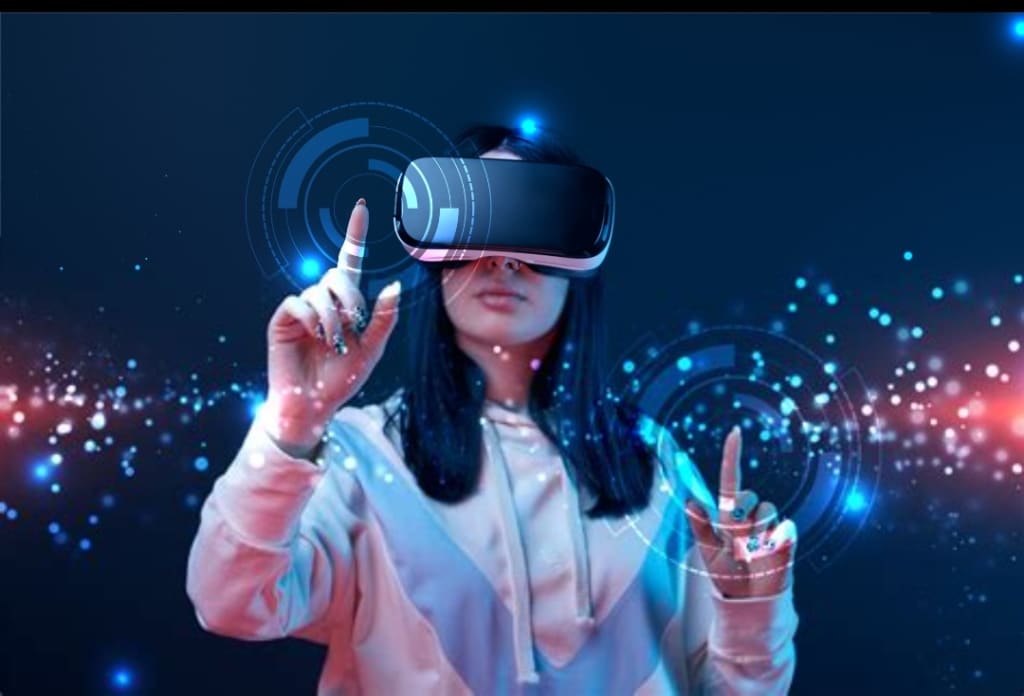
Virtual reality (VR) is no longer confined to the realm of science fiction or specialized tech communities. Over the past few years, it has steadily integrated into various aspects of everyday life, transforming the way people work, learn, play, and connect. The rise of VR technology is not just about impressive visuals and immersive experiences; it is a cultural shift that is reshaping multiple industries and redefining human interactions in the digital age.
One of the most noticeable areas where VR has made an impact is in the entertainment industry. Gaming, in particular, has seen a revolutionary transformation with the introduction of VR headsets such as the Oculus Quest, PlayStation VR, and HTC Vive. These devices have elevated traditional gaming experiences by immersing players in lifelike environments where they can interact with virtual worlds in real time. Players can explore fantasy landscapes, engage in intense battles, and even participate in social gatherings without ever leaving their living rooms. Beyond gaming, VR is being used for virtual concerts, movies, and theme park experiences, offering new ways to entertain and engage audiences.
Education is another field where VR has proven to be a game-changer. Schools and universities are increasingly adopting VR as a teaching tool to provide students with immersive and interactive learning experiences. Imagine a history class where students can walk through ancient Rome or a science lesson where they can explore the human body at a microscopic level. VR enables learners to grasp complex concepts through visual and experiential methods, making education more engaging and effective. Additionally, VR can bridge the gap for remote learners, allowing them to feel present in virtual classrooms alongside their peers.
The healthcare industry has also embraced VR technology with remarkable results. Surgeons can now use VR simulations to practice complex procedures, improving their skills without risking patient safety. VR is also being used in therapy and rehabilitation, helping patients overcome phobias, manage pain, and regain motor functions. For example, virtual environments can be created to gradually expose patients to their fears in a controlled and safe setting, leading to desensitization and emotional healing. The potential for VR in healthcare continues to grow as research and technology advance.
In the business world, VR has become a valuable tool for collaboration and training. With remote work becoming increasingly common, companies are using VR platforms to conduct meetings, workshops, and team-building activities. These virtual environments allow employees to feel connected and engaged, even when working from different locations. VR is also being used for employee training, particularly in industries such as manufacturing, aviation, and customer service. Simulated environments provide a safe space for trainees to practice skills and handle challenging scenarios without real-world consequences.
The retail and e-commerce sectors are also leveraging VR to enhance the shopping experience. Virtual showrooms and fitting rooms allow customers to explore products and try on clothing without stepping into a physical store. This not only saves time but also provides a more personalized and interactive shopping experience. Some real estate companies are using VR to offer virtual property tours, enabling potential buyers to explore homes from anywhere in the world. As VR technology becomes more accessible, it is likely to become a standard feature in the retail landscape.
Social interaction is another aspect of daily life that VR is transforming. Virtual social platforms such as VRChat and AltspaceVR allow users to connect with friends and strangers in virtual environments, attending events, playing games, and simply hanging out. These spaces provide a sense of presence and community that traditional online interactions often lack. As VR technology continues to evolve, it has the potential to redefine how people build and maintain relationships in a digital age.
Despite its many advantages, the rise of VR is not without challenges. One of the primary concerns is the cost of VR hardware, which can be prohibitively expensive for many users. However, as technology advances and production costs decrease, more affordable options are becoming available. Another concern is the potential for addiction and social isolation, as users may become overly immersed in virtual worlds at the expense of real-world interactions. Additionally, issues related to data privacy and security need to be addressed to ensure that users' personal information is protected.
Looking ahead, the future of VR is promising. As technology continues to advance, VR experiences will become more realistic, accessible, and integrated into everyday life. The development of haptic feedback devices, which simulate touch sensations, will further enhance the immersive experience. Additionally, advancements in artificial intelligence will allow virtual environments to become more dynamic and responsive, creating richer and more personalized experiences.
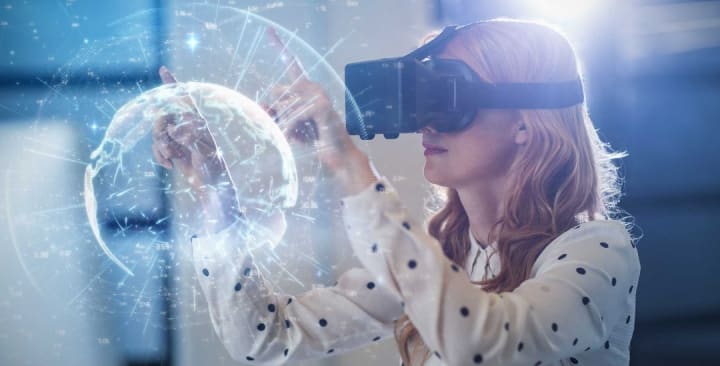
The rise of virtual reality in everyday life is a testament to human ingenuity and the desire to push the boundaries of what is possible. From entertainment and education to healthcare and business, VR is reshaping the world and opening up new possibilities for how people live, work, and connect. As society continues to embrace this transformative technology, it is essential to navigate its challenges responsibly and harness its potential for positive change. The journey into virtual worlds has just begun, and the future promises to be both exciting and extraordinary.
About the Creator
Nora Ariana
Empowering through stories and sound igniting purpose, sparking growth, and awakening the power within.
Keep reading
More stories from Nora Ariana and writers in Education and other communities.
A goal is a dream with a deadline
A goal is a dream with a deadline. This powerful quote reminds us that without action, dreams remain just that wishes floating in our imagination. But when we set a timeline and commit to achieving them, they evolve into goals, bringing clarity, direction, and purpose. Many people go through life holding on to dreams, hoping they will come true someday. But someday is not a day on the calendar. Dreams without structure often fade with time or get buried under the weight of daily responsibilities. Turning a dream into a goal is what separates those who achieve from those who continue to wish.
By Nora ArianaExclusive • 9 months ago
Digital Signage Solutions Supporting Communication in Schools
I still remember the chaos of my first week as a communications coordinator at a mid-sized university. Between emergency alerts that never reached students, event posters peeling off bulletin boards, and faculty members who couldn't find the right room for meetings, I realized our campus communication system was stuck in the 1990s. That experience changed how I think about information flow in educational settings.
By Jerry Kane 3 days ago in Education
Sowing Strength: How Farmer Training Breaks the Cycle of Hunger
A single factor rarely causes hunger. It is the result of interconnected challenges, including poverty, weak agricultural systems, climate change, and limited access to education. Although global food production is sufficient to feed the world’s population, millions of people still struggle to secure enough nutritious food. In many cases, those most affected by hunger are farmers themselves—individuals who work the land daily but lack the training needed to farm efficiently and sustainably.
By Convoy of Hope7 days ago in Education



Comments
There are no comments for this story
Be the first to respond and start the conversation.