
The Impact of the Pandemic on Mental Health and Coping Mechanisms for Stress and Anxiety.
The Impact of the Pandemic on Mental Health


The COVID-19 pandemic has had a profound impact on the mental health of people around the world. The stress and anxiety associated with the pandemic have affected everyone, from frontline workers and essential personnel to people who have lost their jobs, businesses, and loved ones. In this article, we will explore the impact of the pandemic on mental health and the coping mechanisms that people can use to manage stress and anxiety.
The impact of the pandemic on mental health
The pandemic has created a perfect storm for mental health issues. The isolation, uncertainty, and fear associated with the pandemic have taken a toll on people's mental health. A survey by the Kaiser Family Foundation found that 53% of adults in the US reported that their mental health had been negatively impacted by the pandemic. The pandemic has increased stress and anxiety, and this has been exacerbated by the lack of access to mental health services due to social distancing and stay-at-home orders.
The pandemic has also led to an increase in depression and other mood disorders. A study by JAMA Network Open found that the prevalence of depression symptoms in the US has tripled since the pandemic began. The study also found that people who had experienced job loss, financial strain, or COVID-19-related stress were more likely to experience depression symptoms.
The pandemic has also affected people's physical health. The stress and anxiety associated with the pandemic can lead to physical health problems such as headaches, muscle tension, and fatigue. The pandemic has also disrupted people's access to healthcare, making it more difficult for people to get the care they need for both physical and mental health issues.

Coping mechanisms for stress and anxiety
Managing stress and anxiety during the pandemic is crucial for maintaining mental and physical health. Here are some coping mechanisms that people can use to manage stress and anxiety during the pandemic:
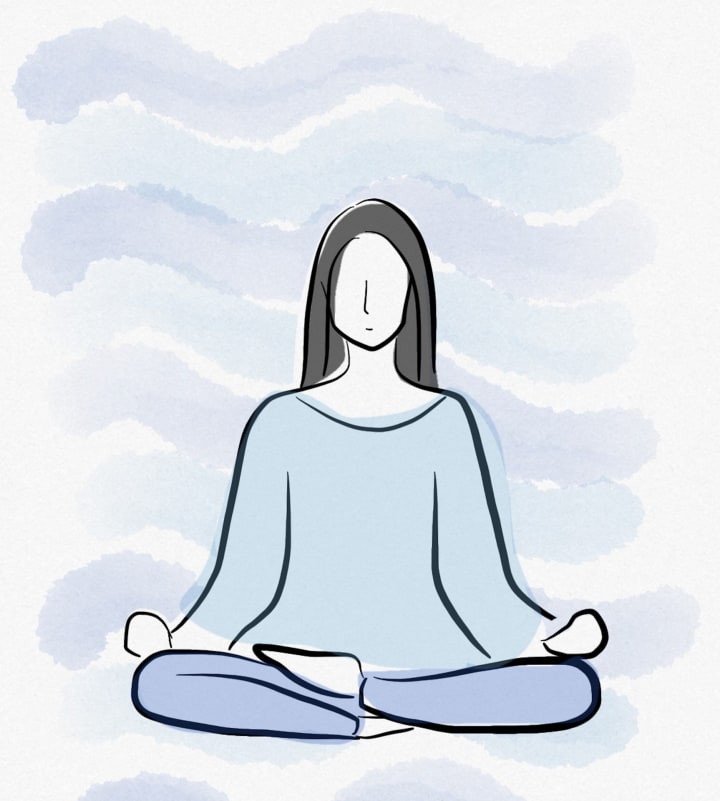
1. Practice mindfulness: Mindfulness is the practice of being present and aware of one's thoughts, feelings, and surroundings. Mindfulness can help reduce stress and anxiety by helping people focus on the present moment instead of worrying about the future or dwelling on the past. Mindfulness can be practiced through meditation, yoga, or simply taking a few deep breaths and focusing on the present moment.
2. Stay connected with others: The pandemic has led to increased isolation, which can be detrimental to mental health. Staying connected with others can help reduce feelings of loneliness and isolation. This can be done through phone calls, video chats, or social media. It is important to reach out to friends and family members who may be struggling during the pandemic.
3. Maintain a routine: The pandemic has disrupted people's daily routines, which can be stressful. Maintaining a routine can help provide a sense of structure and stability. This can include waking up and going to bed at the same time every day, scheduling meals and exercise, and setting aside time for relaxation and self-care.
4. Limit exposure to news and social media: The constant stream of news and social media updates about the pandemic can be overwhelming and increase feelings of stress and anxiety. It is important to limit exposure to news and social media and to focus on reliable sources of information.
5. Practice self-care: Self-care is important for maintaining mental and physical health. This can include exercise, healthy eating, getting enough sleep, and engaging in activities that bring joy and relaxation. It is important to make time for self-care and to prioritize it as a part of daily life.
6. Seek professional help: If stress and anxiety become overwhelming, it may be necessary to seek professional help. Many mental health providers are offering telehealth services during the pandemic, which allows people to access mental health services from the comfort of their own homes. It is important to reach out for help if needed.

Conclusion
The COVID-19 pandemic has had a significant impact on mental health. The stress and anxiety associated with the pandemic have affected people of all ages, genders, and backgrounds. It is important for individuals to recognize the impact that the pandemic may be having on their mental health and to take proactive steps to manage stress and anxiety.
Coping mechanisms such as mindfulness, staying connected with others, maintaining a routine, limiting exposure to news and social media, practicing self-care, and seeking professional help are all important tools for managing stress and anxiety during the pandemic. By prioritizing mental health and utilizing these coping mechanisms, individuals can improve their overall well-being and navigate the challenges of the pandemic more effectively.
It is also important for policymakers and healthcare providers to recognize the impact that the pandemic has had on mental health and to prioritize mental health services and resources. The pandemic has highlighted the need for accessible and affordable mental health services, and it is crucial for policymakers to prioritize mental health in their response to the pandemic and beyond.
In conclusion, the COVID-19 pandemic has had a profound impact on mental health, but there are coping mechanisms and resources available to help manage stress and anxiety. By prioritizing mental health and utilizing these tools, individuals can improve their overall well-being and navigate the challenges of the pandemic more effectively.
About the Creator
Keep reading
More stories from Abhishek Sharma and writers in Education and other communities.
The Psychological Benefits of Travel and Exploration
Introduction: Traveling and exploration are an essential part of human life, as it provides a much-needed break from the mundane routine and adds excitement and adventure. While the physical benefits of traveling are well-known, what many people do not realize is the significant psychological benefits that travel and exploration have to offer. In this article, we will discuss the psychological benefits of travel and exploration that will inspire you to take the leap and explore the world.
By Abhishek Sharma3 years ago in Education
Is Gravity a Force or an Illusion?
Gravity in Everyday Experience In daily life, gravity feels unquestionably real. When you drop an object, it accelerates downward. When you jump, gravity pulls you back to Earth. These experiences suggest a force acting continuously on matter.
By shahkar jalal2 days ago in Education
The Blue Frontier How Norway Aquaculture Revolution is Feeding the World in 2026
Norway, a nation defined by its jagged fjords and deep, icy waters, has long been the global benchmark for seafood. However, as we stand in 2026, the Norwegian aquaculture industry has moved far beyond traditional fish farming. It has transformed into a high-tech, data-driven "Blue Frontier" that combines marine biology with aerospace-grade engineering and advanced Artificial Intelligence. Facing the dual challenges of climate change and a growing global population, Norway has pivoted toward a "Sustainable Sovereignty" model. This isn't just about producing millions of tons of salmon; it’s about creating a circular, ethical, and technologically superior food system that can survive the pressures of the 21st century.
By Neeraj kumar3 days ago in Education


Comments
There are no comments for this story
Be the first to respond and start the conversation.