
The Hidden Impact of School Cancellations on Families
School cancellations are more than just an unexpected day off. For many families, they bring a mix of relief, frustration, and worry.

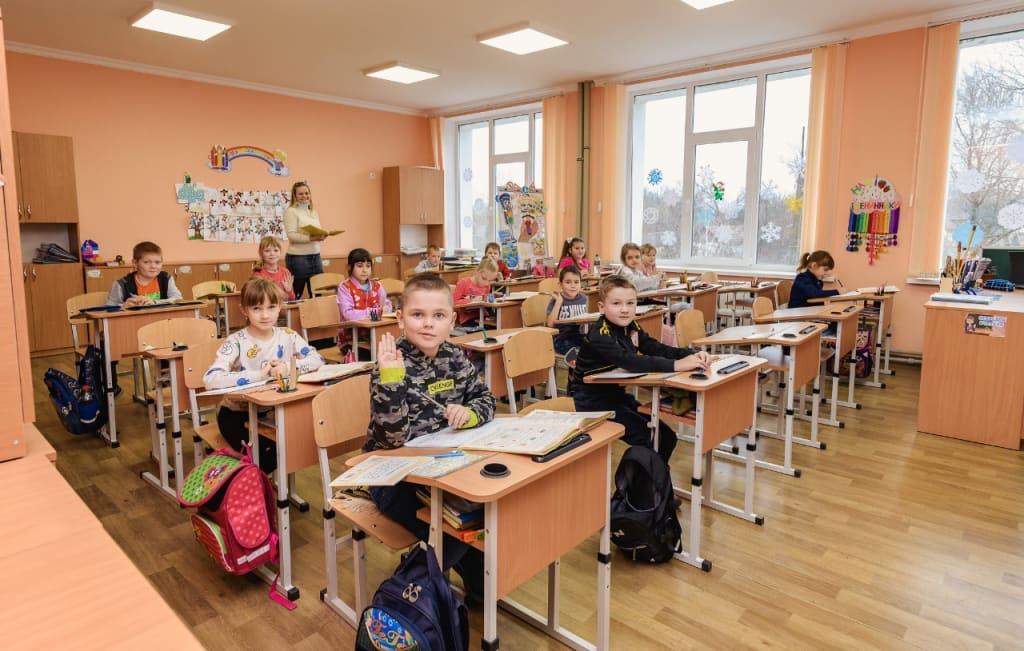
School cancellations are more than just an unexpected day off. For many families, they bring a mix of relief, frustration, and worry. Parents scramble to rearrange schedules, children feel the sudden shift in routine, and the quiet hum of an empty school can feel both eerie and unsettling. Beyond the immediate inconvenience, these cancellations can ripple through academic progress, social development, and mental health. While some view them as a small pause in daily life, the effects are often deeper and more lasting. Understanding these impacts can help families, educators, and communities navigate the challenges school cancellations bring and find ways to cope more effectively.
How Weather Drives School Cancellations
Weather is the most common reason schools close. Snowstorms, heavy rain, or extreme heat can make travel unsafe for students and staff. In northern regions, snow days are almost expected during winter, while southern areas might face closures due to hurricanes or flooding.
The sudden disruption can be challenging for families who rely on school schedules for work and childcare. For students, missing a day might mean falling behind on lessons, especially in subjects that build on previous knowledge. Even a single missed day in math or language classes can create gaps that take time to fill.
The Emotional Toll on Students
Children often experience school cancellations differently depending on their personality. Some feel relief, enjoying an unexpected break from routine. Others might feel anxious, missing the structure and social interaction that school provides.
For younger children, consistency is comforting. Repeated cancellations can create confusion about expectations and routines. Older students may worry about assignments or exams, adding stress to what should be a carefree day. Teachers notice that after multiple cancellations, students can feel disconnected, making it harder to re-engage once classes resume.
Challenges for Parents and Guardians
School cancellations often place a sudden burden on parents and guardians. Work schedules may need to be rearranged, childcare arranged, or even a parent may need to take the day off. For single parents or families without flexible work options, these disruptions can feel overwhelming.
Some parents use the time for bonding activities, like reading together, cooking, or outdoor play. Others struggle to balance professional responsibilities with caring for children at home. Understanding these struggles highlights that school cancellations are not just a logistical challenge but an emotional and practical one as well.
Academic Consequences
Frequent school cancellations can affect academic progress, especially in subjects that rely on consistent learning. Teachers may need to adjust lesson plans, skip content, or rush through material to stay on track.
For students preparing for important exams, every missed day counts. The challenge is not just catching up on homework but regaining the rhythm of learning. Strategies like reviewing lessons at home, online resources, or small group study sessions can help, but these solutions require effort and planning that not all families can manage easily.
Social Effects on Children
School is more than a place for learning; it is a space for social growth. Friendships, teamwork, and everyday interactions shape children’s social skills. When schools close unexpectedly, students miss these interactions.
Even a short period away from peers can lead to feelings of isolation. For children who rely on school for social support or a sense of belonging, cancellations can heighten anxiety or sadness. Maintaining contact with friends through calls or safe outdoor play can help, but it often does not fully replace the daily connection provided by school.
Coping Strategies for Families
Families can take several approaches to manage school cancellations. Planning flexible activities that keep children engaged is important. Reading, creative projects, and educational games can maintain learning without feeling like formal schoolwork.
Communication is also key. Talking with children about why school is closed and acknowledging their feelings helps them feel understood and less anxious. For parents, sharing responsibilities with family members or trusted friends can reduce stress and maintain a sense of stability.
Community and School Support
Some schools provide resources to ease the impact of cancellations. Online lesson plans, activity packets, or suggested reading lists give families ways to keep learning moving. Community centers and local organizations sometimes offer childcare or enrichment activities during extended closures.
These supports can make a significant difference, especially for families struggling to balance work and childcare. Building connections with teachers and other parents creates a support network that can help everyone navigate unexpected closures with less stress.
Long-Term Considerations
Repeated school cancellations may influence long-term learning and social development. Students who miss many days may experience delays in key skills or struggle with maintaining consistent study habits. Teachers often need to adjust pacing, which can affect the flow of the school year.
For families, learning to anticipate and plan for cancellations can reduce stress. Keeping a flexible approach, maintaining communication, and creating small routines at home can help children adapt more smoothly. Over time, this preparedness can turn a disruptive day into an opportunity for learning and bonding.
Balancing Work, Home, and Education
Parents face the ongoing challenge of balancing professional obligations with childcare during cancellations. Many workplaces now offer flexible hours or remote options, which can ease the strain. Still, the unpredictability of school closures requires creative solutions, such as setting up small study spaces at home or organizing shared childcare with neighbors or relatives.
Consistency is valuable for children, but it does not have to mirror a full school day. Short, focused learning sessions interspersed with breaks, outdoor time, and family activities can maintain engagement without overwhelming anyone.
Mental Health Implications
Both children and adults may experience increased stress during school cancellations. For children, missing friends and routine can create anxiety. Parents may feel pressure to manage work, childcare, and household responsibilities simultaneously.
Small strategies can make a difference. Maintaining routines, offering reassurance, and encouraging physical activity all support emotional well-being. Even simple actions, like keeping regular meal times or scheduling short outdoor walks, provide stability and help manage stress.
Finding Silver Linings
Despite the challenges, school cancellations sometimes offer unexpected benefits. Families may spend more time together, explore hobbies, or enjoy outdoor activities they might otherwise neglect. Children often discover new interests or ways to learn independently.
These moments can foster resilience and creativity. While cancellations disrupt routine, they also create space for connection, reflection, and learning outside the classroom. Recognizing these opportunities can shift the focus from frustration to possibility.
Preparing for Future Cancellations
Preparation can reduce the stress of future closures. Families can keep an emergency plan, including childcare options, quick educational activities, and ways to communicate with teachers. Schools can develop clear communication channels and resources for at-home learning.
Anticipating the potential for disruption allows families to respond calmly and maintain some sense of normalcy. Over time, these strategies make school cancellations less disruptive and more manageable.
Conclusion
School cancellations are more than a pause in education. They affect students’ learning, emotional well-being, and social lives, while placing unexpected pressures on parents and guardians. Recognizing these challenges and preparing for them can make a significant difference.
By finding ways to maintain learning, support emotional health, and create family routines, the impact of cancellations can be softened. While they are often unpredictable, these moments also offer opportunities for connection, creativity, and growth. Understanding and planning for school cancellations helps families face them with patience, resilience, and care.
About the Creator
Muqadas khan
Hi! Welcome to my Vocal page. I’ll be sharing fresh articles every day covering stories, ideas, and a bit of inspiration to brighten your feed. Thanks for reading and supporting daily writing! 📖💫
Keep reading
More stories from Muqadas khan and writers in Education and other communities.
When School Closings and Delays Change a Child’s World
School closings and delays often seem like small updates in the morning news, but for many families, they shift the entire rhythm of a day. A single announcement can bring relief, stress, or unexpected warmth. It depends on the home, the weather outside, and the stories unfolding behind each door. When I think about those slow mornings from my own childhood, I remember the sound of the radio, the crunch of snow outside, and the quiet hope that maybe school would start late. But I also remember my mother pacing the kitchen, wondering how she would rearrange her long list of responsibilities. This article explores how school closings and delays affect children, parents, teachers, and the deeper emotional currents beneath these simple announcements.
By Muqadas khan2 months ago in Education
Avoiding Common Counterfeit U.S. Coins: Expert Tips from Laura Bennett
Expert Guide to Spotting Fake U.S. Coins I’ve handled tens of thousands of coins in my career, and that moment of doubt—the gut feeling something isn’t right—is something every collector experiences. That feeling isn't a weakness; it's your best line of defense. This guide is your toolkit to turn that doubt into decisive action. I’ll share the same systematic approach I use to separate the real treasures from the clever fakes, so you can build your collection with confidence.
By Laura Bennett6 days ago in Education



Comments
There are no comments for this story
Be the first to respond and start the conversation.