
The Golden Bird of the 17th Century
India’s Lost Prosperity.
Introduction.
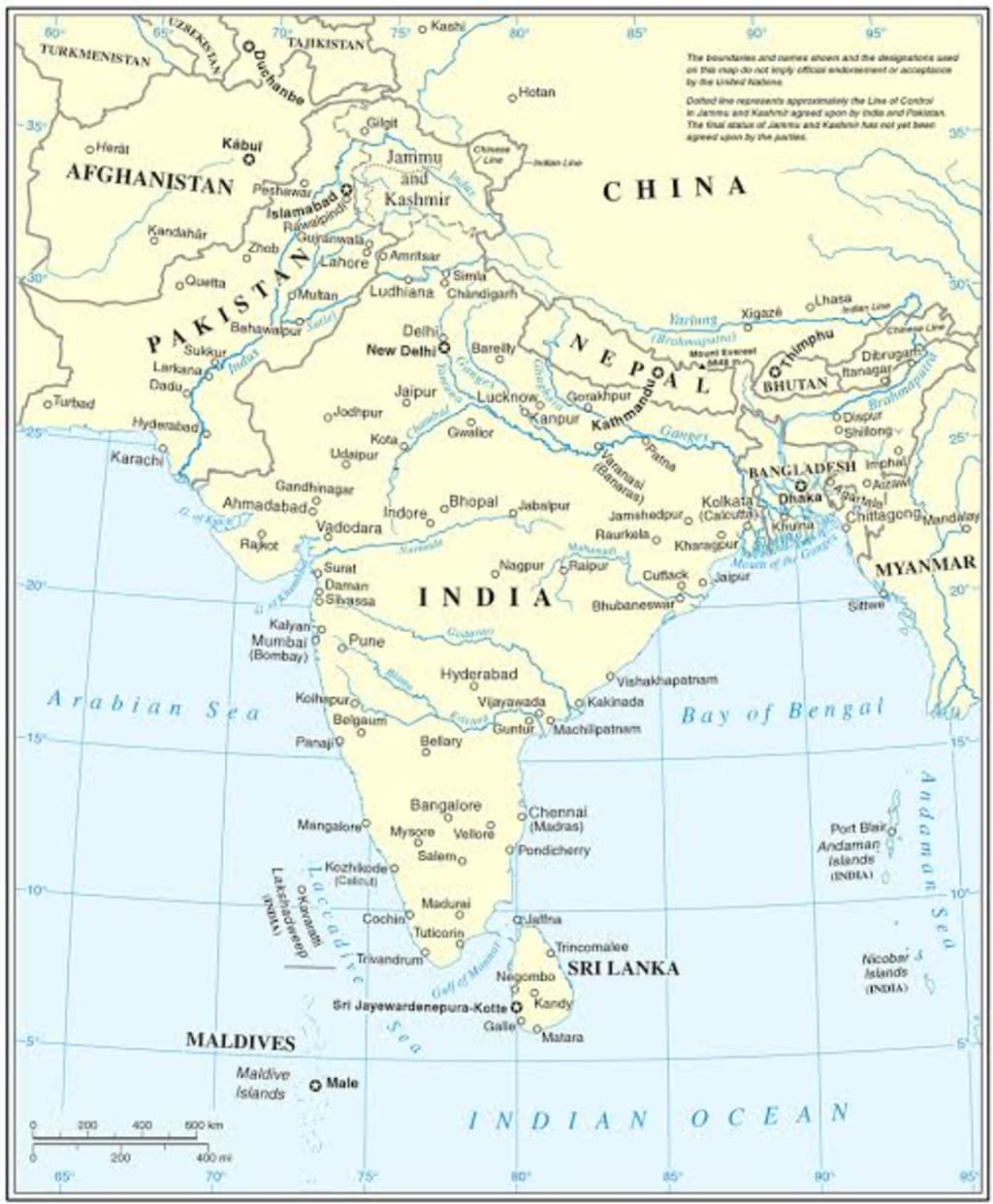
In the 17th century. India was famously called the Golden Bird due to its immense wealth and prosperity. It was one of the richest civilizations in the world. contributing nearly 25 of the global GDP. The country was a hub of trade. culture. and advanced knowledge. However. over the next two centuries. this glory faded due to foreign invasions. exploitation. and colonial rule. This article explores India’s golden era and the tragic reasons behind its downfall.
India as the Golden Bird.
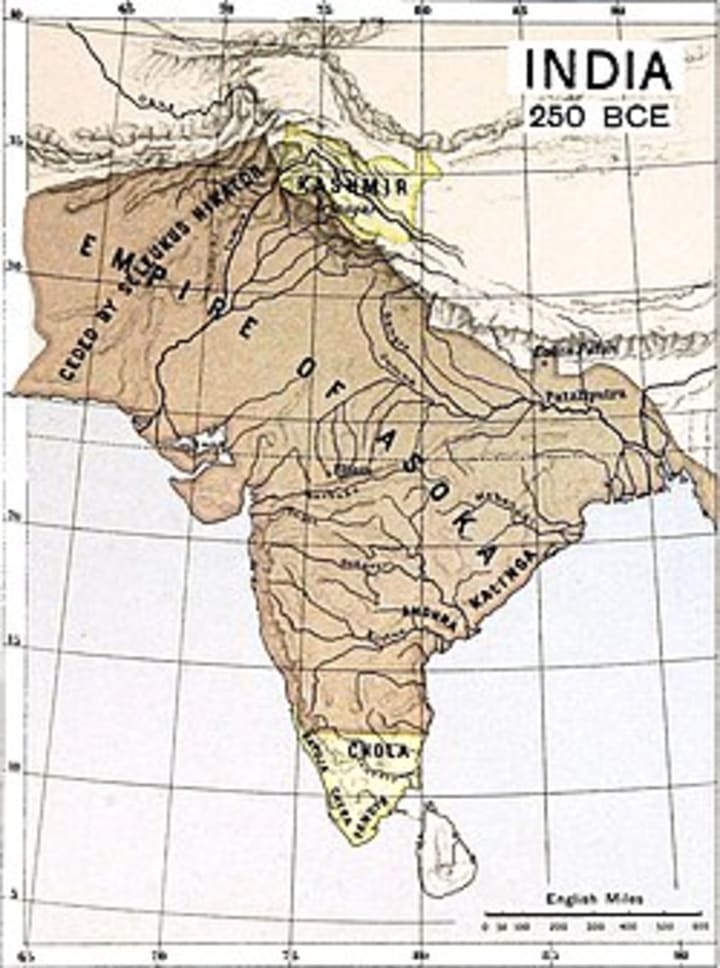
India’s prosperity during the 17th century was unmatched. The Mughal Empire was at its peak. ruling vast territories with efficient administration. Other powerful kingdoms. such as the Marathas. Rajputs. and Vijayanagara. also contributed to India’s wealth. The country was admired globally for its riches. attracting traders and invaders alike.
1. Economic Prosperity.
India was the world’s largest economy before British colonization. The country dominated global trade. exporting fine textiles. spices. indigo. and precious stones. Cities like Surat. Delhi. Agra. and Hyderabad were bustling commercial centers. The Bengal Subah alone was wealthier than many European nations.

2. Agricultural Abundance.
India’s fertile lands produced surplus grains. cotton. and sugarcane. Advanced irrigation systems. such as canals and stepwells. supported high agricultural yields. Farmers enjoyed fair taxation under rulers like Akbar. who promoted welfare policies.
3. Cultural and Scientific Advancements.
The Mughals built architectural marvels like the Taj Mahal. Red Fort. and Fatehpur Sikri. Scholars in mathematics. astronomy. and medicine made groundbreaking contributions. Ayurveda and metallurgy were highly advanced. India was a land of knowledge. attracting scholars from across the world.
r
4. Thriving Trade Networks.
India was the center of global trade. connected through the Silk Route and Indian Ocean trade. European powers. including the Portuguese. Dutch. French. and British. competed for access to Indian goods. The demand for Indian textiles. especially muslin and silk. was unmatched.

The Destruction of the Golden Bird.
India’s decline began with the arrival of European colonial powers. particularly the British East India Company. Over time. systematic exploitation drained India’s wealth and crippled its economy.
1. British Colonial Exploitation.
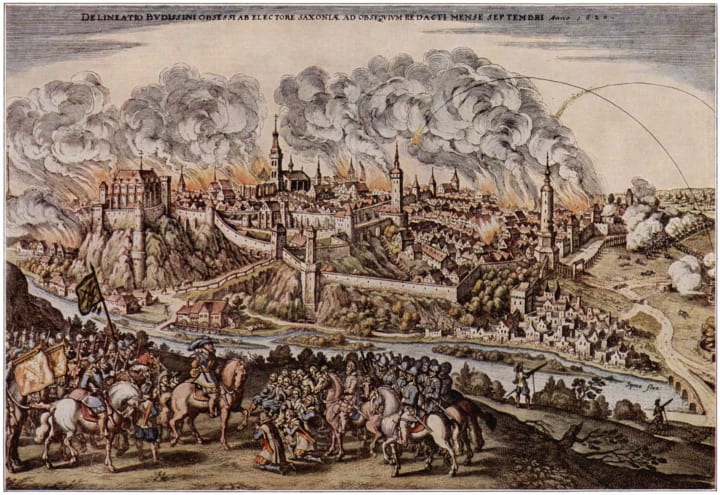
After winning the Battle of Plassey. the British East India Company took control of Bengal. They imposed heavy taxes on farmers and artisans. Indian rulers were forced to pay huge tributes. leading to economic collapse.
2. Drain of Wealth.
India’s riches were systematically looted and sent to Britain. Gold. jewels. and raw materials were shipped to fuel the British Industrial Revolution. Historians estimate that 45 trillion was drained from India during colonial rule.
3. Destruction of Indian Industries.
The British deliberately destroyed India’s textile industry to promote their own machine-made goods. Indian weavers. once world-renowned. were forced into poverty. Traditional crafts like handloom weaving. metalwork. and dyeing declined rapidly.
4. Devastating Famines.
Under British rule. 35 million Indians died in famines. Policies like forced cash-crop cultivation and excessive taxation worsened food shortages. The Great Bengal Famine killed 10 million people. while British officials continued exporting grain.
5. Cultural and Educational Decline.
Ancient Indian education systems were replaced by British-style schooling. Traditional knowledge in Ayurveda. astronomy. and metallurgy was suppressed. India’s intellectual heritage suffered as Western education was imposed.
Conclusion.
The story of India’s Golden Bird is a tale of glory and tragedy. Once the wealthiest civilization. India was reduced to poverty under colonial rule. The loot of resources. destruction of industries. and exploitation of people left deep scars. Even after independence in 1947. India struggled to recover. Today. the legacy of the Golden Bird serves as a reminder of India’s lost prosperity and resilience. The lessons from this era remain crucial in understanding the impact of colonialism on the world.
About the Creator
Most Sales Deals Fail Because Sellers Talk to the Wrong People
There is a quiet reason many sales conversations feel productive but go nowhere. Everyone leaves the call optimistic. Emails move back and forth. Documents get shared. Then momentum fades. Weeks pass. The deal stalls without a clear explanation.
By Armi Ponsica6 days ago in Education


Comments
There are no comments for this story
Be the first to respond and start the conversation.