
The End of Antibiotics: Are We Creating a World Where Scratches Kill?
Experts warn the post-antibiotic era isn’t coming, it’s already here.

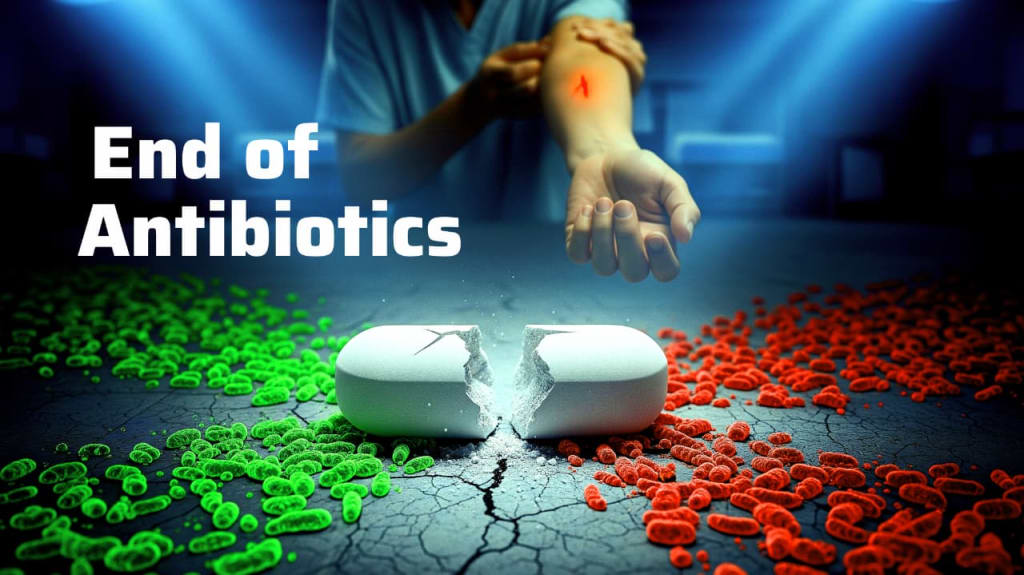
The Coming Storm: Life After Antibiotics
Imagine a world where a small cut on your finger could kill you. A world where routine surgeries, like removing an appendix or delivering a baby, become life-threatening. A world where even the strongest medicines no longer work against infections.
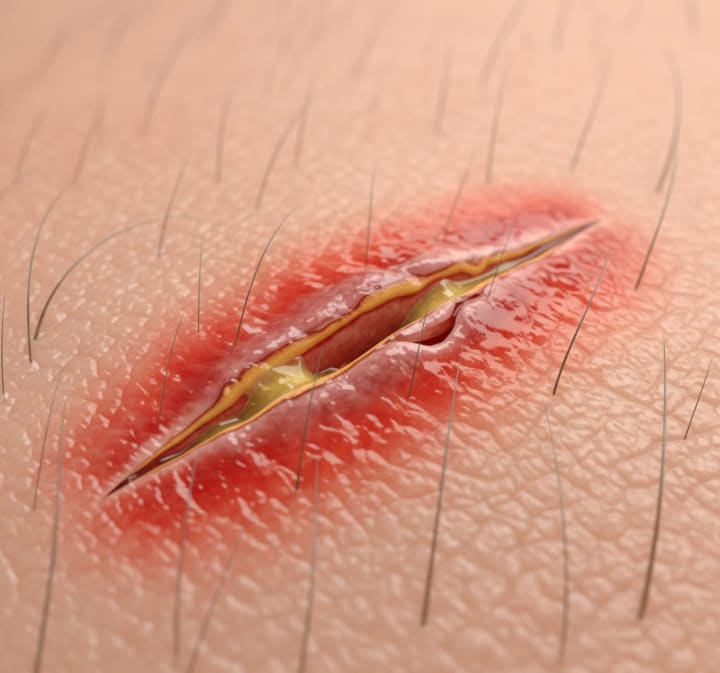
This isn’t science fiction. Experts call it the post-antibiotic era, and the World Health Organization (WHO) warns we are dangerously close to it. The problem is driven by antimicrobial resistance (AMR) when bacteria evolve ways to survive the very drugs designed to kill them.
How Did We Get Here?
The roots of this crisis lie in the misuse and overuse of antibiotics.
- In humans: Antibiotics are often prescribed for viral illnesses like colds and flu, even though they don’t work on viruses. In 30-50% of cases, these drugs are given when they aren’t needed or patients stop taking them too early. This gives bacteria the perfect chance to adapt, survive, and spread resistance.
- In agriculture: A staggering 80% of antibiotics in the U.S. are used on farm animals, not just to treat sickness but to make them grow faster. These drugs enter our food, water, and soil, creating breeding grounds for resistant bacteria.

- Globally: Poor sanitation, lack of clean water, and weak healthcare systems speed up the problem, especially in low-income countries. Alarmingly, resistance can appear just a few years after a new drug is introduced.
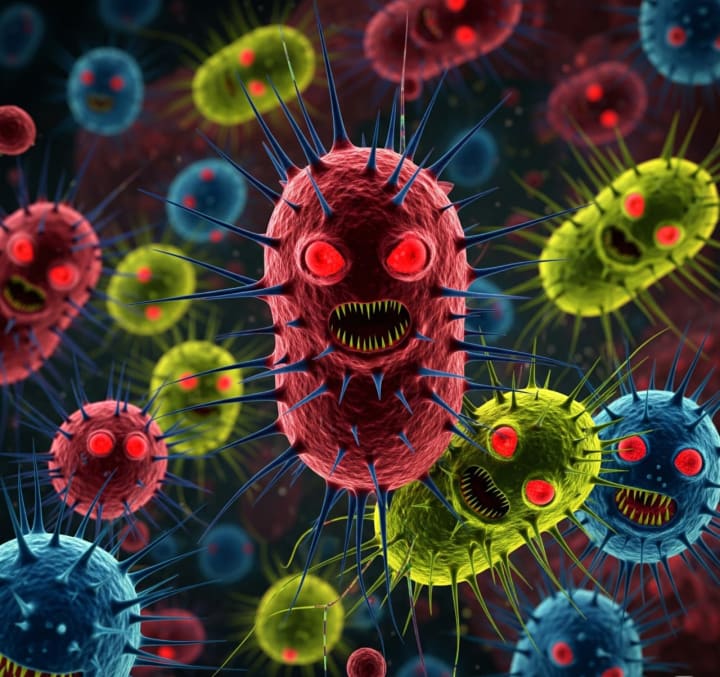
Through genetic changes and sharing resistance traits with each other, bacteria have created “superbugs” like MRSA (methicillin-resistant Staphylococcus aureus) and CRE (carbapenem-resistant Enterobacteriaceae).
The Human Cost
The numbers are shocking.
- In 2019, AMR directly caused 1.27 million deaths and played a role in nearly 5 million more.
- If left unchecked, it could kill 10 million people per year by 2050 more than cancer.
- The economic toll could reach trillions of dollars, strain healthcare systems and slowing global growth.
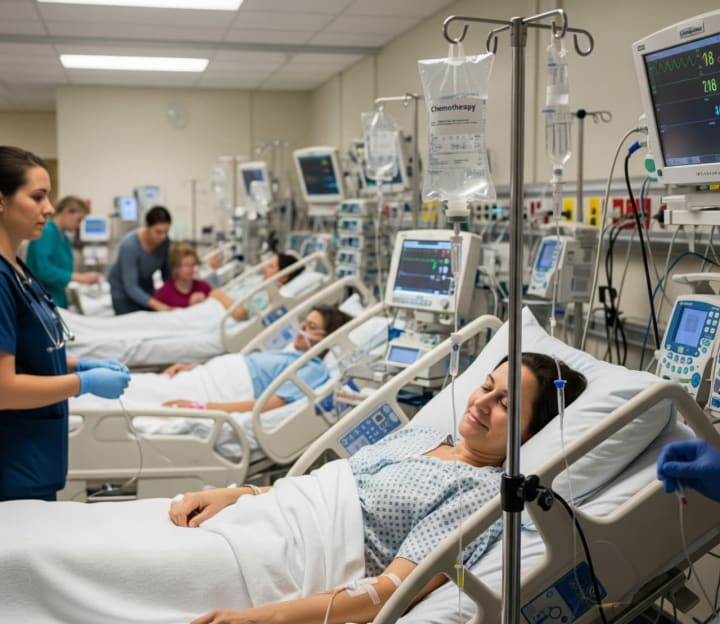
Modern medicine relies heavily on antibiotics. Cancer chemotherapy, organ transplants, and even C-sections depend on them to prevent infections. Without effective drugs, these procedures could become too risky. Already, MRSA kills more than 11,000 people in the U.S. each year. Drug-resistant tuberculosis requires painful, months-long treatments, and in many poor countries, children die simply because the antibiotics that could save them no longer work.
Is There Any Hope?
Thankfully, all is not lost. Around the world, scientists and doctors are working on solutions:
Smarter use of antibiotics: Programs called antimicrobial stewardship help doctors prescribe drugs only when truly needed, following WHO’s guidelines.
One Health approach: Recognizing that human, animal, and environmental health are linked, this strategy tackles resistance across all fronts.
Phage therapy: Viruses that naturally attack bacteria, called bacteriophages, are being revived as treatments. With help from artificial intelligence, scientists are finding ways to match phages to the right infections. Recent trials showed 77% of patients improved with phage treatment.
Vaccines and prevention: good hygiene, breastfeeding, and stronger vaccination campaigns can stop infections before they start. For example, breastfeeding reduces resistant E. coli infections in infants by 60%.
New drugs and regulations: Governments are pushing companies to develop fresh antibiotics through faster approval pathways and financial incentives.
A Call to Action
The fight against AMR isn’t just about medicine it’s about survival. The 2024 United Nations High-Level Meeting on AMR called for urgent global cooperation. But rules and policies only work if people, communities, and nations take them seriously. We are not doomed yet, but we are running out of time. If the world acts now using antibiotics wisely, supporting new research, and strengthening public health we can preserve these life-saving drugs.
Otherwise, the post-antibiotic world isn’t a question of if. It’s only a question of when.
About the Creator
Muzamil khan
🔬✨ I simplify science & tech, turning complex ideas into engaging reads. 📚 Sometimes, I weave short stories that spark curiosity & imagination. 🚀💡 Facts meet creativity here!
Keep reading
More stories from Muzamil khan and writers in Education and other communities.
The fungus that turns ants into zombies
Imagine walking through a rainforest and spotting an ant clamped tightly to a leaf, motionless and lifeless, with a strange stalk growing out of its head. It looks like something from a horror movie, but it’s real. This chilling scene is the work of Ophiocordyceps unilateralis, also known as the “zombie-ant fungus.”
By Muzamil khan5 months ago in Education
Why Great Customer Service Is Non-Negotiable for Modern Businesses
Excellent customer service is no longer something businesses can choose to offer later. It is a basic requirement in today’s fast-moving market. Customers expect respect, clear communication, and fast solutions. When they do not get these things, they leave. This is why excellent customer service is non-negotiable for businesses that want to survive and grow.
By Apex Service Partners5 days ago in Education


Comments
There are no comments for this story
Be the first to respond and start the conversation.