
The fungus that turns ants into zombies
Chilling Science Behind Ophiocordyceps Unilateralis and Its Grip on the Insect World

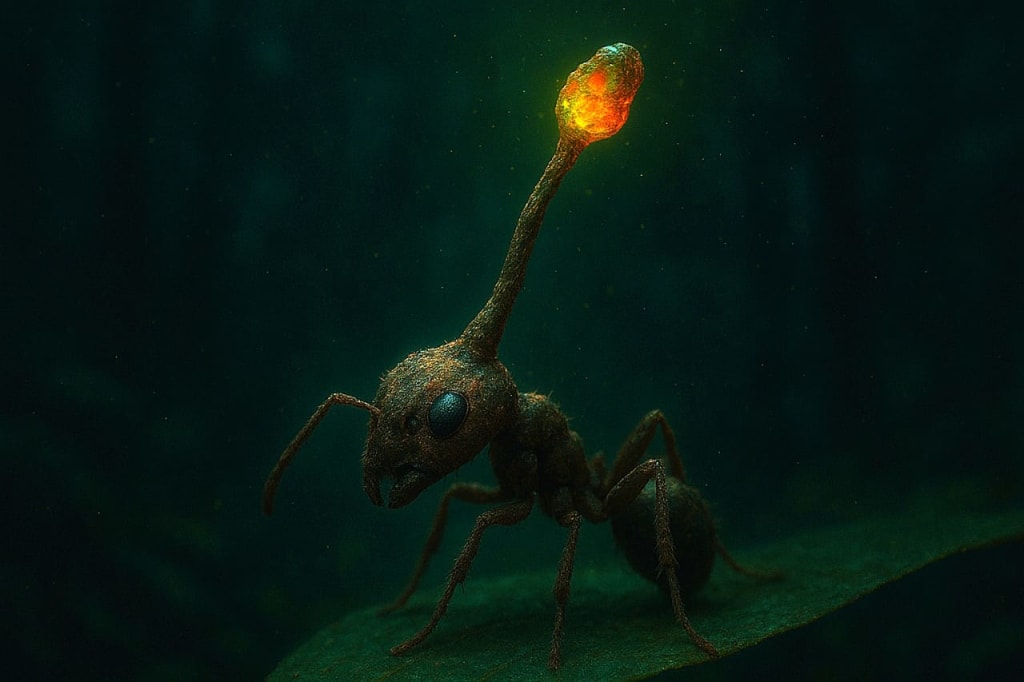
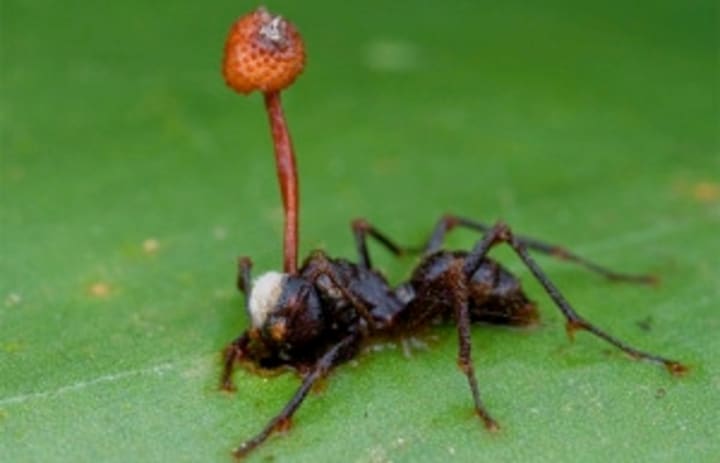
Imagine walking through a rainforest and spotting an ant clamped tightly to a leaf, motionless and lifeless, with a strange stalk growing out of its head. It looks like something from a horror movie, but it’s real. This chilling scene is the work of Ophiocordyceps unilateralis, also known as the “zombie-ant fungus.”
First discovered in Indonesia by naturalist Alfred Russel Wallace in 1859, this fungus has been found in tropical and warm forests around the world from South America to Asia. Its ability to control the behavior of ants before killing them has fascinated scientists and storytellers alike.
How the Infection Begins
The fungus starts its life as a tiny spore lying in wait on the forest floor. When a carpenter ant from the genus Camponotus walks by, the spore latches onto its tough outer shell. Using enzymes and brute force, it pushes its way inside the ant’s body.
At first, nothing seems wrong. The infected ant continues its daily duties in the colony, completely unaware of the silent invader multiplying inside. This “stealth phase” is clever by keeping the ant alive and acting normal, the fungus avoids detection from other ants that might otherwise remove or kill an infected member.
Taking Control of the Ant
Once the fungus has grown strong enough, it begins its gruesome manipulation. Chemicals released by the fungus start interfering with the ant’s nervous system. The ant abandons its normal behavior, leaves its colony, and begins wandering erratically. Eventually, it climbs to a very specific spot: about 25 centimeters above the ground, usually on the north side of a plant, in a humid and shaded area. This precise location is perfect for the fungus to thrive. Here, the ant performs its final act. It bites down on a leaf vein with its jaws in what scientists call the “death grip.” The fungus ensures the ant stays locked in place by breaking down its muscles and building a scaffold to keep the jaws shut, even after death.
The Final Transformation
A few days later, the fungus bursts out of the ant’s body. From its head grows a long stalk that releases new spores into the air. These spores fall onto the forest floor, ready to infect more ants below. Over time, these infection sites can turn into eerie “graveyards,” with dozens of dead ants clinging to leaves, each serving as a launchpad for new fungal spores.
Nature’s Balance
Interestingly, Ophiocordyceps unilateralis doesn’t infect just any insect. Each type of cordyceps fungus specializes in a particular host, which prevents it from wiping out entire species. Ants have also developed defenses, such as grooming each other to remove spores and isolating sick individuals to protect the colony. Even the fungus itself isn’t safe there are “hyperparasitic” fungi that attack O. unilateralis, reducing the number of spores that survive. This natural balance keeps both ant populations and the fungus in check.
Though terrifying, the zombie-ant fungus plays an important role in ecosystems by helping regulate insect populations. It has also sparked scientific curiosity. Researchers are exploring compounds produced by cordyceps fungi for potential medical uses, including treatments for cancer and malaria. Fossils suggest that these fungi have been manipulating insects for at least 48 million years, proving how deeply they are woven into Earth’s history.
From Nature to Pop Culture
Beyond science, this fungus has inspired fiction. It became the basis for the zombie apocalypse in The Last of Us video game and HBO series, where a mutated version infects humans. Thankfully, in reality, humans are safe our body temperature and immune systems protect us from infection.
A Reminder of Evolution’s Creativity
The story of the zombie-ant fungus is a reminder of how strange and creative evolution can be. By turning ants into puppets, this tiny organism has found a way to survive and spread in one of the most bizarre strategies in nature.
It shows us that real life can sometimes be stranger and scarier than any horror story.
About the Creator
Muzamil khan
🔬✨ I simplify science & tech, turning complex ideas into engaging reads. 📚 Sometimes, I weave short stories that spark curiosity & imagination. 🚀💡 Facts meet creativity here!
Keep reading
More stories from Muzamil khan and writers in Education and other communities.
The Immortal Jellyfish: Nature’s Time Traveler
The Immortal Jellyfish: Nature’s Time Traveler Deep in the ocean, where countless creatures are born, live, and die, one tiny jellyfish has found a way to bend the rules of life itself. Turritopsis dohrnii, better known as the immortal jellyfish, has captured the imagination of scientists and nature lovers because of its ability to seemingly escape aging.
By Muzamil khan7 months ago in Education
The Seed Many People Throw Away and Why It’s Gaining Attention in Natural Wellness
When people eat papaya, most of them scoop out the seeds and throw them away without giving them a second thought. The soft orange fruit is loved for its sweet taste and refreshing texture, but the small black seeds inside are usually seen as useless waste. However, in recent years these tiny seeds have started to gain attention in the world of natural wellness. Many health enthusiasts and nutrition experts believe that papaya seeds may contain valuable nutrients and natural compounds that can support digestion, improve gut health, and even help protect the body from certain infections. Although they are small, papaya seeds have a surprisingly strong nutritional profile that has sparked growing interest among people looking for simple natural health remedies. What Makes Papaya Seeds Special? Papaya seeds may look small and insignificant, but they are packed with natural plant compounds that may benefit the body in several ways. They contain antioxidants, healthy fats, and enzymes that can support the body’s natural processes. One of the most notable components found in papaya seeds is an enzyme called papain. This enzyme helps break down proteins in food, which can support digestion and make it easier for the body to absorb nutrients. Because of this property, papaya itself is often recommended for people who experience digestive discomfort. The seeds also contain natural compounds believed to help the body fight harmful bacteria and support a balanced digestive system. Supporting Digestive Health One of the main reasons papaya seeds are gaining attention is their potential role in supporting digestive health. Many traditional wellness practices have used papaya seeds to help cleanse the digestive system. The enzymes in the seeds can assist the body in breaking down food more efficiently, which may reduce problems such as bloating, indigestion, and stomach discomfort. A healthier digestive system can also help the body absorb vitamins and minerals more effectively. In addition, the fiber found in papaya seeds may support regular bowel movements and help maintain a balanced gut environment. Natural Antioxidant Properties Papaya seeds also contain antioxidants, which are compounds that help protect the body from damage caused by harmful molecules known as free radicals. Free radicals can contribute to aging and various health problems when they accumulate in the body. Antioxidants help neutralize these molecules and support the body’s natural defense system. By including small amounts of papaya seeds in the diet, some people believe they can increase their intake of protective plant compounds that support overall health. Potential Immune Support Another reason papaya seeds are gaining attention is their potential ability to support the immune system. The natural compounds in these seeds may help the body fight certain harmful microorganisms. A strong immune system plays a key role in protecting the body from infections and illnesses. While papaya seeds are not a medical treatment, many people consider them a helpful addition to a balanced diet aimed at supporting immunity. Combined with other healthy habits such as proper nutrition, hydration, and regular exercise, natural foods like papaya seeds may contribute to overall well-being. How People Use Papaya Seeds Although papaya seeds have a slightly bitter and peppery taste, they can be used in several simple ways. Some people eat them raw directly from the fruit in small quantities. Others prefer to dry and grind the seeds into a powder that can be added to smoothies, salads, or salad dressings. Because of their strong flavor, only a small amount is usually needed. Many people start with just a few seeds at a time to see how their body reacts. Another popular method is blending the seeds with honey or fruit smoothies to balance the bitterness. Important Things to Keep in Mind While papaya seeds may offer potential health benefits, moderation is important. Eating large amounts may cause digestive discomfort because of their strong natural compounds. Pregnant women and people with certain medical conditions are often advised to consult a healthcare professional before consuming papaya seeds regularly. Like many natural foods, papaya seeds should be viewed as a supplement to a healthy lifestyle rather than a miracle cure. A Simple Ingredient With Growing Popularity In a world where people are increasingly interested in natural wellness and reducing food waste, papaya seeds are becoming more appreciated for their potential benefits. Instead of throwing them away, many people are now exploring ways to include these small seeds in their diets. Their digestive enzymes, antioxidants, and natural plant compounds have made them a topic of growing curiosity among health-conscious individuals. Sometimes the most valuable parts of food are the ones we overlook. Papaya seeds are a perfect example of how something small and often discarded can hold surprising nutritional potential. If you want, I can also rewrite it in a more viral “Facebook blog / BustedNews style” (the way those sites get millions of clicks).
By DigitalAddi5 days ago in Education



Comments (1)
Hi, I read your story and I really liked it. It seems like you are a professional writer because you give each scene its own unique value, which very few people manage to do. I really liked your work it was very, very good. Actually, I’m just a casual reader, and I really enjoy reading stories. and I liked it a lot, too. Also, how long have you been doing this work?