
The Changing Landscape of Movie Theaters Post-COVID
Redefining the Cinema Experience in a Digital Age

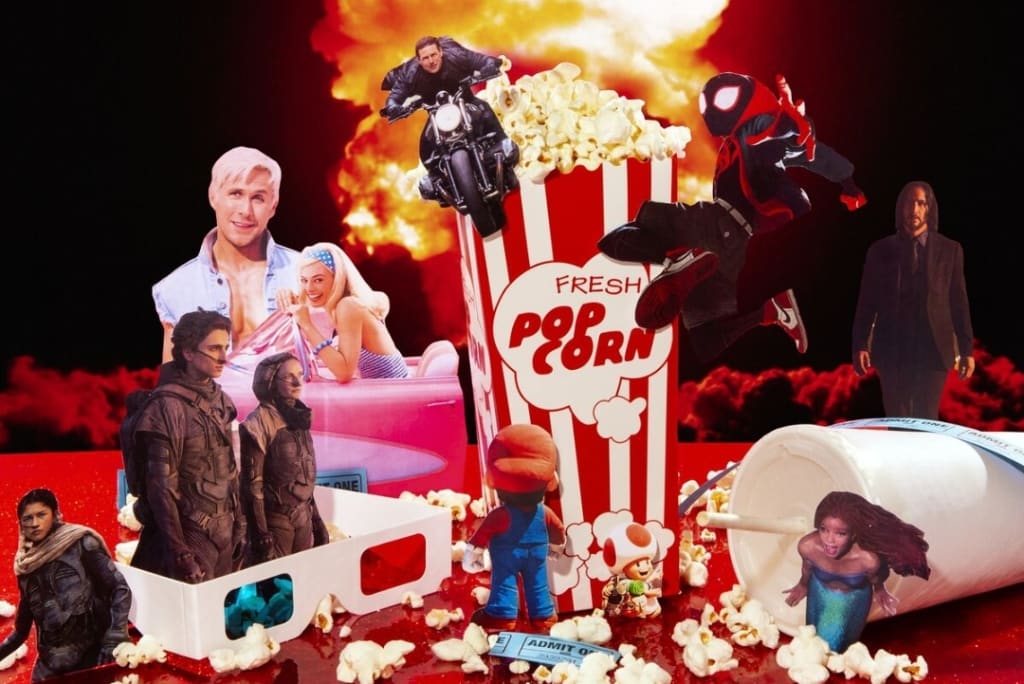
The COVID-19 pandemic dramatically disrupted industries worldwide, and the film industry was no exception. Movie theaters, which had been a staple of entertainment for over a century, faced unprecedented challenges.
Forced closures, social distancing measures, and public health concerns pushed the industry to the brink, leading to a rapid transformation of how movies are consumed. As we navigate the post-COVID landscape, the traditional movie theater experience is undergoing significant changes, driven by shifting consumer preferences, technological advancements, and industry adaptations.
During the height of the pandemic, theaters around the world were shuttered for months. With nowhere to go for entertainment, people turned to streaming services for their movie-watching needs. Platforms like Netflix, Disney+, Amazon Prime, and HBO Max saw exponential growth in subscribers.
This shift significantly altered consumer behavior, as audiences became accustomed to the convenience of watching new releases from the comfort of their homes. Even as theaters reopened, many people questioned whether the traditional theater experience was worth the effort and expense.
To compete with the convenience of streaming, movie theaters have had to adapt and innovate. One of the most noticeable changes is the emphasis on creating a premium movie-going experience.
Many theaters have invested in luxury seating, offering reclining chairs with ample legroom and even food and beverage service directly to seats. The goal is to make the theater experience more comfortable and enjoyable, offering something that streaming simply cannot replicate.
Additionally, theaters are focusing on enhancing the audiovisual experience. IMAX, Dolby Cinema, and 4DX screenings have become more prevalent, providing moviegoers with immersive sound and visuals that far surpass what can be achieved at home.
The emphasis on blockbuster films with high production value has also grown, as these movies are better suited to the theater experience. While intimate dramas and low-budget films may find a more natural home on streaming platforms, action-packed spectacles continue to draw audiences to theaters.
The post-COVID era has also seen a rise in hybrid release models, where movies are simultaneously released in theaters and on streaming platforms. This strategy emerged as a compromise during the pandemic when theaters were closed, but it has persisted even after reopening.
While some filmmakers and theater owners initially resisted this model, it has proven to be a viable option for reaching a broader audience. However, this approach has also sparked debates within the industry about the future of theatrical exclusivity and the impact on box office revenues.
The integration of technology has further transformed the movie theater landscape. Contactless ticketing and concession ordering have become the norm, reducing physical interactions and streamlining the customer experience.
Mobile apps now allow patrons to select seats, order snacks, and even receive notifications about special offers. These technological advancements have made the theater experience more convenient and user-friendly.
Another trend reshaping the industry is the diversification of content shown in theaters. Traditionally, theaters primarily focused on mainstream Hollywood releases. However, in the post-COVID landscape, many are exploring alternative content to fill seats.
This includes live broadcasts of concerts, sporting events, and even gaming tournaments. By offering a wider range of entertainment options, theaters can attract a more diverse audience and stay relevant in an increasingly competitive market.
Despite these changes, challenges remain. The financial impact of the pandemic has left many theater chains struggling to recover. Smaller independent theaters, in particular, have faced difficulties in maintaining operations.
Rising operational costs, coupled with fluctuating attendance, have put pressure on the industry. To stay afloat, some theaters have sought partnerships with streaming services or ventured into hosting private events and screenings.
Consumer behavior has also shifted in ways that are unlikely to reverse completely. The convenience of streaming has become deeply ingrained in modern life, and many people now view theaters as a special occasion rather than a regular outing. As a result, theaters must find ways to remain relevant and appealing in a landscape where audiences have more entertainment options than ever before.
In response to these challenges, some industry players are exploring innovative solutions. Subscription models, similar to those used by streaming services, have gained traction. Companies like AMC and Regal now offer movie passes that allow subscribers to watch multiple films per month for a flat fee. This approach aims to encourage repeat visits and foster a loyal customer base.
Furthermore, theaters are increasingly emphasizing community engagement. Special events, film festivals, and themed nights are becoming common ways to attract audiences. By creating a sense of community and offering unique experiences, theaters can differentiate themselves from streaming services and foster a deeper connection with their patrons.
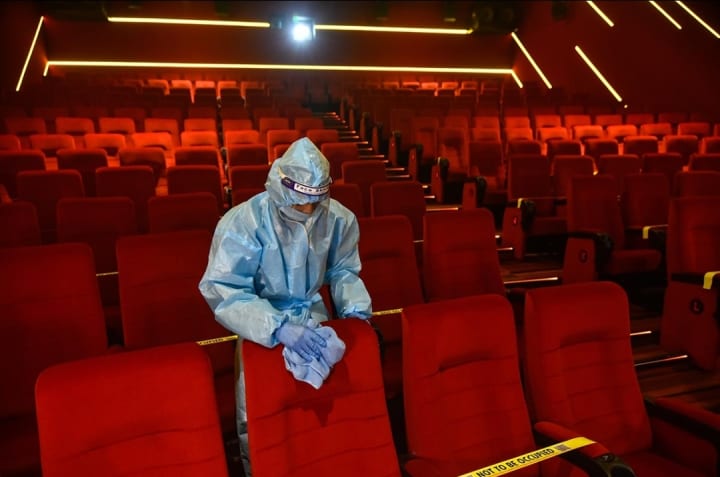
In conclusion, the movie theater industry is undergoing a significant transformation in the post-COVID era. While the pandemic presented unprecedented challenges, it also accelerated innovation and adaptation. Theaters are now focusing on creating premium experiences, integrating technology, diversifying content, and exploring new business models to remain competitive. As the landscape continues to evolve, the movie theater experience may never be exactly as it was before, but it has the potential to become even more dynamic and engaging for future generations. By embracing change and innovation, theaters can carve out a meaningful place in the entertainment ecosystem, even in the age of streaming.
About the Creator
Nora Ariana
Empowering through stories and sound igniting purpose, sparking growth, and awakening the power within.
Keep reading
More stories from Nora Ariana and writers in Education and other communities.
A goal is a dream with a deadline
A goal is a dream with a deadline. This powerful quote reminds us that without action, dreams remain just that wishes floating in our imagination. But when we set a timeline and commit to achieving them, they evolve into goals, bringing clarity, direction, and purpose. Many people go through life holding on to dreams, hoping they will come true someday. But someday is not a day on the calendar. Dreams without structure often fade with time or get buried under the weight of daily responsibilities. Turning a dream into a goal is what separates those who achieve from those who continue to wish.
By Nora ArianaExclusive • 9 months ago
Avoiding Common Counterfeit U.S. Coins: Expert Tips from Laura Bennett
Expert Guide to Spotting Fake U.S. Coins I’ve handled tens of thousands of coins in my career, and that moment of doubt—the gut feeling something isn’t right—is something every collector experiences. That feeling isn't a weakness; it's your best line of defense. This guide is your toolkit to turn that doubt into decisive action. I’ll share the same systematic approach I use to separate the real treasures from the clever fakes, so you can build your collection with confidence.
By Laura Bennett6 days ago in Education


Comments (1)
Covid is bad. I love the movies! Great work