book reviews
Book reviews for scholastic growth; read material from the world's top educators with our collection of novels, memoirs, biographies, philosophical texts and textbooks.
"Get Out" (2017)
Introduction: "Get Out," directed by Jordan Peele, took the world by storm upon its release in 2017. This groundbreaking horror film combines elements of suspense, social commentary, and psychological thriller to create a thought-provoking and chilling cinematic experience. Peele skillfully explores themes of racism and cultural appropriation, shedding light on deep-seated societal issues. In this review, we will delve into the film's narrative, performances, and its impact on the horror genre.
By FELIX Olikagu3 years ago in Education
"Interstellar" (2014)
Introduction: In the spellbinding science fiction film "Interstellar," directed by Christopher Nolan, viewers are taken on a journey through space and time. The movie, which was released in 2014, is not only visually stunning but also delves deeply into philosophical ideas. This review focuses on how "Interstellar" creates an unforgettable cinematic experience by fusing breath-taking visuals with challenging themes.
By FELIX Olikagu3 years ago in Education
"Eternal Sunshine of the Spotless Mind" (2004)
Introduction: "Eternal Sunshine of the Spotless Mind," directed by Michel Gondry and written by Charlie Kaufman, is a film that defies convention and takes viewers on a mesmerizing journey through the intricacies of memory, love, and human connection.
By FELIX Olikagu3 years ago in Education
Entrepreneurial Journey: Unlocking Business Success through 3 Must-Read Books
Embarking on an entrepreneurial journey can be both exhilarating and daunting. To navigate the complexities of starting and running a successful business, aspiring entrepreneurs need access to valuable resources that can provide guidance, inspiration, and practical insights. In this discussion, we will explore three essential books that offer transformative perspectives and actionable strategies for unlocking business success. These books serve as roadmaps, guiding entrepreneurs through the challenges they may encounter and equipping them with the knowledge and tools necessary to turn their entrepreneurial dreams into reality. Whether you're seeking to transform your business's financial health, explore alternative paths to entrepreneurship, or gain a comprehensive understanding of the essentials, these must-read books will serve as invaluable companions on your entrepreneurial journey
By Nathan Dryden3 years ago in Education
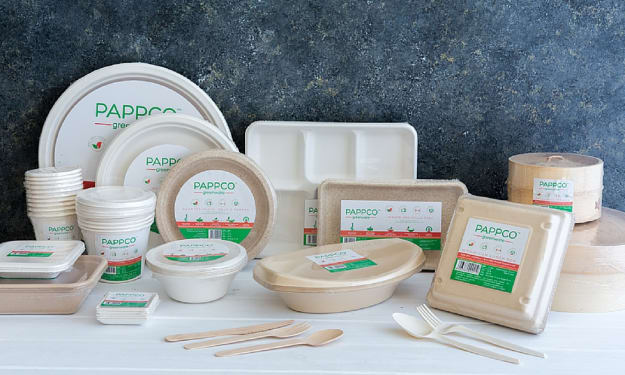
How Plates Made From Sugarcane Could Help India's Plastic Problem
We went to uttar pradesh, India, to see how chuck is making biodegradable tableware from worldwide waste polystyrene was discovered in 1839 and is 10 to 20 times lighter than the fluffiest meringue. It wasn't used for plates and packaging until more than a century later when fast food chains went global, but recycling has never caught up, as is evident across India where an amount of plastic equivalent to the weight of the Taj Mahal ends up in streetsfilling up without government oversight creating unsafe conditions that can lead to fires the idea behind chuck is to replace some of that plastic with biodegradable sugarcane waste india is the world's second largest producer of sugar making more than 25 million metric tons in 2020 and that means mountains of bagasse km sugar mill alone produces over 3 500 tons of it per day during the harvesting season [Music] most of this material will be burned to produce electricity it's a low pollution alternative to fossil fuels but it has other uses too we were told this is a very good fiber for molding for over 40 years veg krishna's family turned sugarcane waste into paper in a factory owned by his parents they named it yashpaka and their company slogan is packaging with the soul but the business ran into financial troubles and had to deal with faulty equipment we didn't know whether the company would run the next day or not what i realized was that all the work that i wanted to do was towards the ecology and environment ved went back to the drawing board he spent years experimenting with new ways to use bagas eventually we realized that you know we have sugarcane pulp and that can be molded into different products which can actually be used as placement for these styrofoam products and by 2017 the company was producing tableware products under a new brand chuck chuck was really good because of course it was about disposable you can chuck it it was also good with chak which is taste in hindi veg set up shop near sugar plantations and mills to keep costs and the carbon footprint low around 100 truckloads of bagas arrive at the chuck factory every day during peak harvest season it can take two hours to unload each truck if the material dries out the fiber loses strength so we have to keep it in wet piles workers then remove a layer of the tiniest fibers before washing and pressure cooking it same concept as you cook dal in your home the same way you cook you use a certain alkaline product to be able to remove the stickies you know if you think of a sugary product it's a little sticky the alkaline solution helps make it moldable workers wash the sludge again to remove any residual chemicals then they distribute it into different machines and molds that press it into shape squeezing out all the water other companies bleach their products but chuck decided against it we were told in the market indians don't like to eat in brown it has to be white but i said no if we are true to our basic idea that we want to be more ecologically sustainable then we have to stay with lesser and lesser chemicals chuck also sources a starch-based compostable packaging for its products instead of virgin plastic we of course realize that our whole ecosystem dna world revolves around the idea of leaving the earth cleaner so if that is the case and we package in plastic then we've defeated the purpose workers like shilwadi check the finished products for quality before counting and packaging it's me hybridizing high low breathing however missing the chuck factory can crank out one million individual items in a day and that's only half of what ved says is possible with the current setup we are still figuring out a lot of the technology by the time they reach consumers chuck products end up being about 20 percent more expensive than items made from plastic chuck's meal tray costs 10 rupees or 13 cents while a plastic tray costs around 8 rupees or 10 cents another reason chuck costs more ved insists on paying his staff a living wage i think we are very proud of having lots of local people more than that we are proud of having 50 women and they're amazing some women like shawwadi can make up to 10 000 rupees a month or 131 dollars that's nearly double the minimum wage in the state of uttar pradesh so far chuck hasn't turned a profit but the business continues to grow over 3 000 restaurants across india have used the company's tableware the pandemic was a major setback sales dropped by 70 percent if restaurants shut down we shut down so that's a challenge but we are trying to now change our model where we are also trying to go direct to customers so ved plans to set up an online store and make their products available in retail locations and he hopes to ramp up his business enough to support india's war on plastic starting in july the country will ban many plastic items including the kind of single-use food containers that chuck wants to replace so are products made from bagasse better for the environment probably chuck recommends leaving its products for 90 to 180 days in a backyard composting bin that maintains moisture and good oxygen flow but they can still harm the environment if they end up in a landfill where they won't decompose as fast plastic on the other hand never really goes away it just keeps breaking down into smaller and smaller particles ved is just one of many entrepreneurs around the world recycling waste into food containers and utensils lifepak in colombia makes compostable plates out of pineapple crowns in mexico bl fosse creates bioplastic cutlery out of avocado waste and in denmark a young innovator is making edible cutlery and bags out of potatoes and it will likely take all these companies and more to manage plastic waste now and into the future so i believe each of us can make a difference it's only a 70 year old challenge typically the plastics that we use the cheapest varieties last about 500 years so you can imagine that first bugger still has 430 years to go you.
By Peace Alber3 years ago in Education
The Importance of Choosing the Right Domain Name Registrar. Content Warning.
Introduction to Domain Name Registrars Domain name registrars are companies that allow individuals and organizations to register and manage domain names for their websites. They act as intermediaries between domain name owners and the central authority responsible for managing domain names. When you register a domain name, it essentially becomes your unique online identity.
By Taniya leone3 years ago in Education
"Relying on Relics: Russia's Deployment of Cold War Tanks in Ukraine's Conflict"
Prior to the war in Ukraine, it was estimated that Russia had approximately 12,420 tanks and 36,000 armored vehicles at its disposal. However, the actual numbers turned out to be different. Russia initiated the invasion with around 3,000 modern tanks, including T-72s, T-80s, and T-90s. As Ukraine prepared for its offensive against Russia, the Kremlin surprised many by deploying Cold War-era vehicles, some of which dated back to the 1940s. Over time, it became evident that Ukrainian forces, equipped with modern Western tanks and weapons, were overpowering the outdated Russian technology.
By RaisenTudu3 years ago in Education
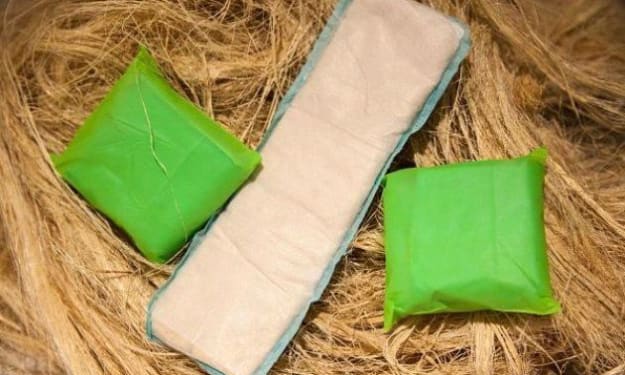
How Banana Plant Waste Is Turned Into Sanitary Pads in India
India develops a greater number of bananas than elsewhere on the planet yet about portion of each plant goes to squander one organization is transforming that loss into biodegradable sterile cushions that could be useful to additional individuals have more secure periods with dispensable plastic cushions on the ascent might banana at any point stem save the country from piles of rubbish we visited sati to perceive how it's utilizing overall waste softie began in 2015 only about a third of women in india had access to pads and that can mean more than just discomfort you're missing out on school or work for those five days every month and that sets you back i was proud to be an indian but also was assumed that we cannot provide something of basic necessity and Kristin kagetsu set out to help without creating more plastic trash and they found the answer in farm waste just one banana plant stem can yield up to 3 000 pads according to sathi the stocks only bear fruit once so after each harvest farmers clear the fields to make room for new growth chirag desai is a researcher looking for new ways to use these leftovers the farmers are dumping it on the roadside or canal side and it will create a huge environmental as well as social problems his team has turned banana plant fibers into fertilizer fabric and even candy the market is growing for such type of natural products he shared some of his knowledge with southeast founders they stay here for one week we gave them a good training basics how to estimate the fibers and all that [Music] the first step is to cut the stalks in half workers pull the halves apart layer by layer [Music] they feed these celery-like chunks into machines that leave just the stringy fibers behind wash the fibers and dry them on a line [Music] then they're ready for a second life the founders set up stations with machines like these around the country so local farmers can extract fibers from their own crop waste we have been closely working with 18 000 of them on regular basis where we have set up different extraction units sathy pays the farmers for the fibers giving additional income to farmers that's a first part of our circular economy farmers can also use the liquid from the stems as fertilizer at the sathy factory workers feed fibers into machines that cut them into shorter pieces the next step is turning those pieces into this fluff the founders told us this part is a trade secret we do a magical process once they reach a factory convert them into a cotton-like material with our patented technology which eventually will be pressed into more thinner and thinner sheets this is the absorbent core of the pad what is happening over here is they are putting all the different layers of the pad together workers layer the banana fiber core between other sheets darun says these sheets are made from plants but wouldn't tell us which plants he says he's worried about other companies copying sathi after the pads are cut to size he tests them out from each batch using water mixed with ink and the good part is that it is spreading instead of staying here leaking out of here the material throughout the length is utilized saathi says the adhesive on the back of the pads is non-toxic but wouldn't say exactly what's in it either the pads are ready to be sanitized using light what we use over here is a uvc light which sterilize or reduce any kind of viral road finally workers package the pads so there is not much of a rocket science over here a simple packing they wrap each one in yet another secret plant-based material and seal the packets with heat the founders say the pads and all packaging are 100 biodegradable and they sent their products to a lab that confirmed this this is a packaging made out of hygiene paper with no plastic coating on it roll it up use the same tape to stick it and throw it as it is conventional pads are made mostly of plastic if all the menstruating women in india used them it would create an amount of trash 10 times the weight of the great pacific garbage patch every year saathi says if buried its pads will break down in under 6 months if they're left out in the open it's more like 18 months before disposable pads were invented people often used cloth dried plants or whatever absorbent things they could find i would not say that these are always unhygienic methods of menstruation but what makes it hygienic or unhygienic is whether the material is clean how long it is used for many in india still use cloth for their periods which can cause infections if it's not washed and dried frequently saathi sells its pads at pharmacies at specialty stores and online and for each pad the company sells it gives one away for free we take it from people who have enough and give it to those who need most of the free pads go to people in rural areas who are less likely to have access to them compared to those in cities we have successfully distributed almost 2 million pads now experts say free pads are helpful but education is also key we really need to go beyond just provision of pads now and talk about what it means to hygienically use them four to six hours is the maximum one should use and definitely change after that when sathi introduces its product to a new area it organizes talks about menstrual health for local women at one recent session tarun spoke about pads and handed them out to attendees conditions and price isn't the only issue cultural taboos can also stop people from buying pads for about five years in that time she's seen attitudes towards pads shift is [Music] since 2010 access to pads in india has risen dramatically art activism and government programs are making it easier to talk about periods be focused but about one in four women in india still don't have sanitary period supplies that's tens of millions of people but seeing how things have already changed keeps the founders going a lot of women are having safe periods the environment is not being polluted with plastic the biggest service one can do is leave a greater legacy a better world for generations to come what's better than that you.
By Peace Alber3 years ago in Education
The Digital Shift: Unveiling the Hidden Wonders of Virtual Reality
Once upon a time in the not-too-distant future, a groundbreaking technology called Virtual Reality (VR) took the world by storm, revolutionizing the way people experienced entertainment, education, and beyond. In this thrilling tale, we dive headfirst into the immersive world of VR and follow the captivating journey of a young protagonist named Alex as they discover the endless possibilities and unexpected wonders hidden within the digital realm.
By Emma Teddy3 years ago in Education